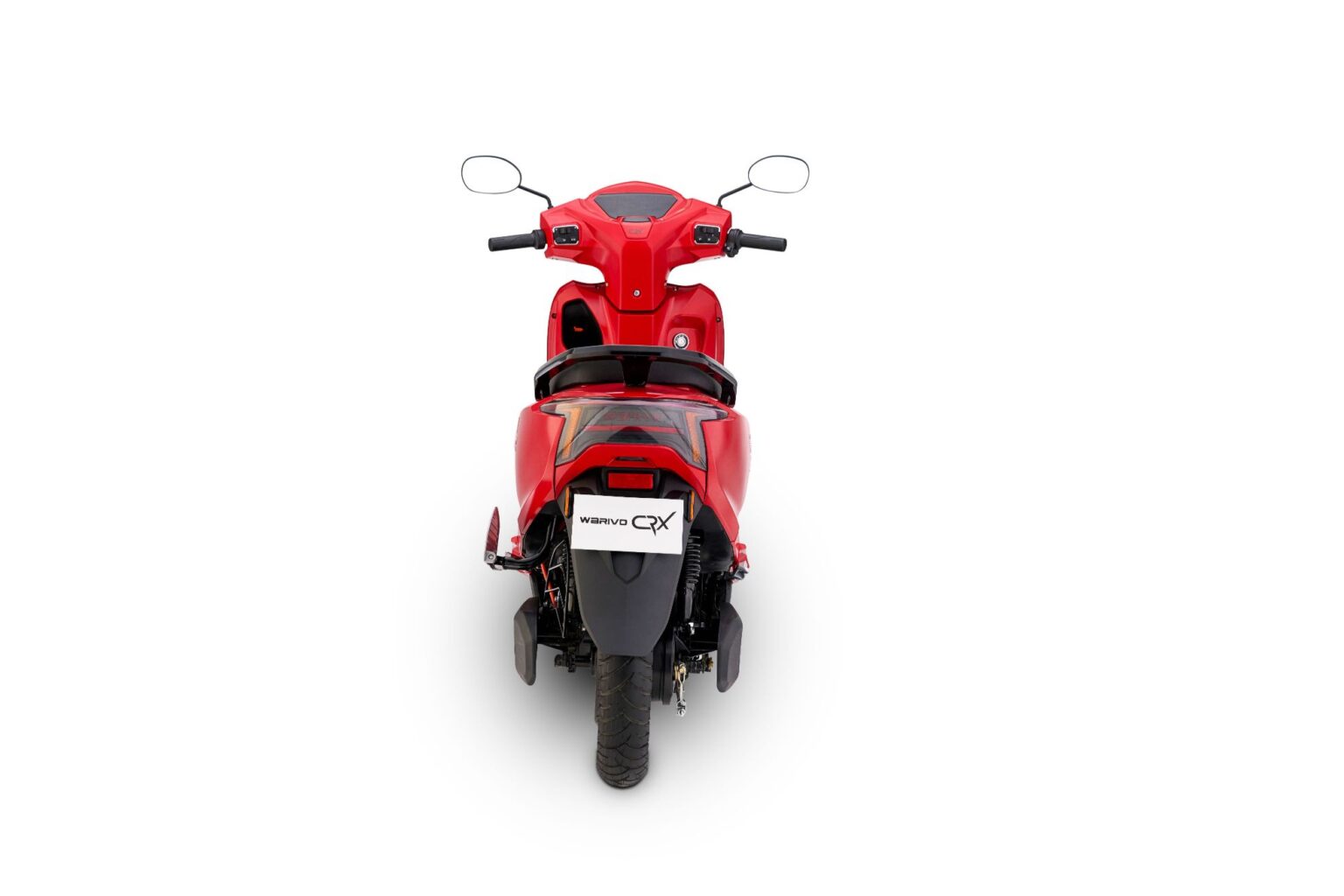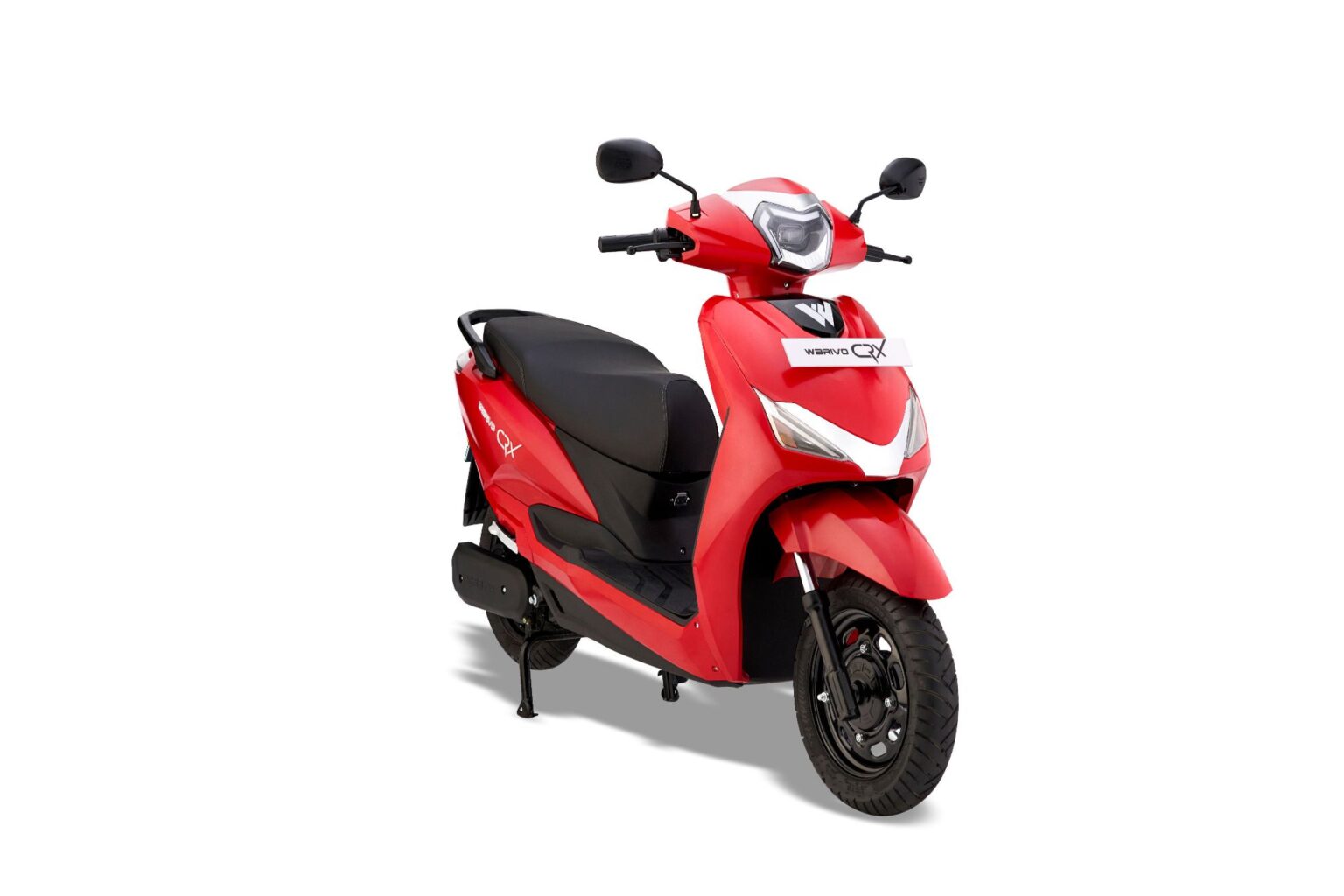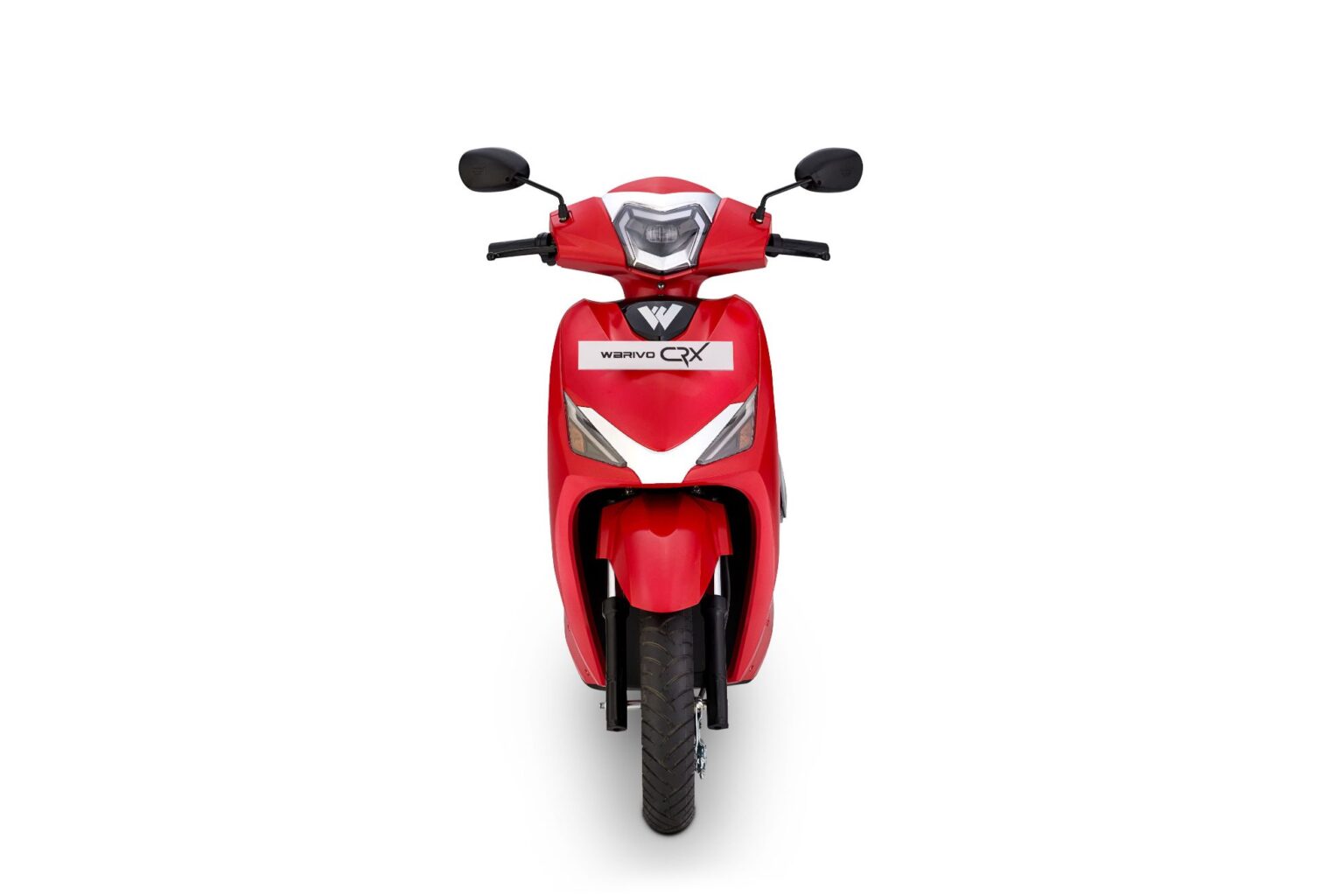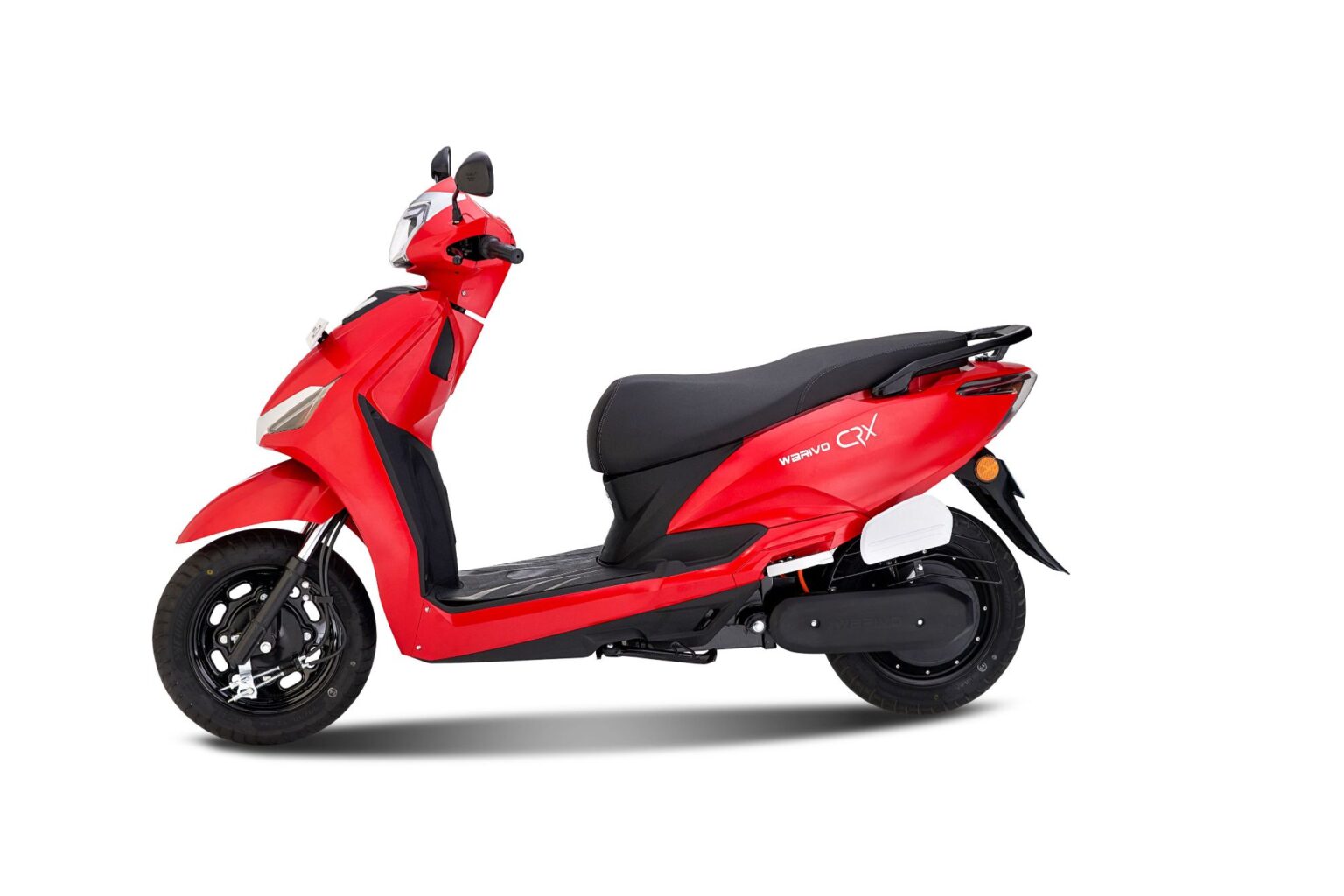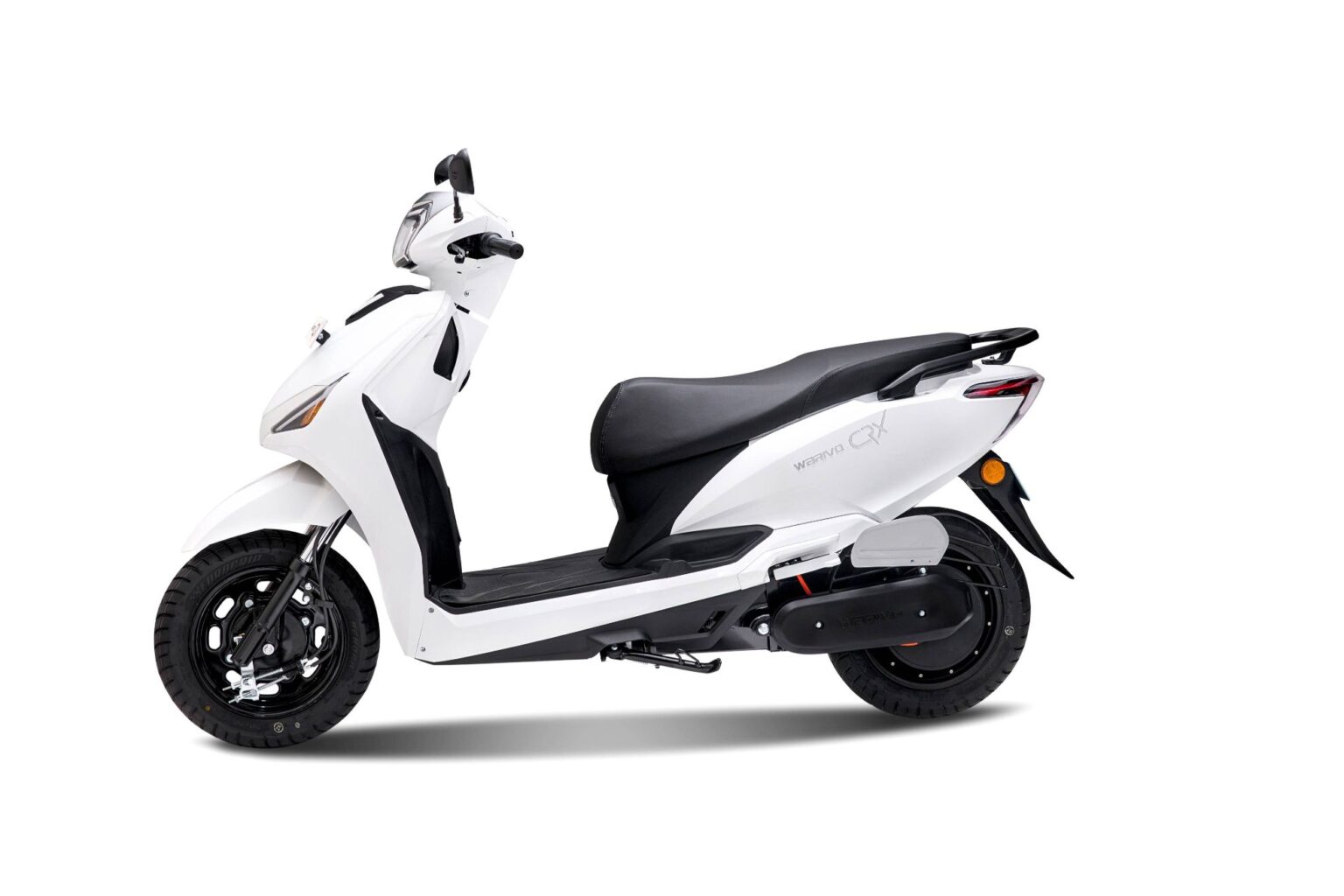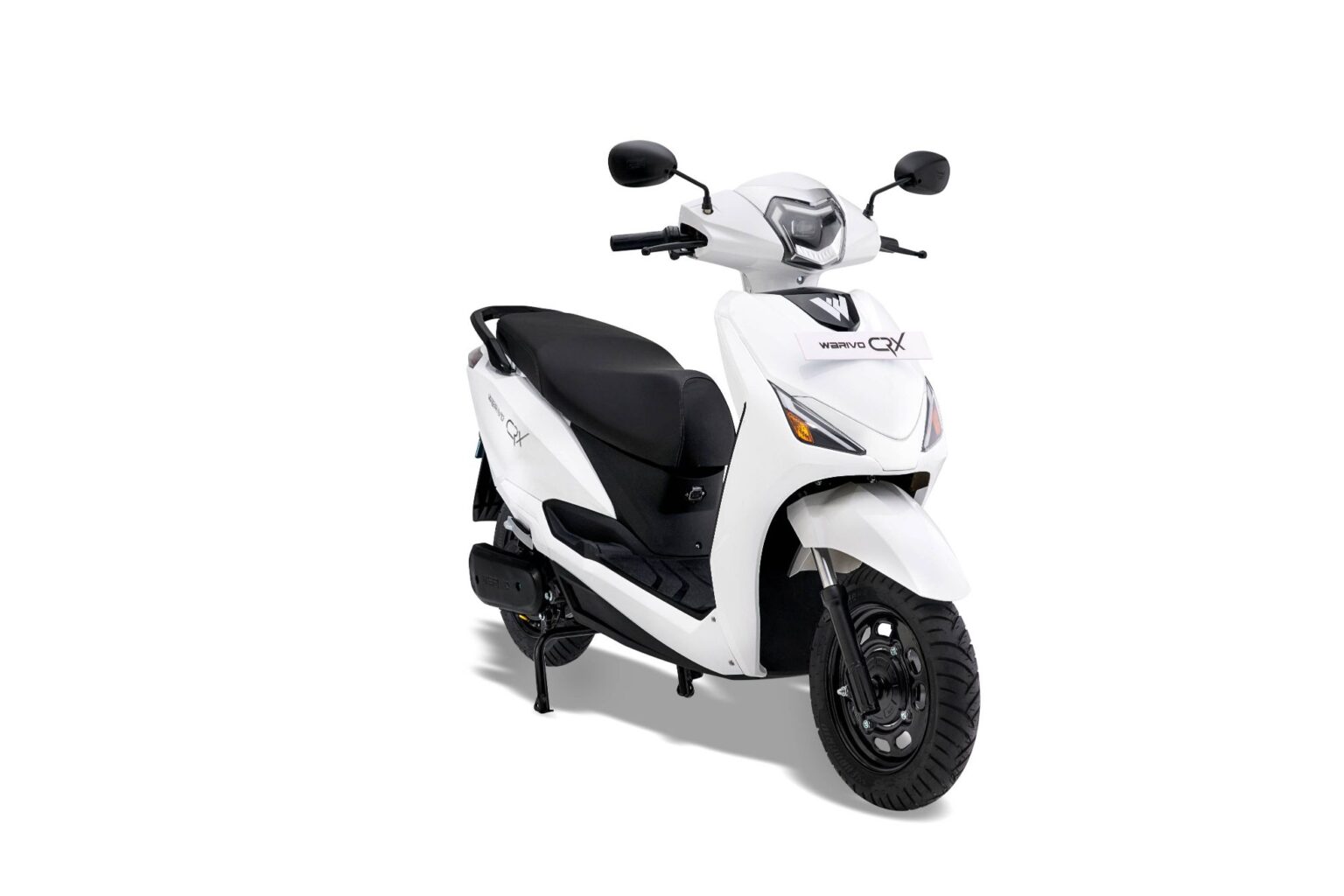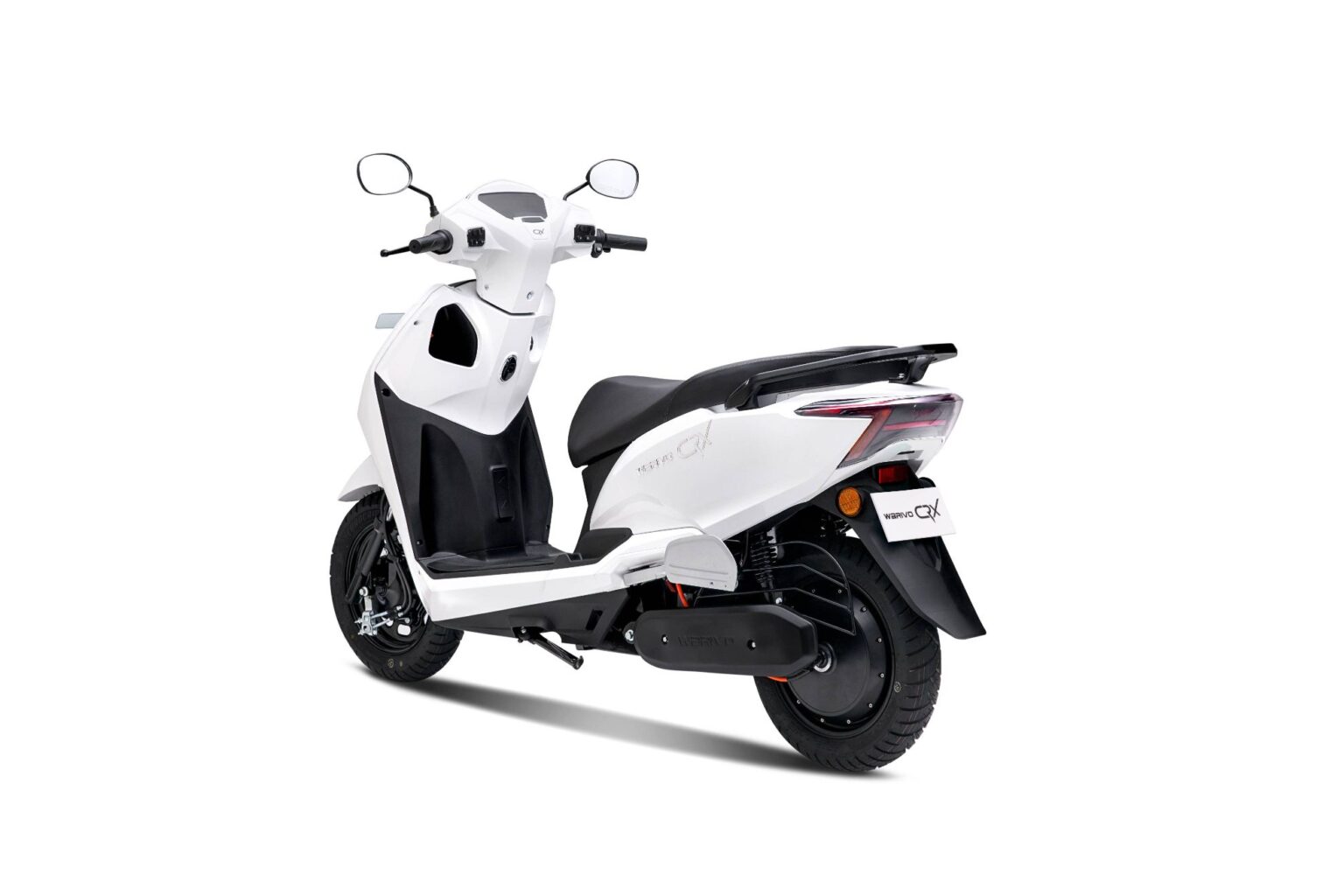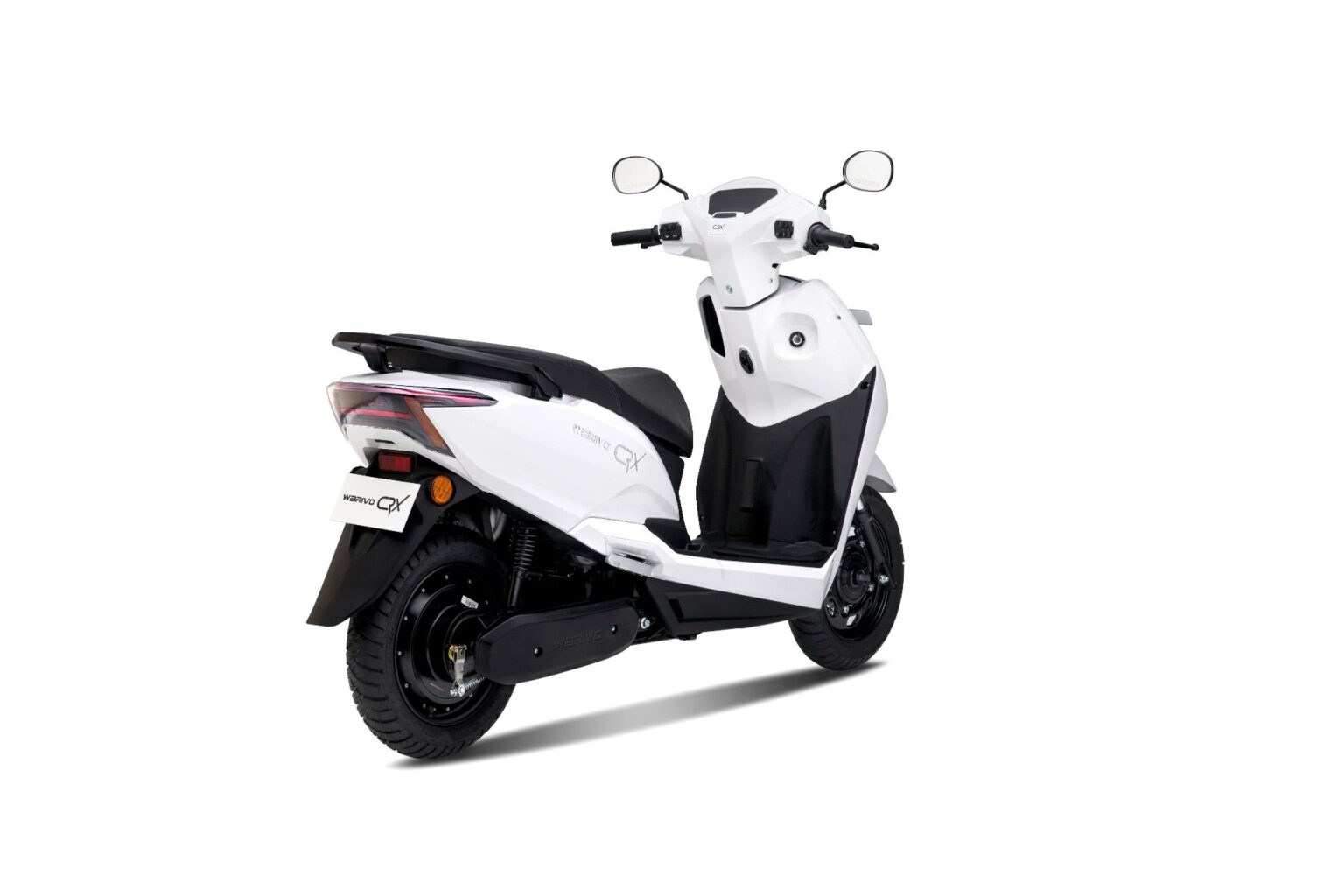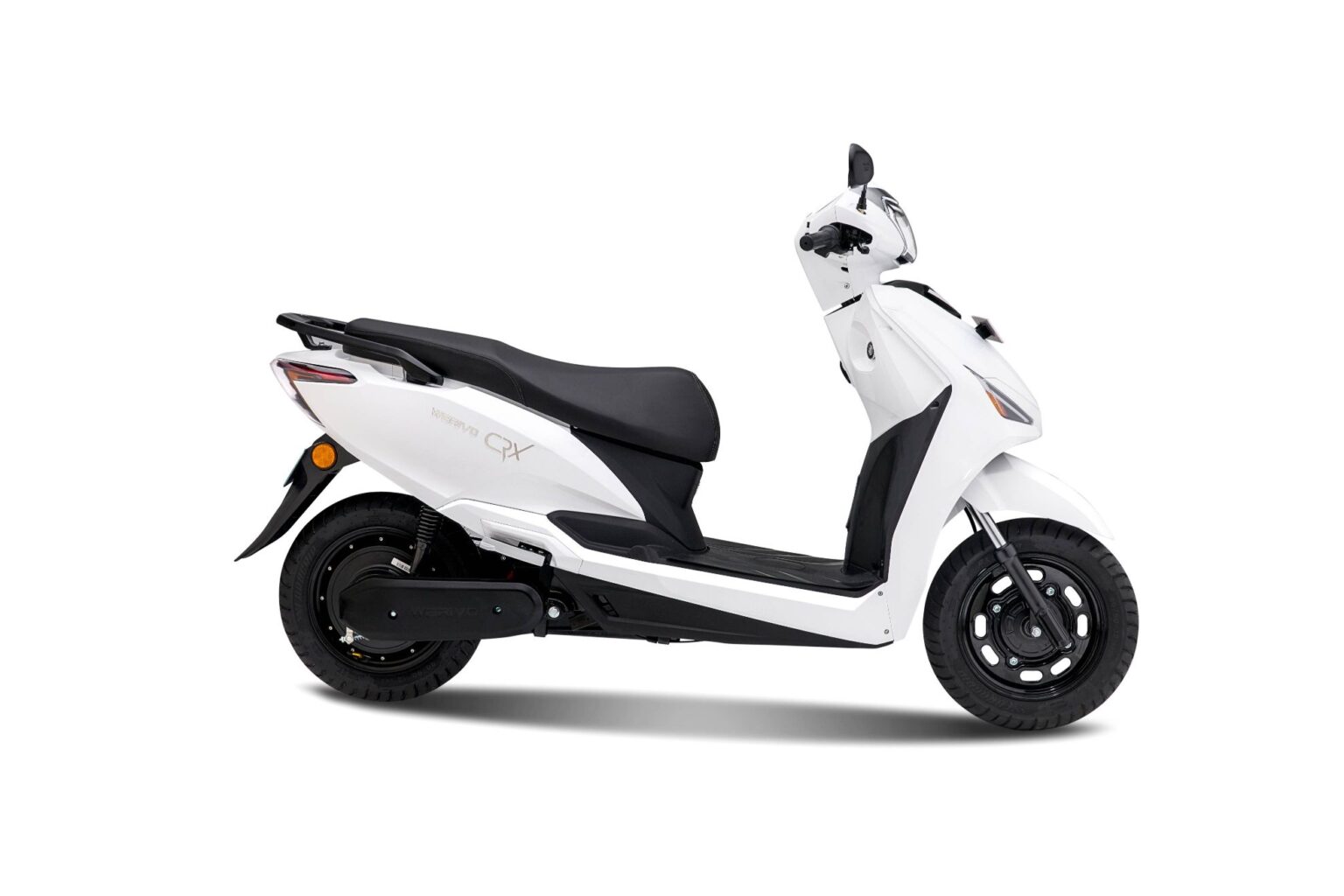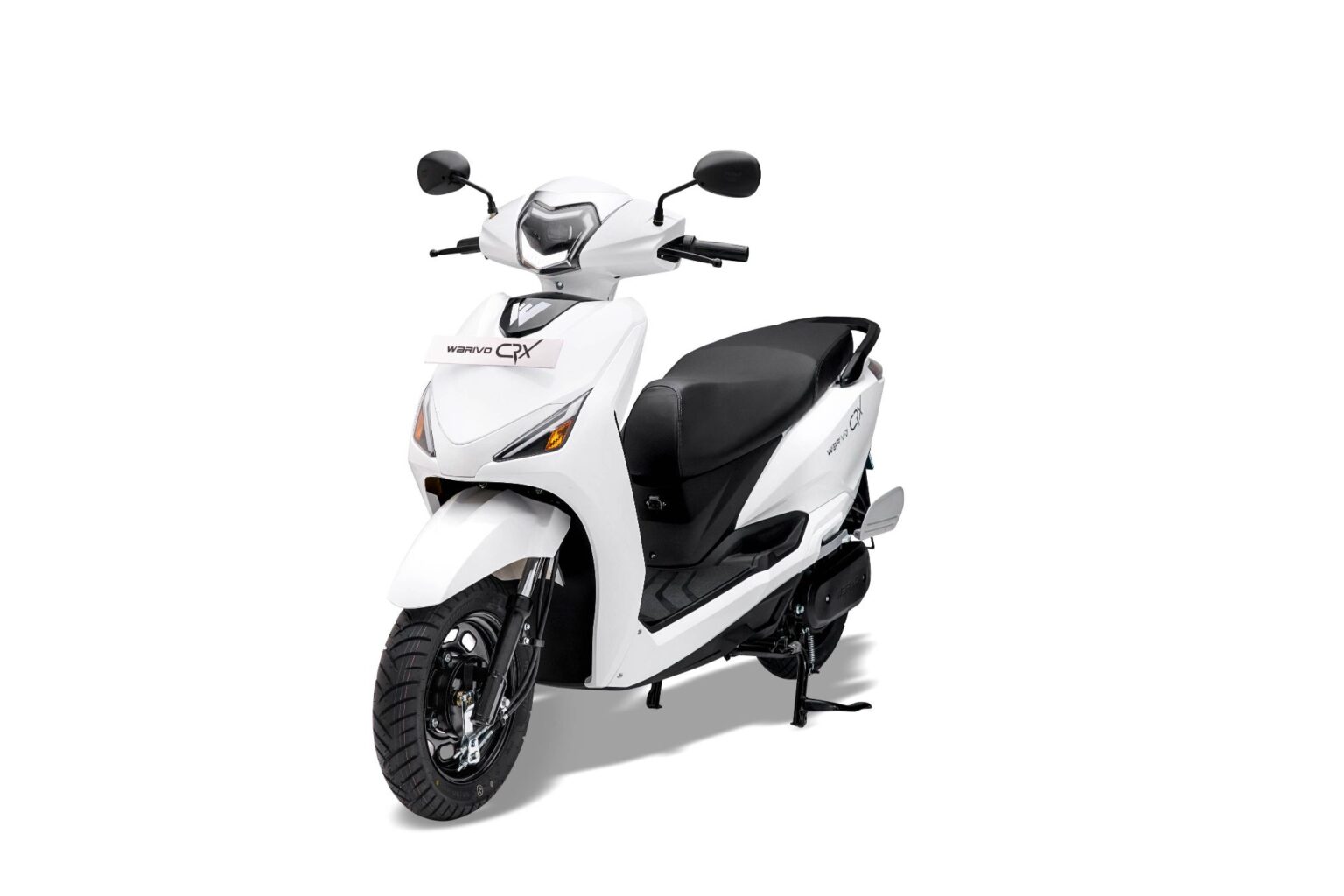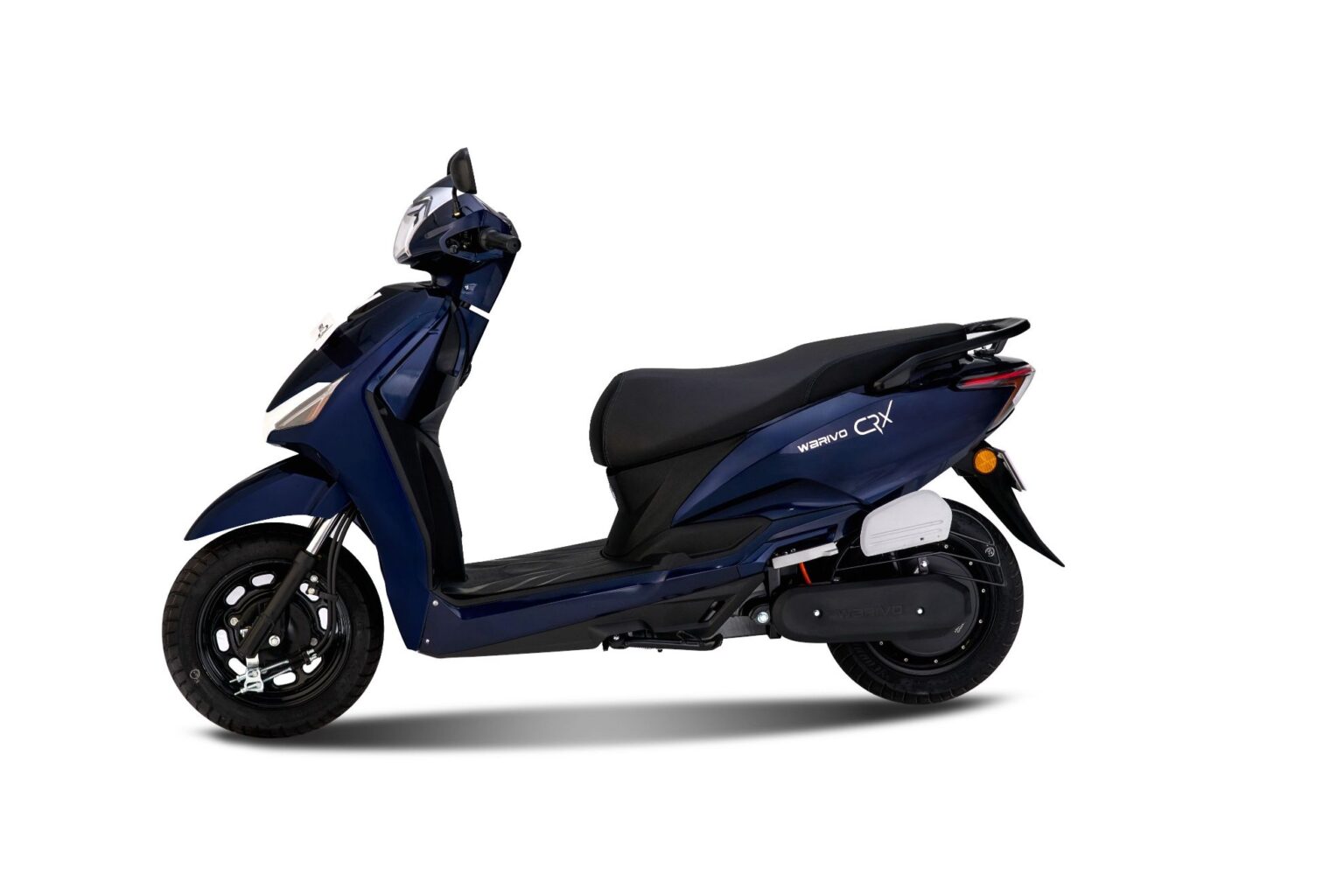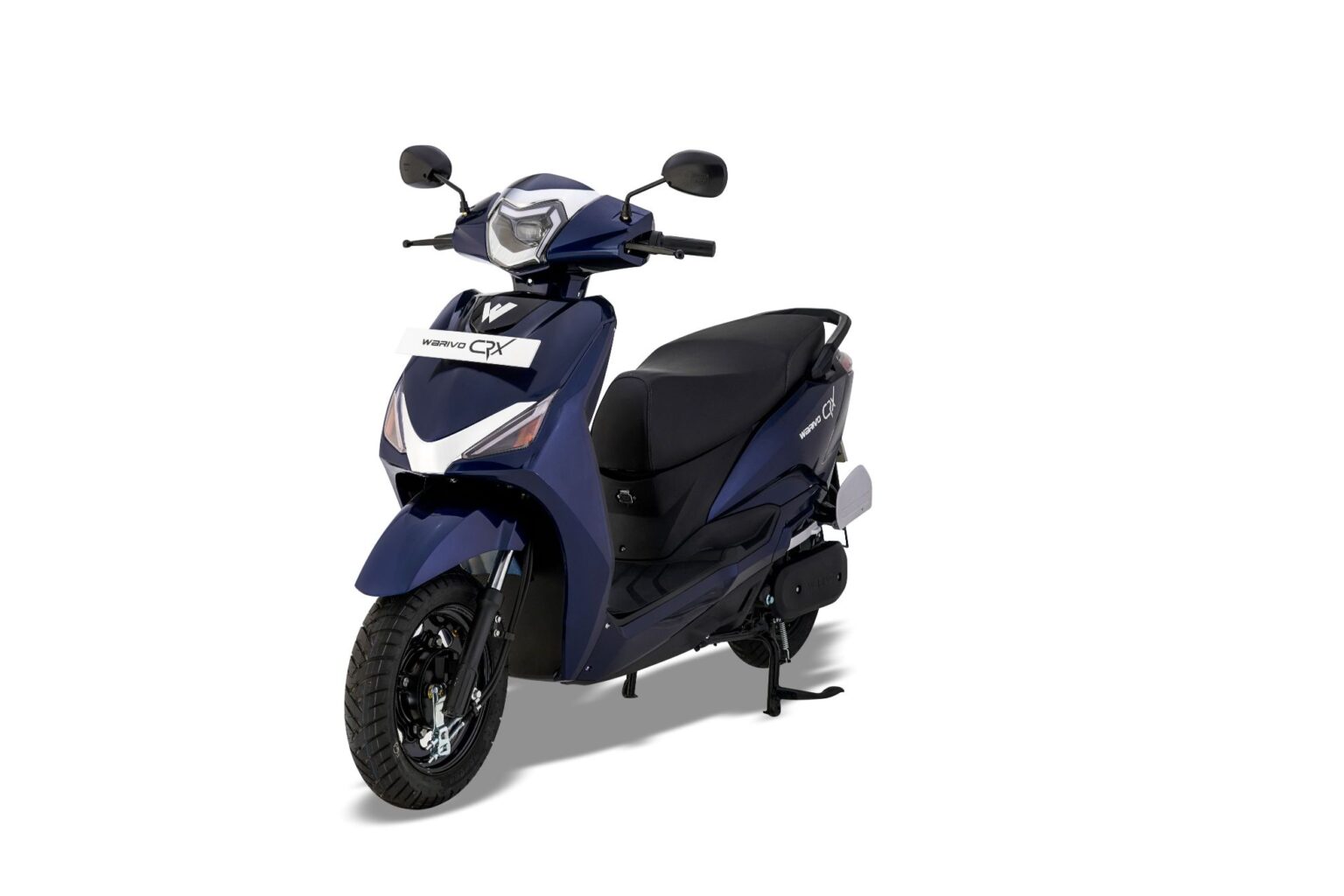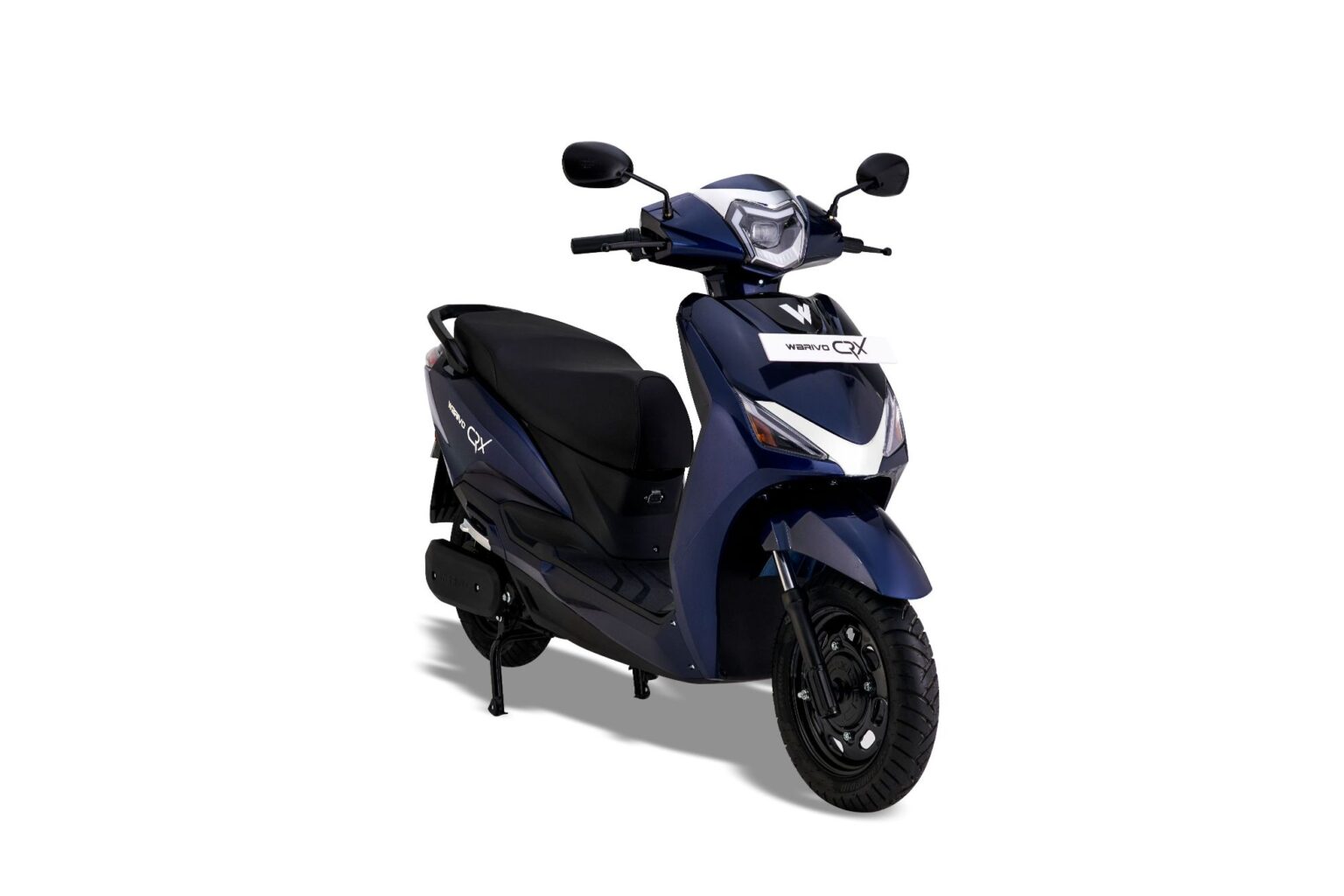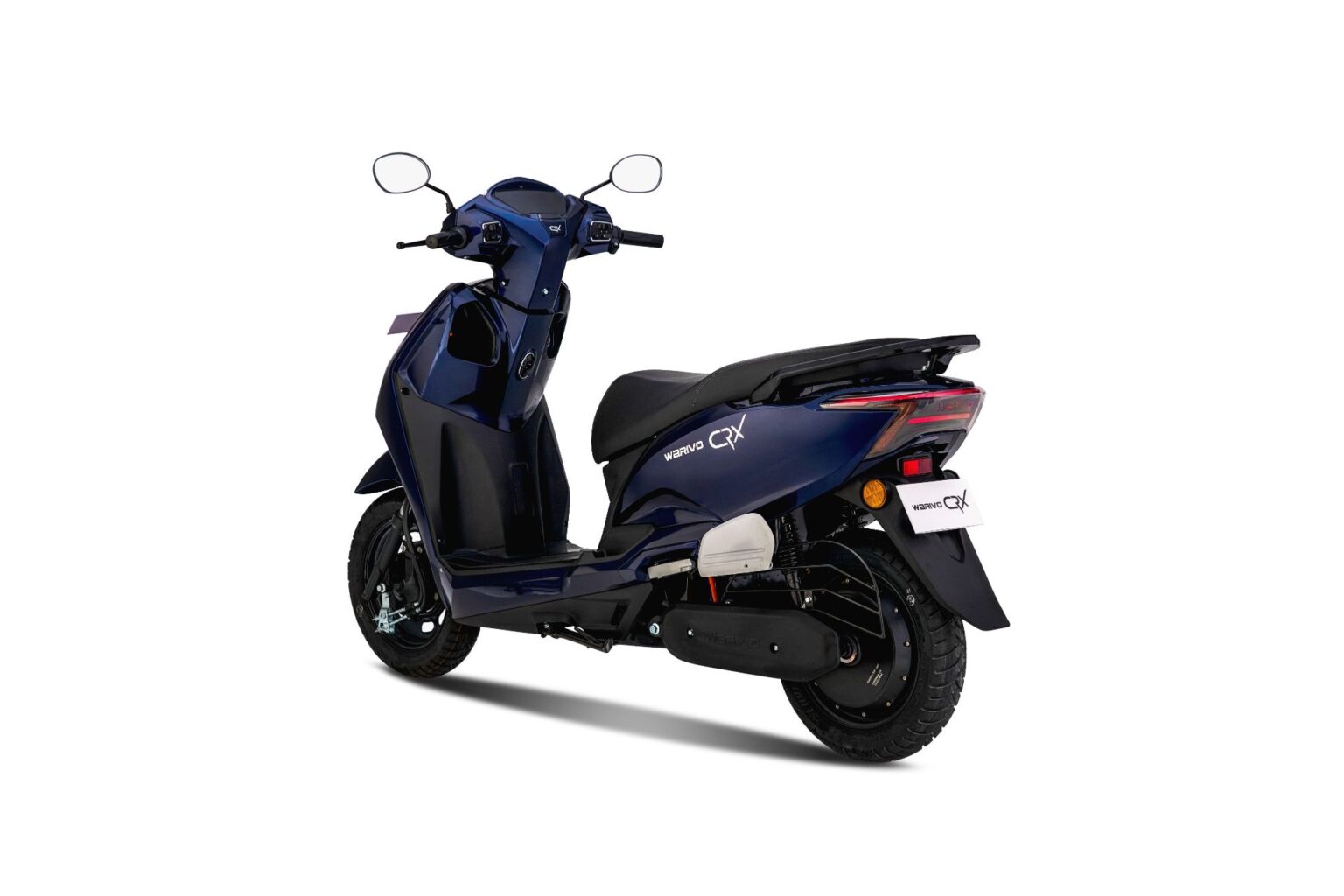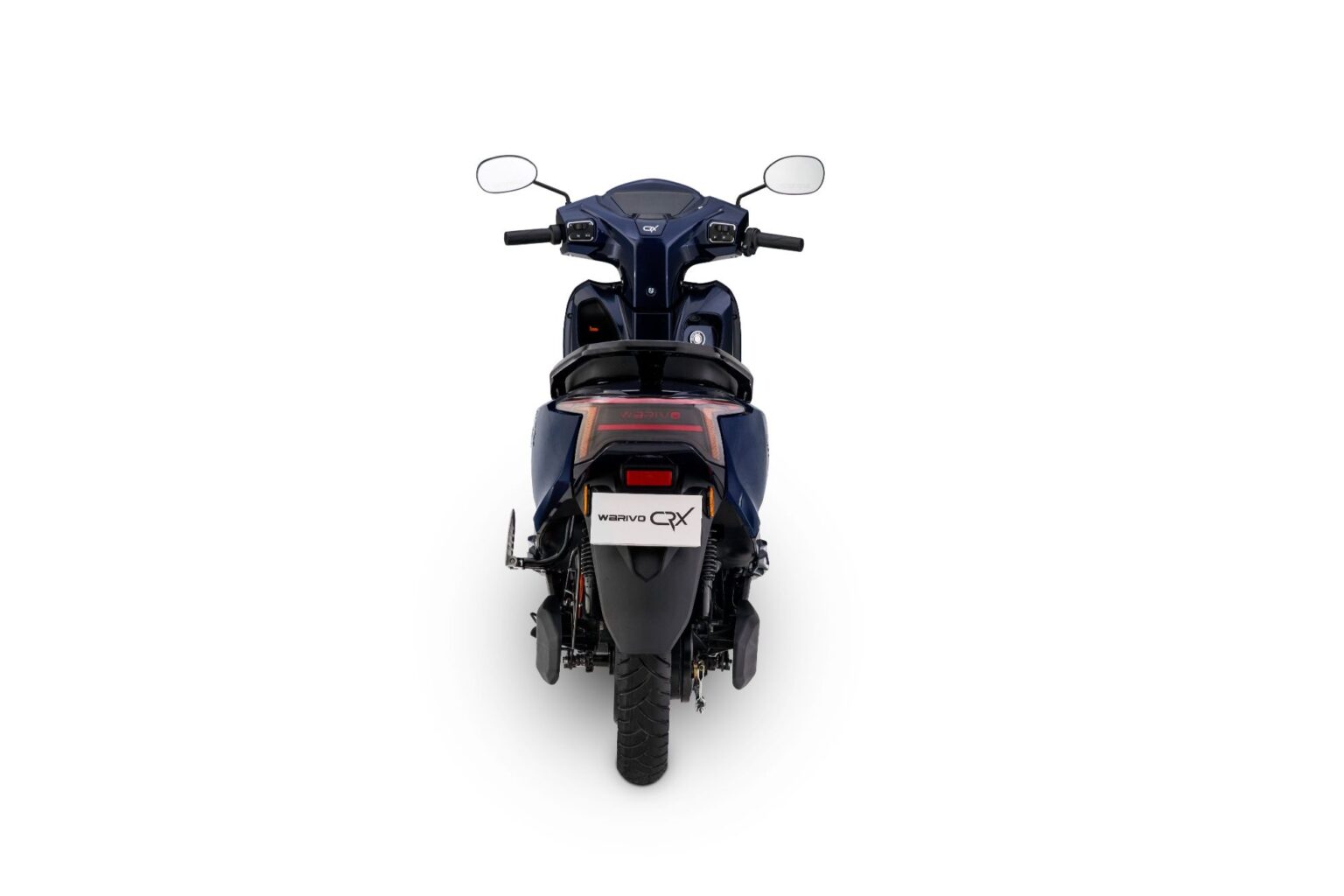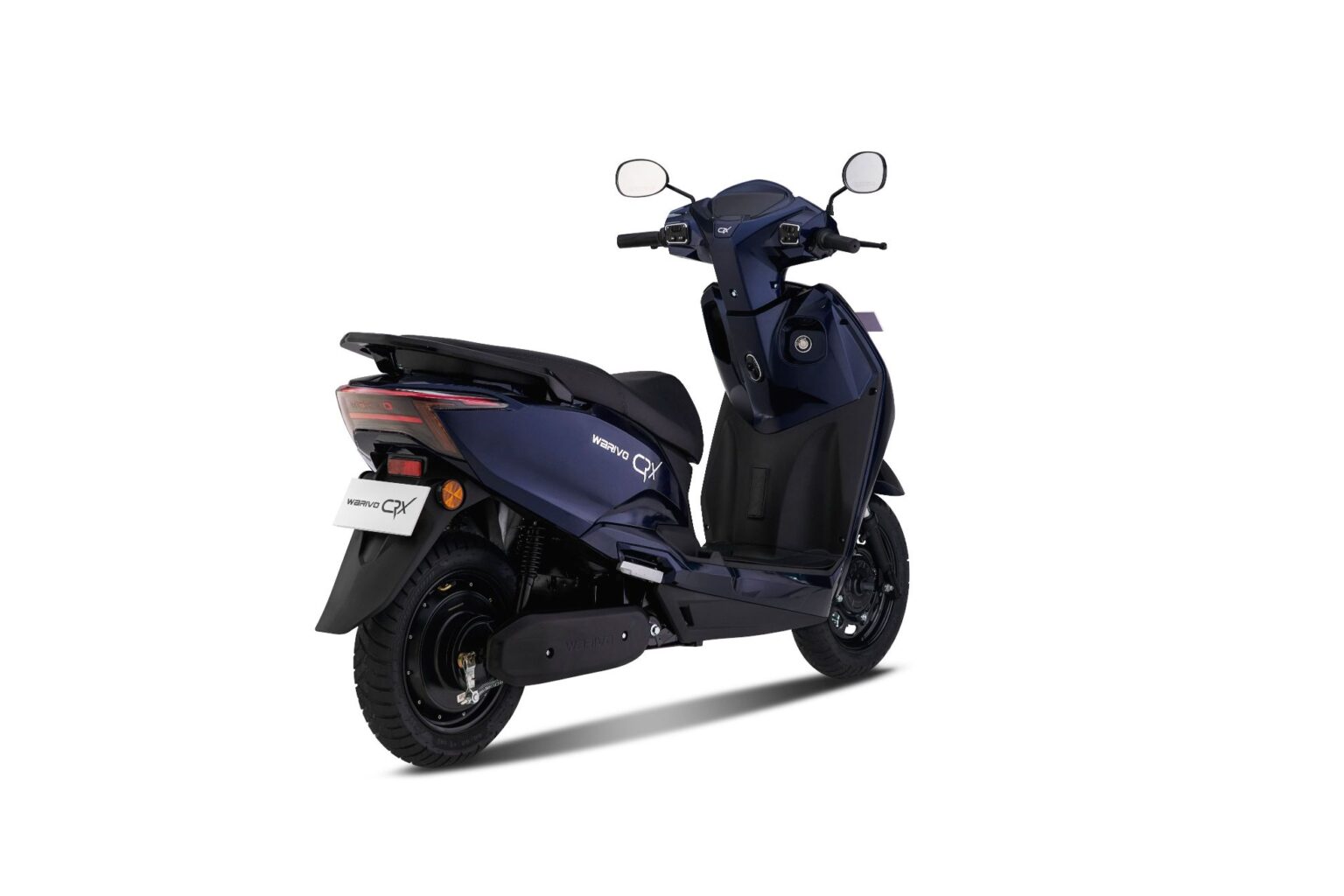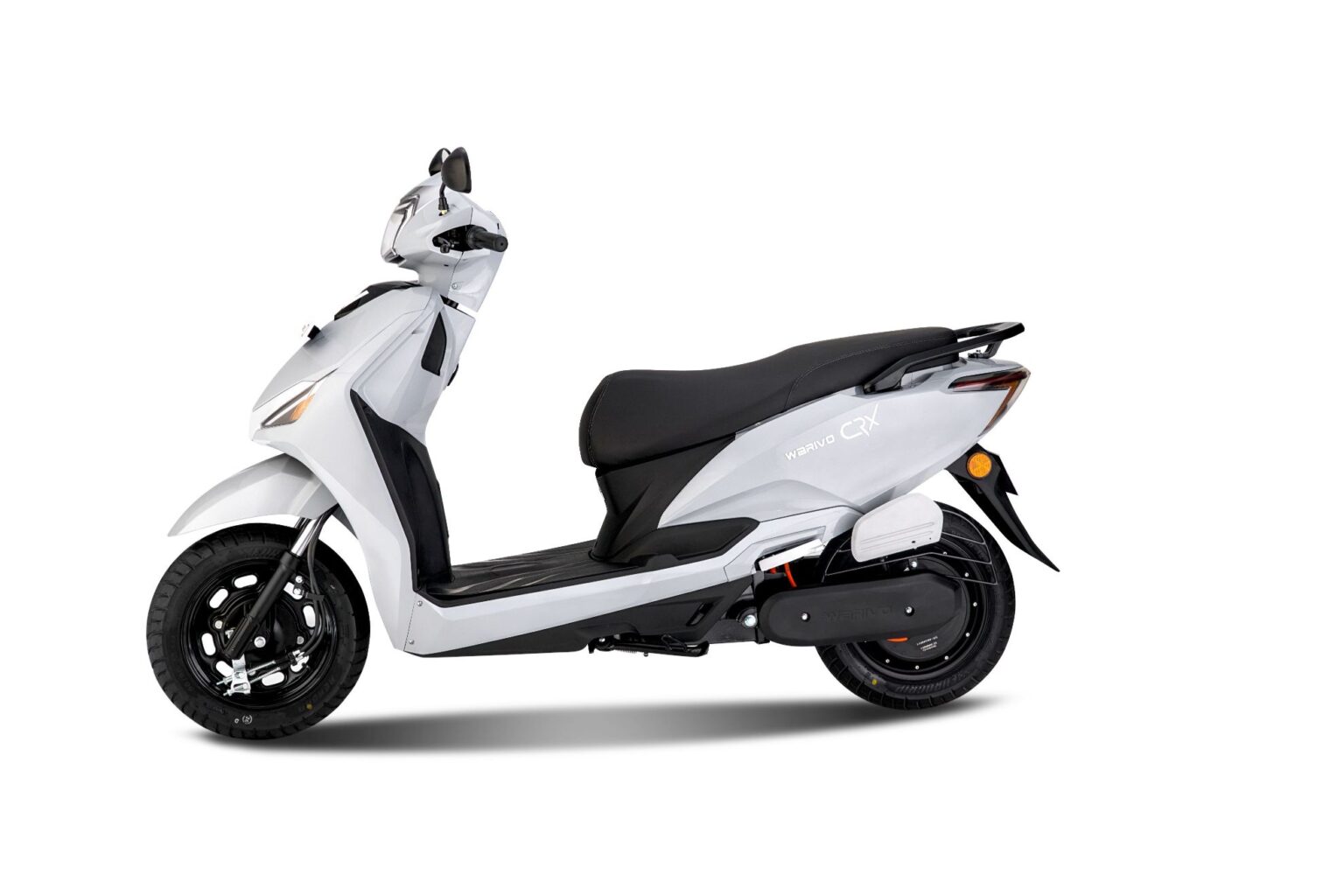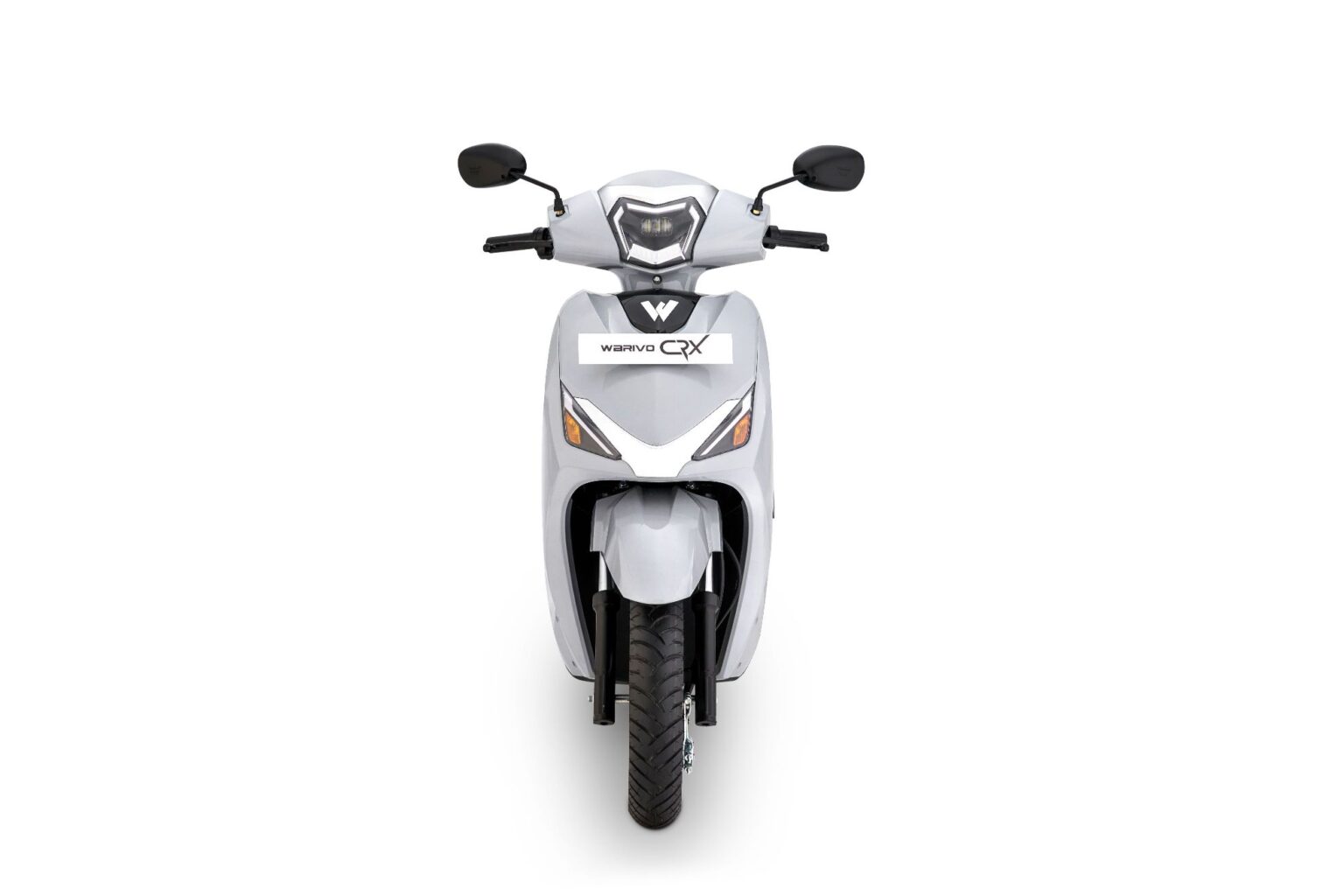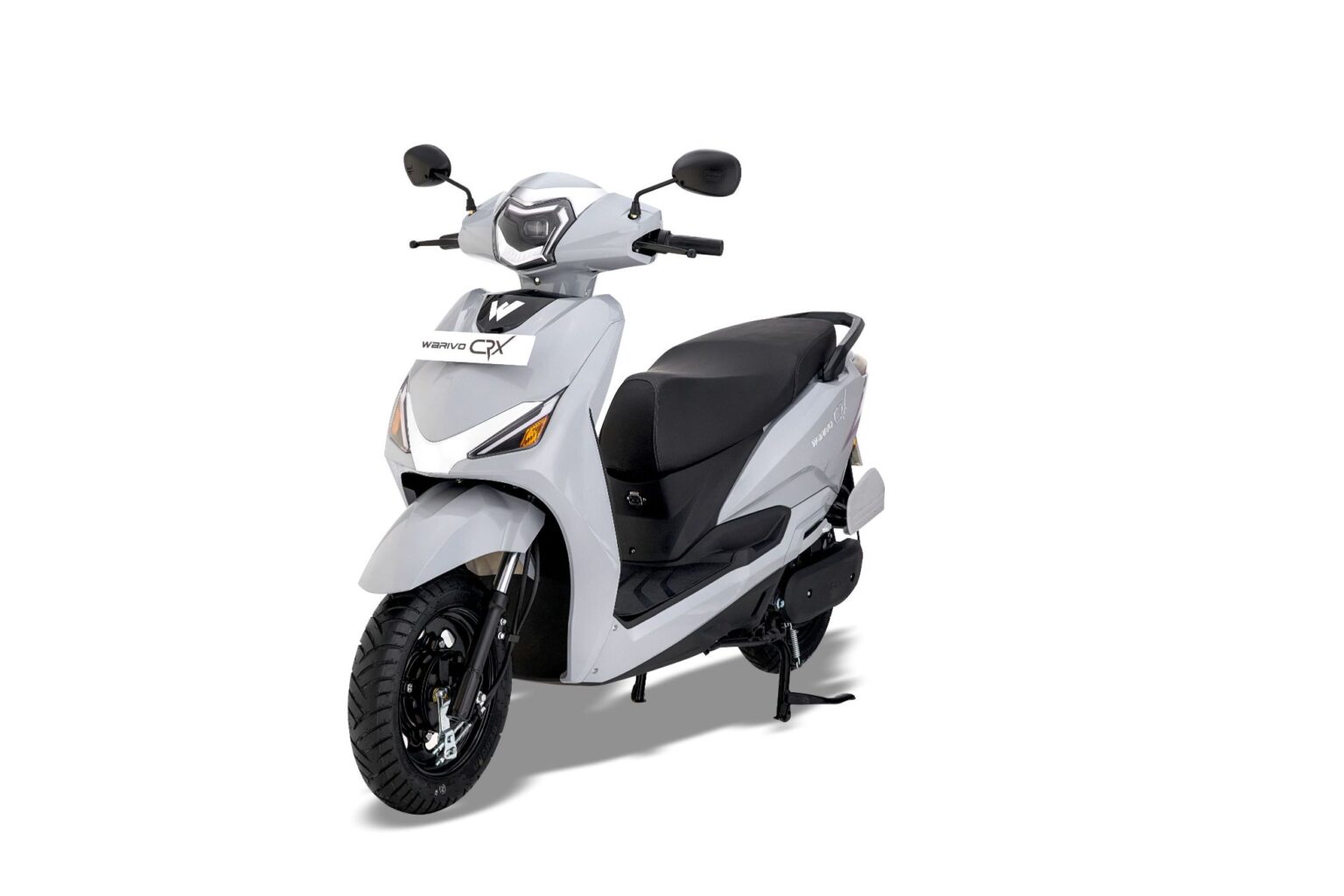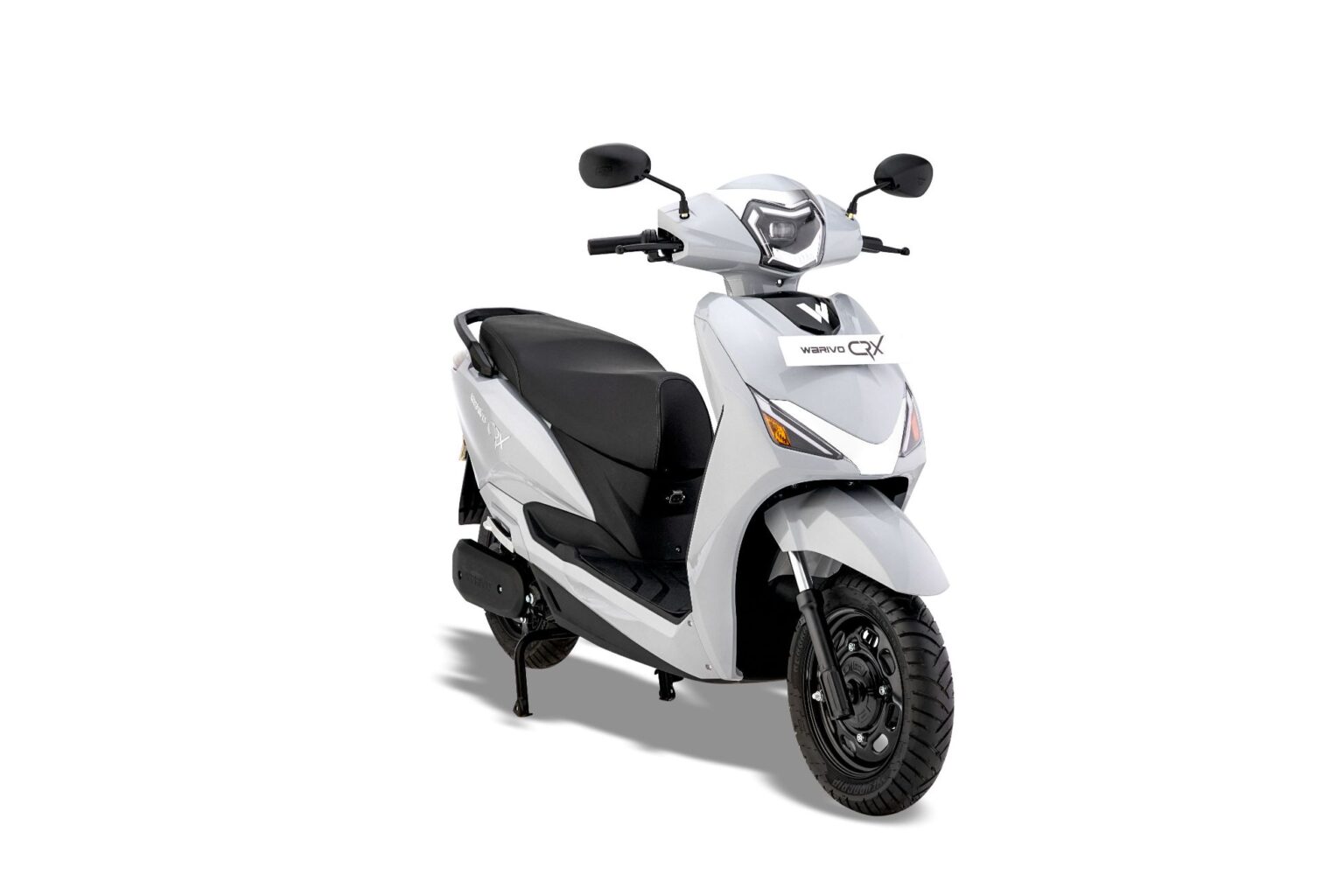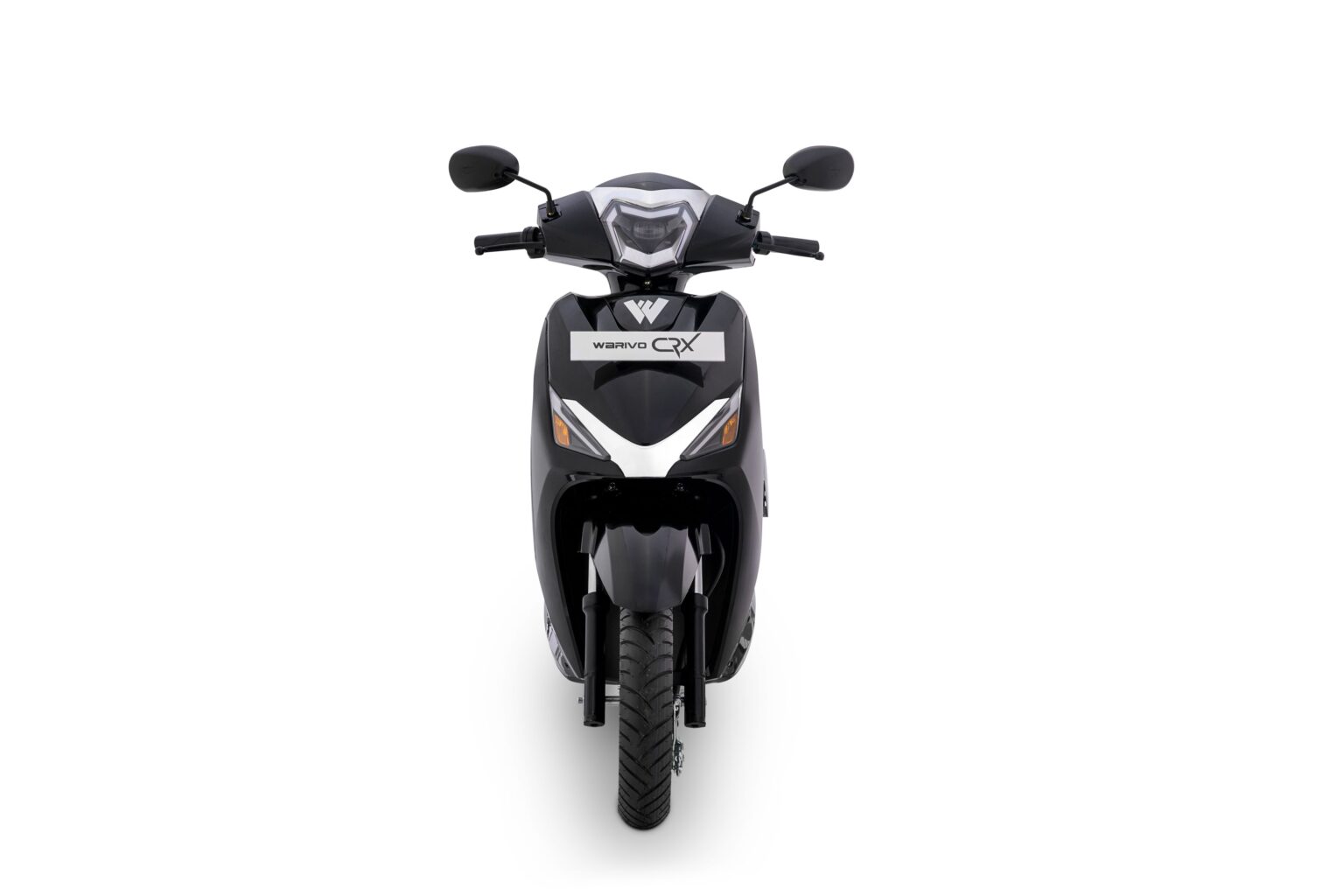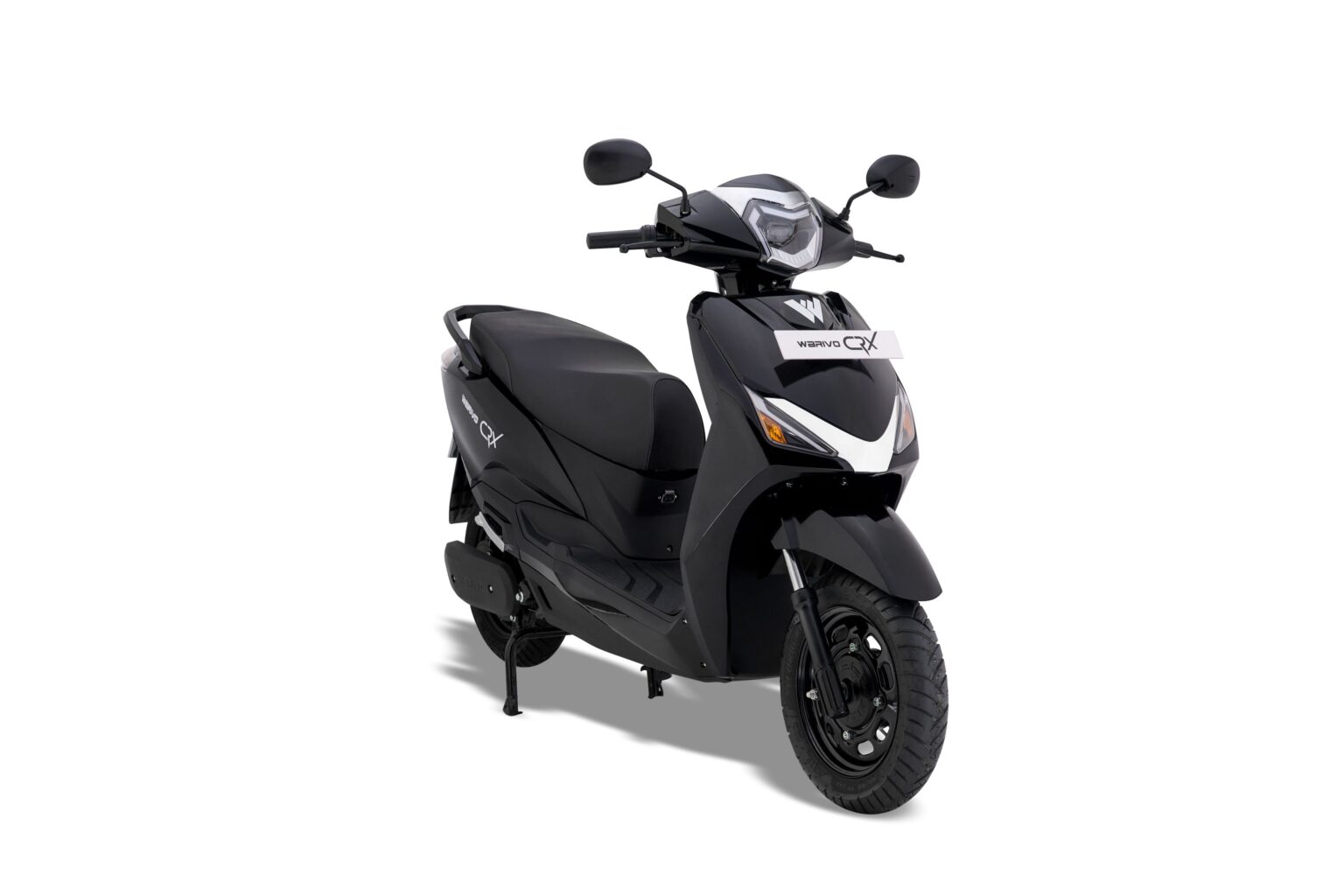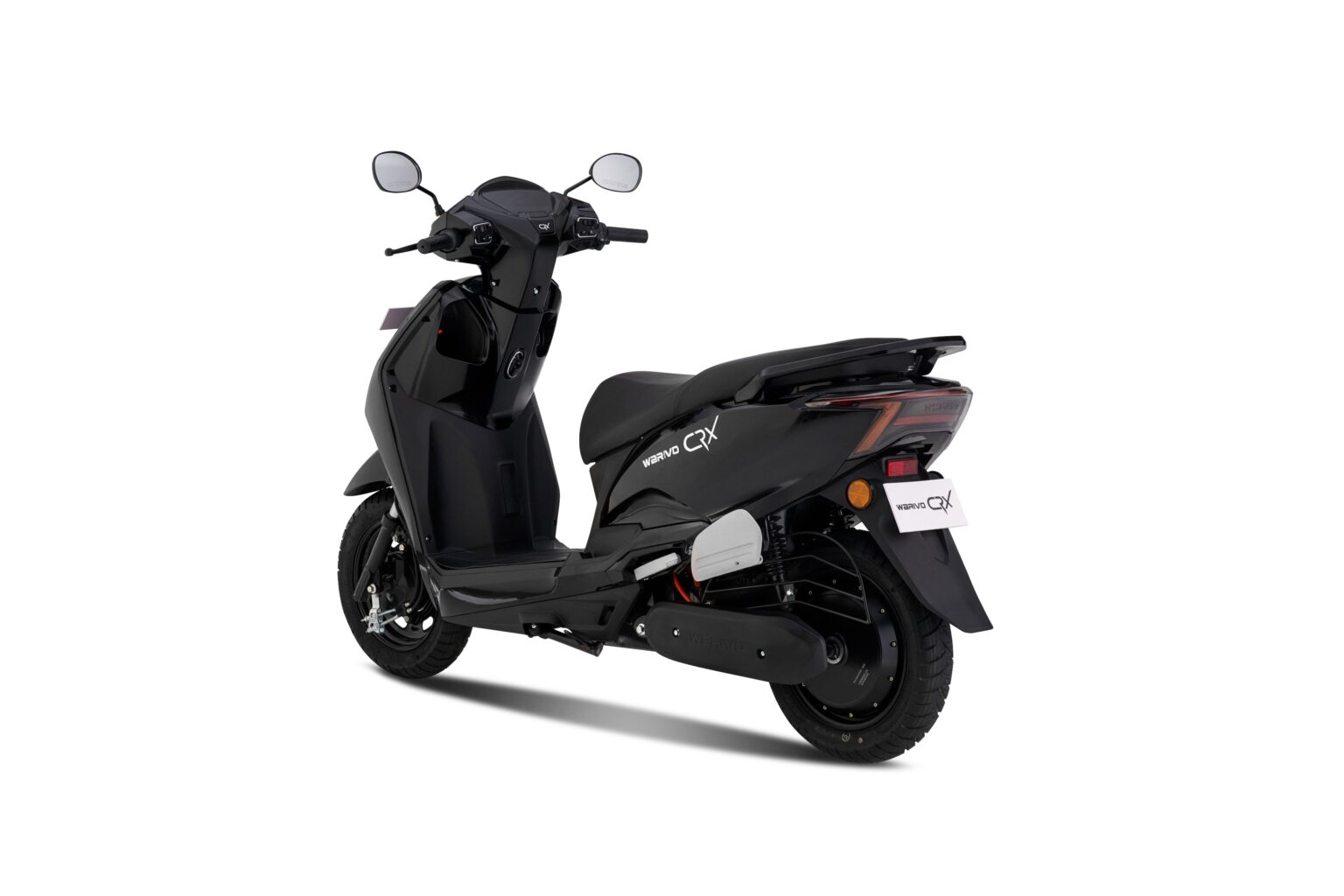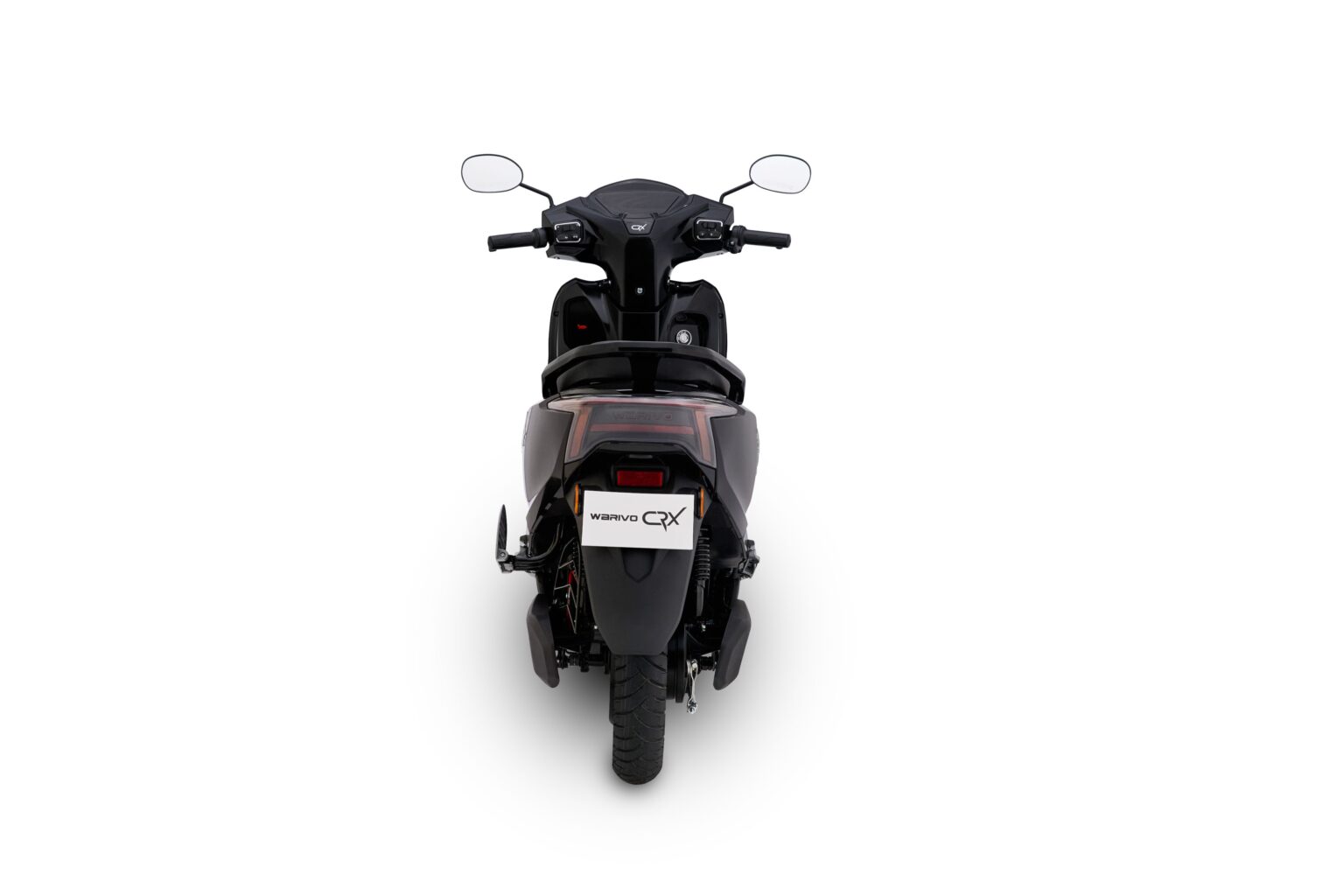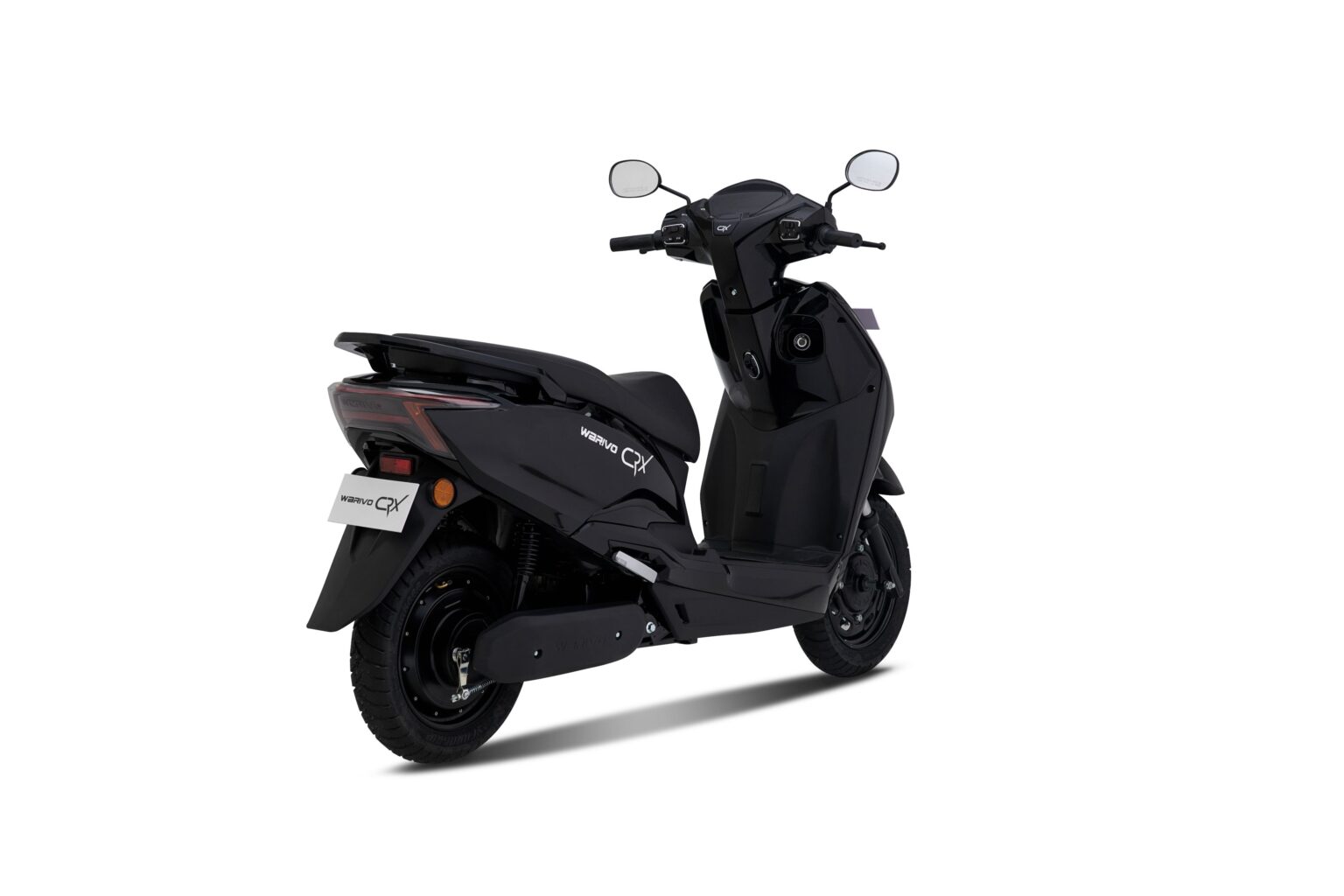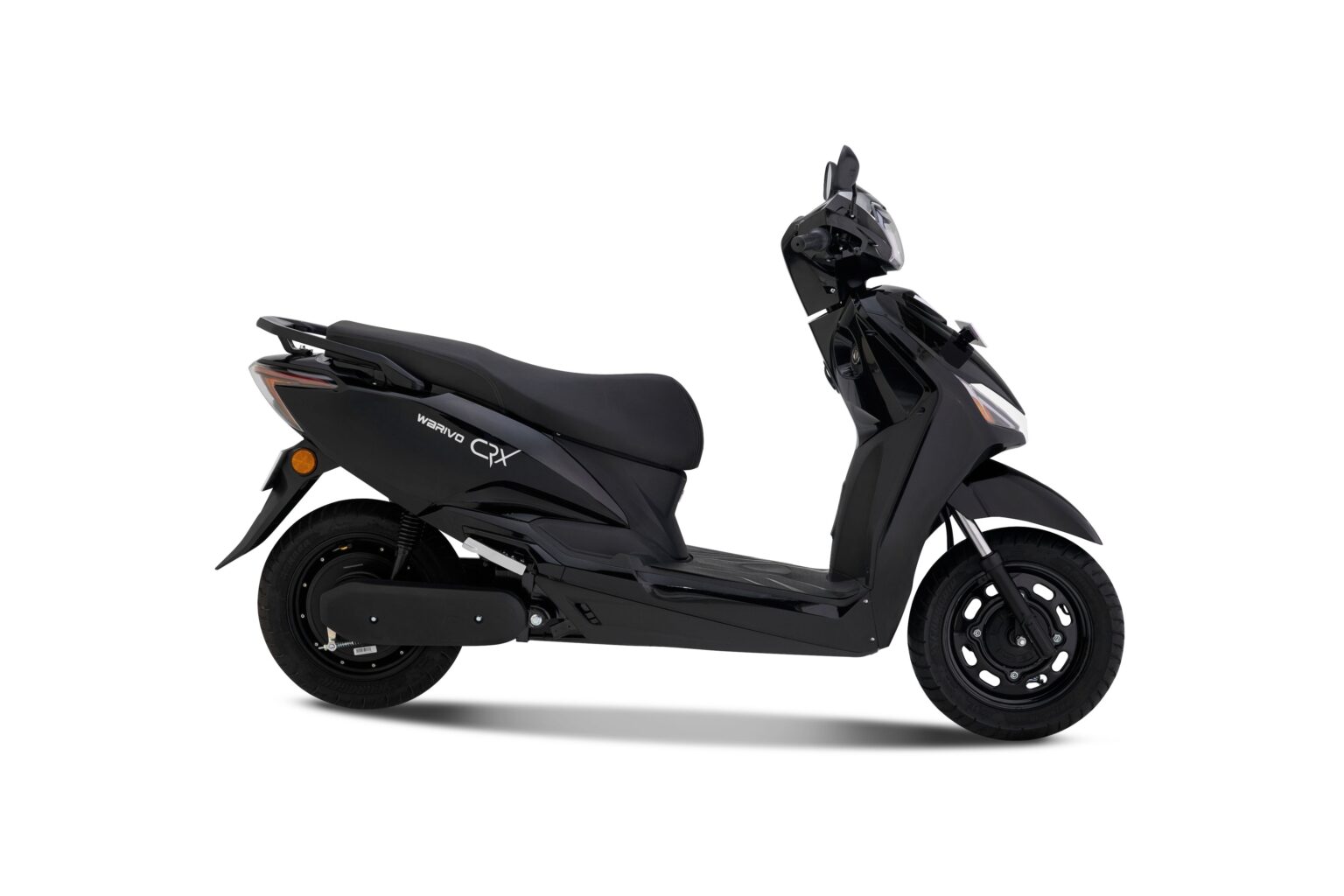
The Rise of Electric Mobility and the Role of SUN Mobility’s Swapping
Network in Delhi NCR
Over the past few years, the logistics and delivery ecosystem in India has gone through a
massive transition. What used to be a sector driven almost entirely by petrol and diesel
two-wheelers is now experiencing a decisive shift toward electric vehicles (EVs). From food
delivery platforms to e-commerce giants to hyperlocal courier services, EV fleets are becoming
the new standard—especially in dense urban regions like Delhi NCR.
What is fueling this change? Why are delivery companies, fleet operators, and individual riders
abandoning conventional scooters and motorbikes to adopt electric? The answer lies in a mix of
economics, efficiency, sustainability, technology, and operational convenience.
Among the many players enabling this transition, one network that stands out in Delhi NCR is
the SUN Mobility Swapping Network—a charging ecosystem built around quick battery
swapping rather than slow plug-in charging. Its impact on delivery fleets is transformative and
serves as a perfect example of why EV adoption is accelerating.
In this blog, we’ll dive deep into the biggest reasons behind this shift, the challenges EV fleets
solve, and how energy-swapping networks like SUN Mobility are shaping the future of last-mile
delivery in India.
1. Dramatically Lower Operating Costs
For delivery companies, margins are everything. Every rupee saved on fuel, maintenance, or
downtime directly increases earnings per order or per rider. This is where EVs deliver a clear
advantage.
Fuel Savings
Electricity—and especially battery swapping—costs significantly less per kilometer than petrol or
diesel. In urban stop-and-go traffic, the difference becomes even more stark. Traditional delivery
fleets spend a huge chunk of their monthly budget on fuel, while EVs run at a fraction of that
cost.
Maintenance Savings
EVs have fewer moving parts. No engine oil, no clutch system, no pollution control components,
fewer mechanical complexities. The result?
● Lower maintenance costs
● Fewer breakdowns
● Longer service intervals
For delivery companies managing hundreds or thousands of vehicles, this can translate into
lakhs of rupees saved annually.
2. Zero Downtime Through Battery Swapping
One of the biggest historical barriers to EV adoption was charging time. Delivery riders cannot
afford to wait 3–4 hours for their vehicle to charge. Their earnings are tied to the number of
deliveries they complete, not the time their scooter spends parked.
This is where the SUN Mobility Swapping Network (Delhi NCR) becomes a game changer.
Instant Energy Refill
With swapping stations located across Delhi NCR, riders simply:
- Pull into a swapping point
2. Exchange their depleted battery
3. Take a fully charged one
—all in under 2 minutes.
This eliminates the concept of charging downtime entirely.
Benefits for Delivery Fleets
● Riders stay on the road longer
● More deliveries in the same amount of time
● Predictable operating patterns
● No need for depot-level charging infrastructure
● No long queues at charging stations
Battery swapping is quickly becoming the preferred model for high-utilization vehicles,
especially in quick commerce, hyperlocal delivery, and e-commerce logistics.
3. Flexibility and Scalability for Fleet Operators
Delivery companies need reliability and scalability. As demand grows, fleets must grow without
creating operational bottlenecks.
EV Fleets Scale Better Than ICE Fleets
● No dependence on fuel availability
● No variations in monthly expenses due to fluctuating petrol prices
● Batteries-as-a-service eliminates high upfront battery costs
● Swapping infrastructure grows with network demand
In a city like Delhi NCR, where consumption and delivery density are extremely high, swapping
networks offer the kind of scalability necessary to meet ever-increasing delivery volumes.
4. Increased Earnings for Riders
For gig-economy delivery riders, every minute matters. EVs with swapping increase both
productivity and income:
More Deliveries Per Hour
Zero downtime means riders spend more hours on the road actually delivering—not waiting at a
charging station.
Lower Daily Running Costs
When the cost per km goes down, the rider’s take-home income goes up.
Predictable Monthly Cost
Some EV plans offer fixed monthly subscription costs that cover:
● Vehicle
● Battery swaps
● Maintenance
● Warranty
This turns unpredictability into certainty—something riders value immensely.
In Delhi NCR, EV adoption among delivery riders has surged because it directly impacts their
daily earnings.
5. Environmental Responsibility Meets Business Logic
While cost savings are a major driver, companies are also increasingly aware of their carbon
footprint.
EVs Help Delivery Companies Meet Sustainability Goals
● Reduced CO₂ emissions
● Cleaner air in cities
● Improved ESG (Environmental, Social, Governance) compliance
● Positive brand reputation
Consumers today are more conscious than ever, and many prefer brands that demonstrate
genuine environmental responsibility.
Government Push and Incentives
Delhi NCR benefits from:
● State EV policies
● Purchase incentives
● Lower registration fees
● Reduced road tax for EVs
● Preferential access to low-emission zones
All of this makes EV adoption even more attractive.
6.Battery Swapping Solves Key Urban Delivery
Challenges
Urban delivery isn’t easy. High stops, dense traffic, long hours, and unpredictable routes require
a tough, reliable, and efficient solution.
Swapping Overcomes:
● Long charging times
● Range anxiety
● Charger availability issues
● High battery costs
● Performance degradation over time
With swapping networks like SUN Mobility in Delhi NCR, fleets don’t worry about battery aging,
performance loss, or replacement costs. The responsibility for the battery lies with the swapping
provider, not the fleet operator.
7. Better Performance for Last-Mile Logistics
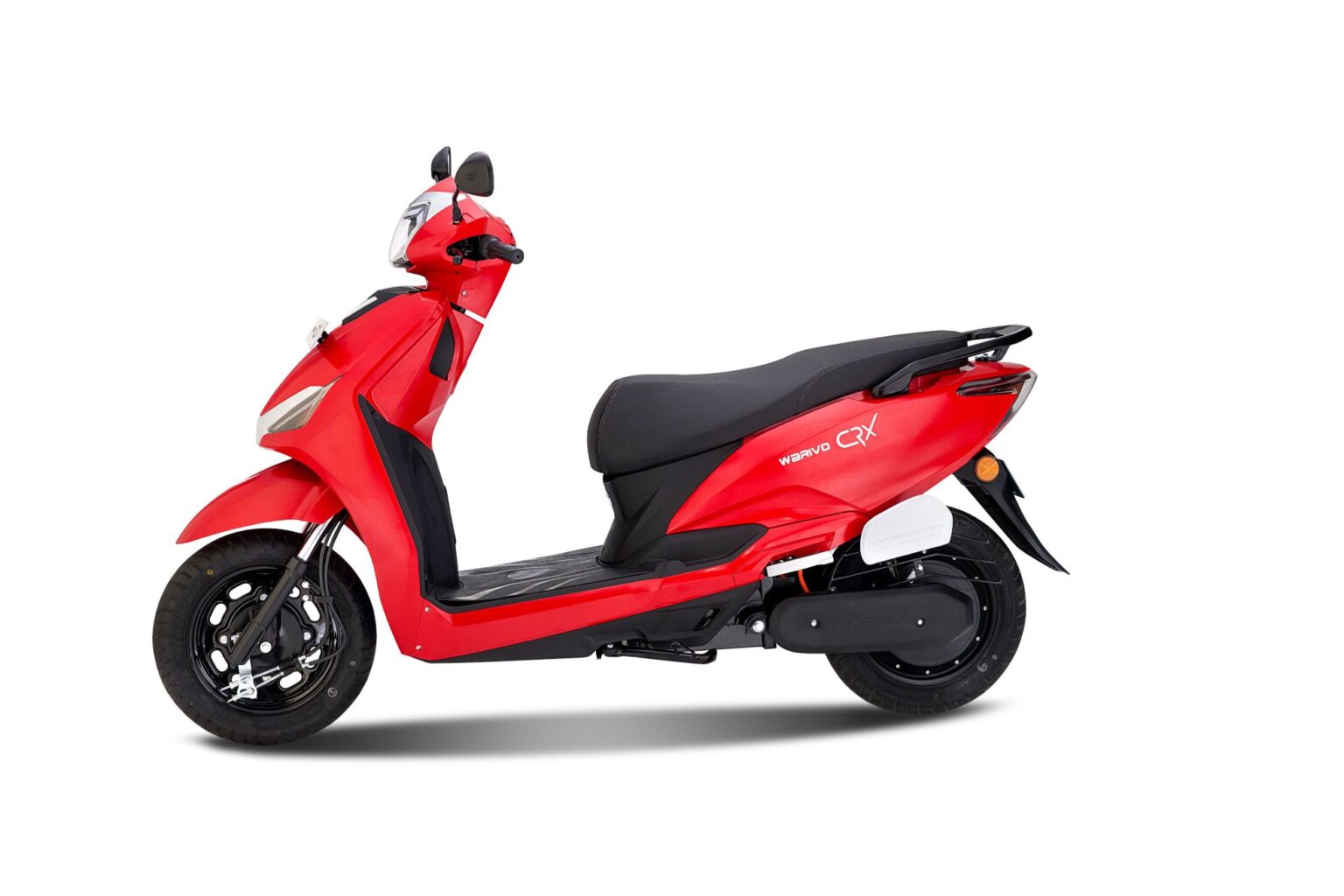
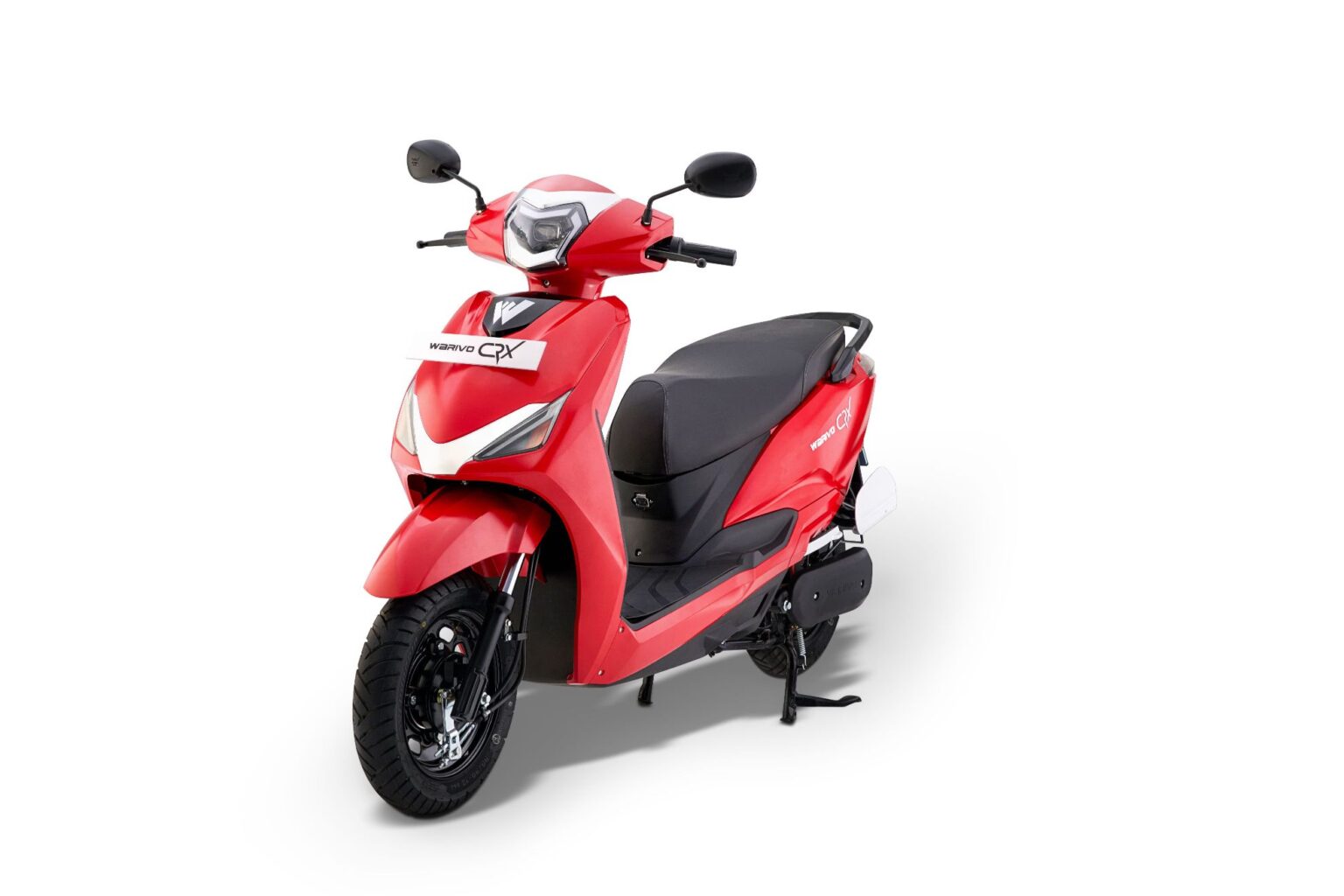
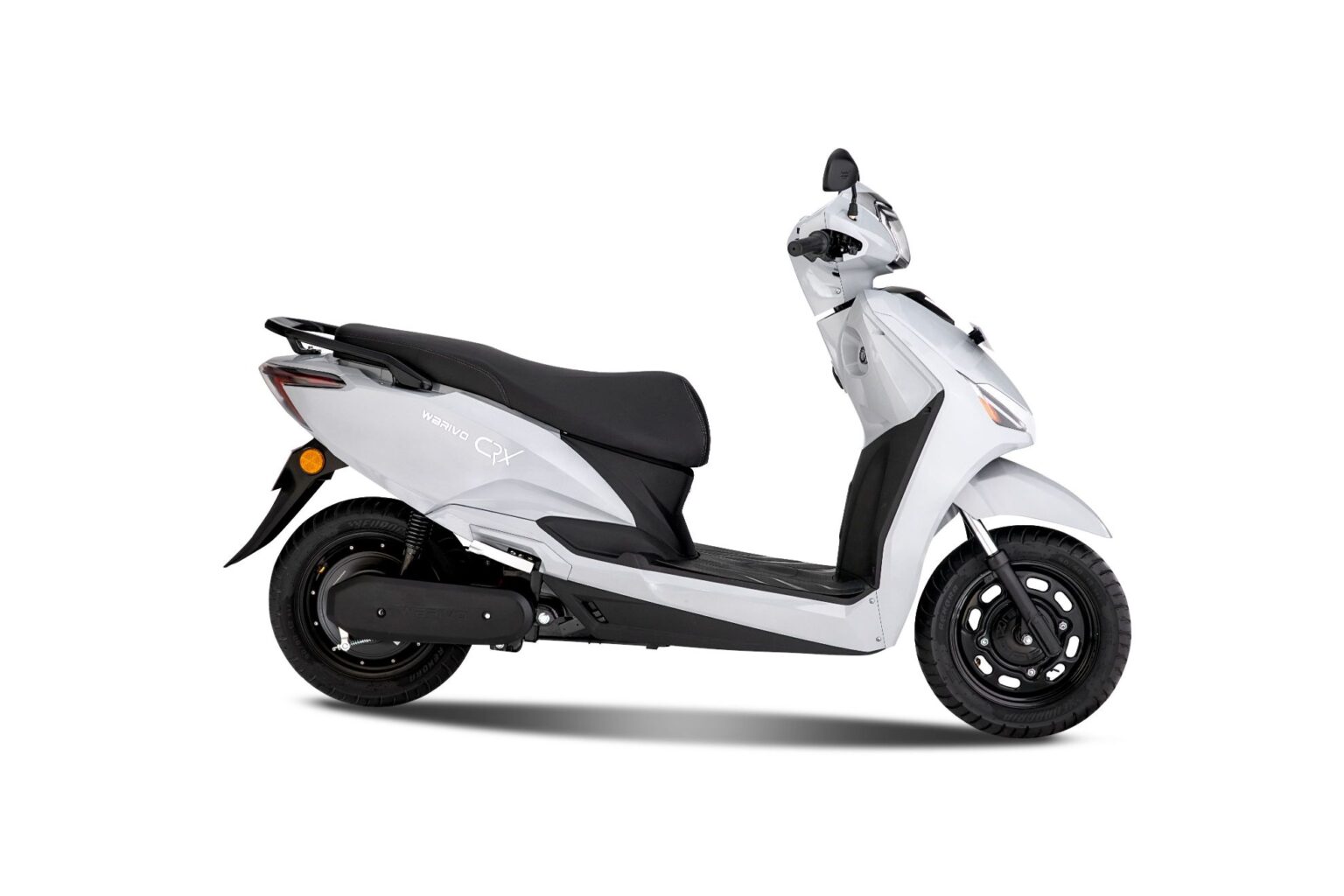
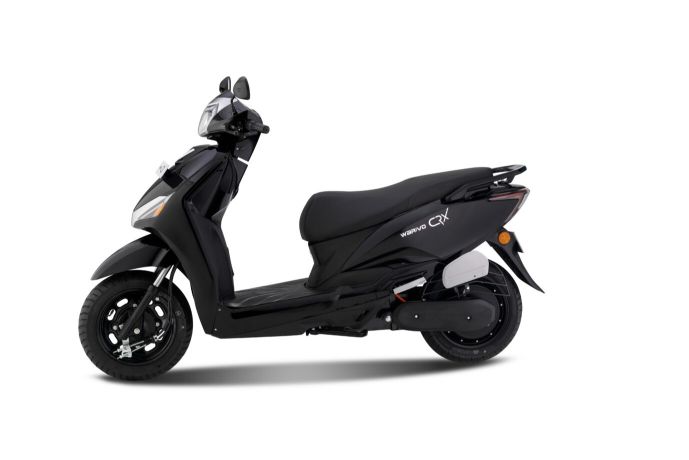
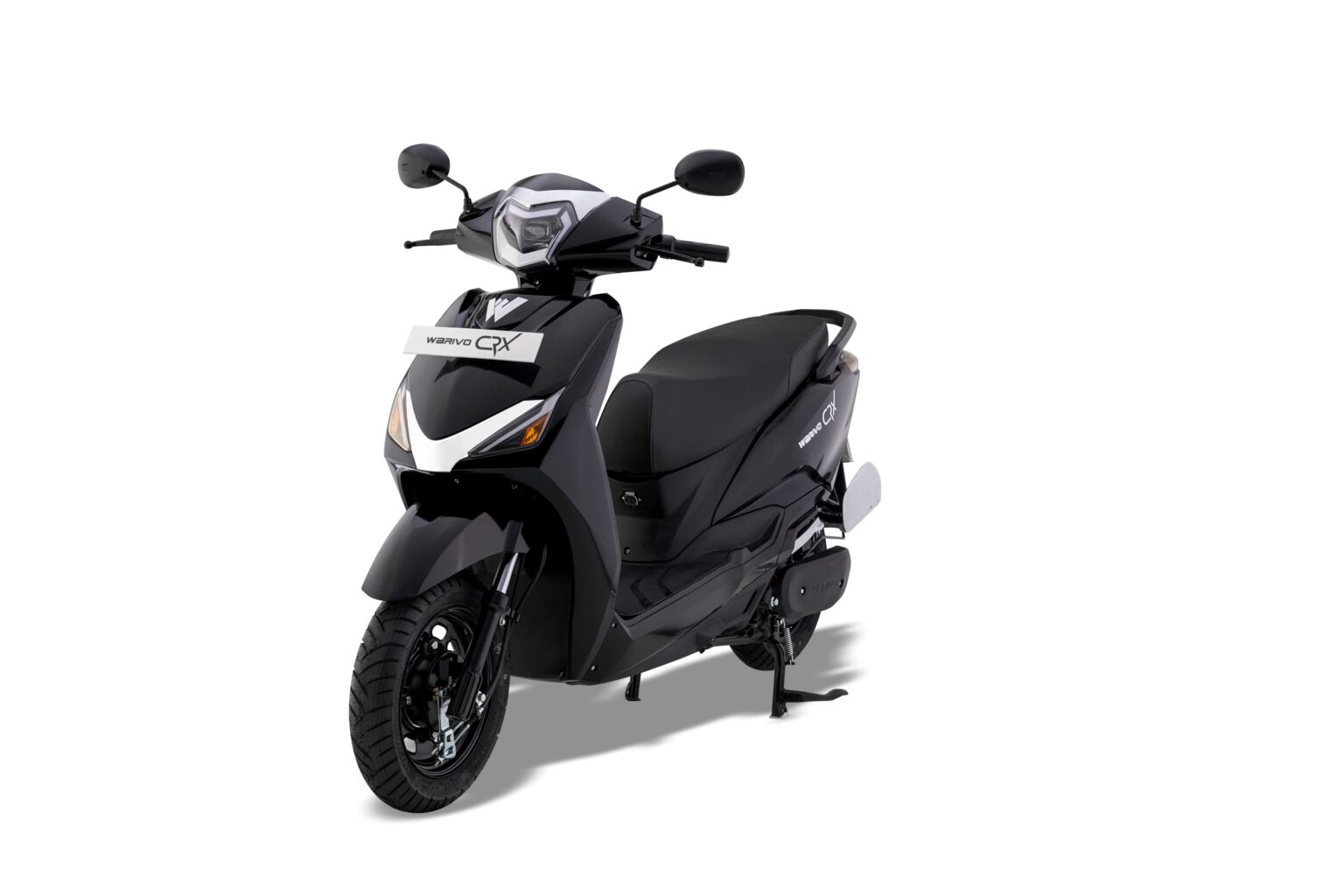
Electric scooters used for delivery are specifically designed to handle commercial workloads.
They offer:
● Better torque for quick acceleration
● Smooth handling in congested traffic
● Lower noise pollution
● Better stability and control
Combined with swapping, EVs become the ideal choice for constant stop-and-go deliveries.
8. Big Delivery Brands Are Leading the Shift
Major food delivery, grocery delivery, courier, and e-commerce companies have already adopted
EV fleets in Delhi NCR. Their reasons are consistent:
● Lower cost per delivery
● Better SLAs due to zero downtime
● Higher rider satisfaction
● Reduced operational volatility
● Stronger sustainability positioning
When industry leaders move in a particular direction, smaller logistics providers follow—and
that’s exactly what’s happening.
9. Delhi NCR Is Becoming a Model EV Delivery Hub
Delhi NCR has several factors that make it perfect for high-speed EV adoption:
● Dense population
● Large volume of hyperlocal orders
● Traffic congestion (where EVs are more efficient)
● Availability of swapping stations
● Supportive government policies
● Presence of major delivery companies
SUN Mobility’s wide swapping station coverage further accelerates this transition, making EV
adoption seamless.
10. A Future Built on Efficiency and Clean Energy
The shift to EV fleets is not just a trend—it’s the future of urban logistics.
EV Fleets Will Soon Be the Norm, Not the Exception
As battery technology improves and swapping networks expand, delivery companies will
increasingly choose EVs as their default fleet option. The combination of:
● Lower cost
● Higher efficiency
● Better uptime
● Environmental benefits
● Network support
makes EVs unbeatable.
In the long run, the delivery sector will likely move entirely to electric, especially in mega-cities
like Delhi NCR.
Conclusion: EV Fleets + Swapping = The
Perfect Delivery Solution
Delivery companies are switching to EV fleets because the benefits are simply too big to ignore.
The economics favor EVs, the performance suits last-mile delivery, and the operational
convenience—especially through SUN Mobility’s Swapping Network in Delhi NCR—is
unmatched.
Battery swapping solves the biggest pain point for delivery riders: downtime. When riders stay
on the road longer, companies fulfill orders faster, customers receive packages sooner, and the
entire ecosystem works more efficiently.
In the years ahead, we will see even more delivery fleets transitioning to electric mobility. For
Delhi NCR, the presence of a reliable swapping network is not just an advantage—it is a
catalyst driving the future of logistics.
The EV era isn’t coming.
It’s already here.