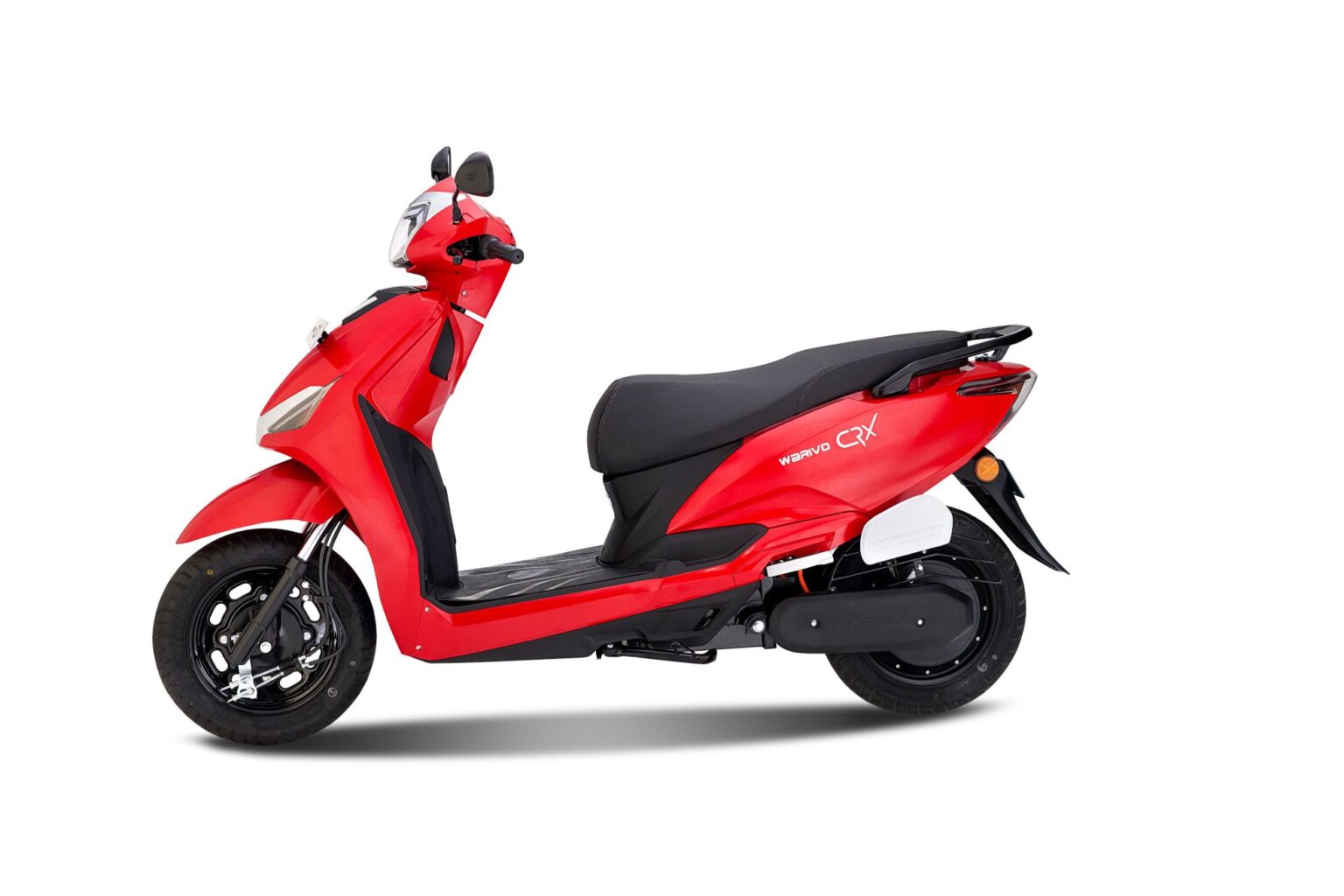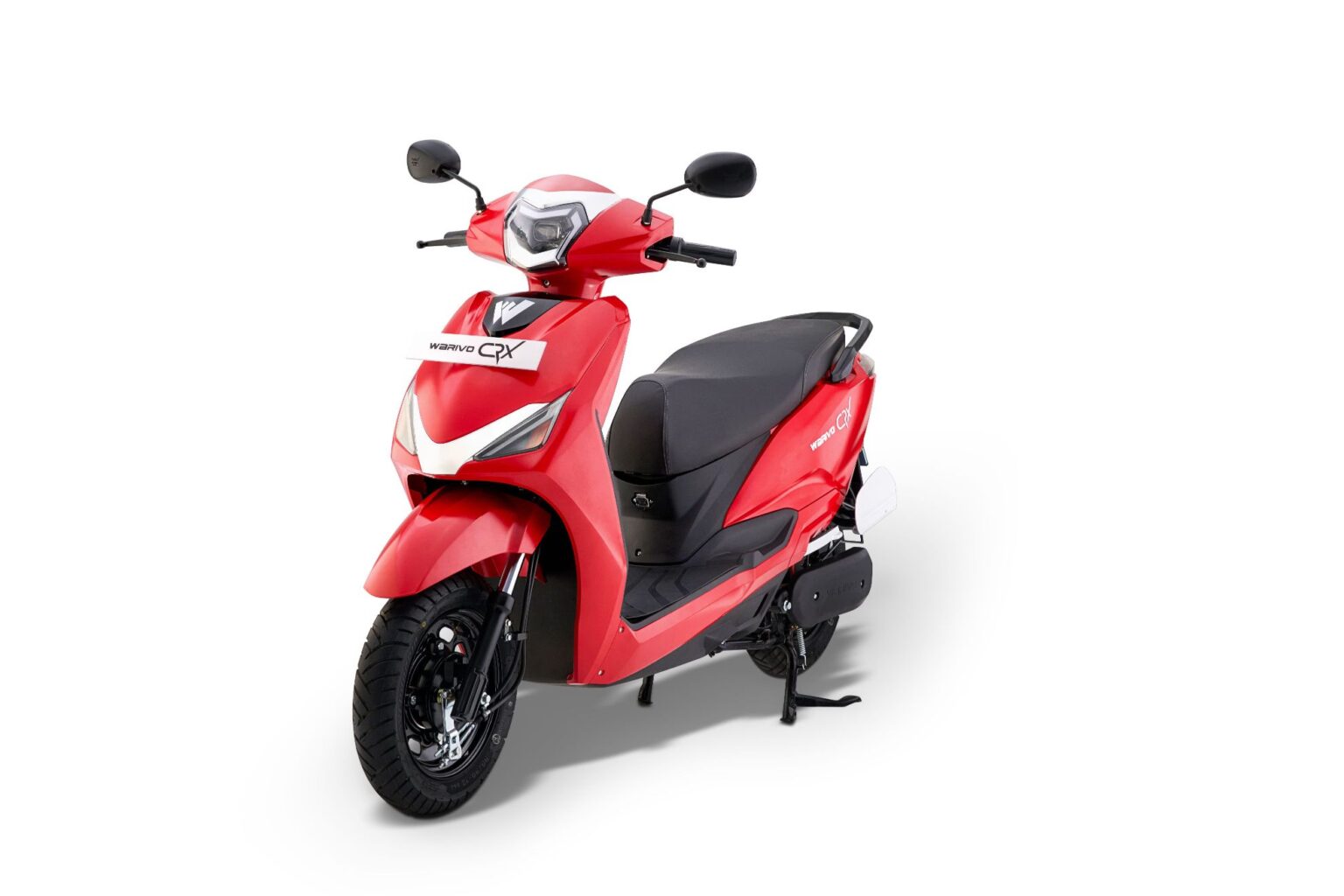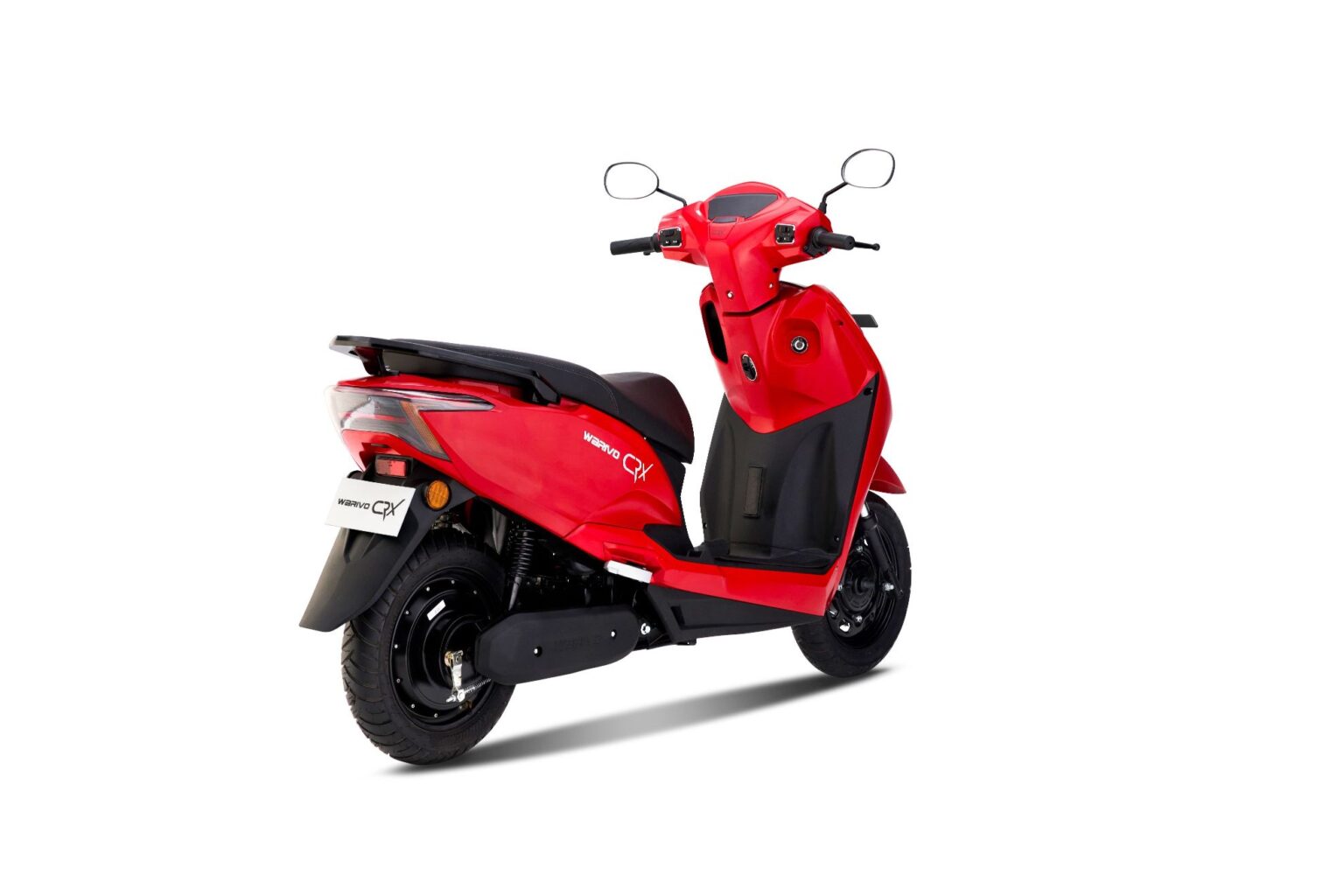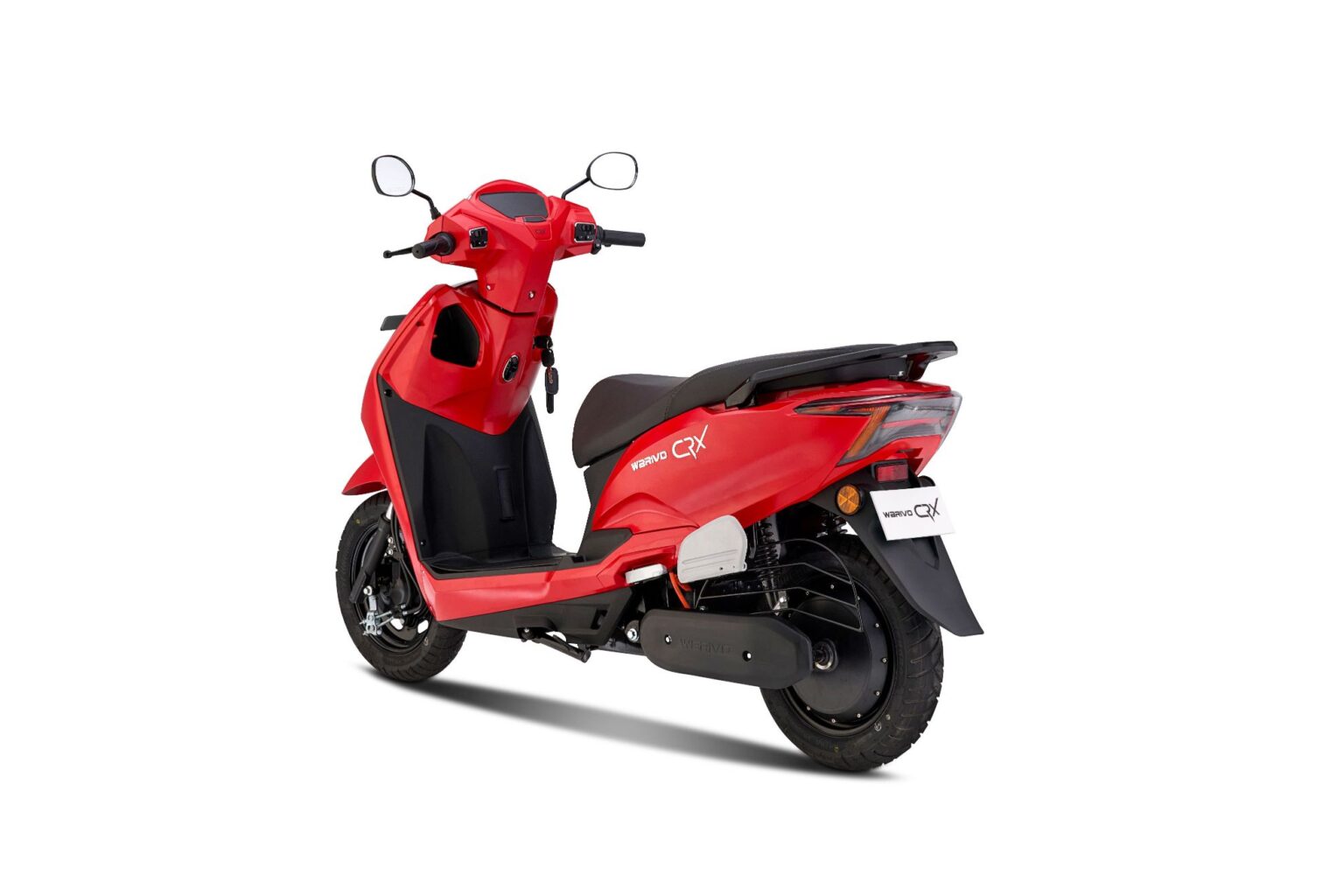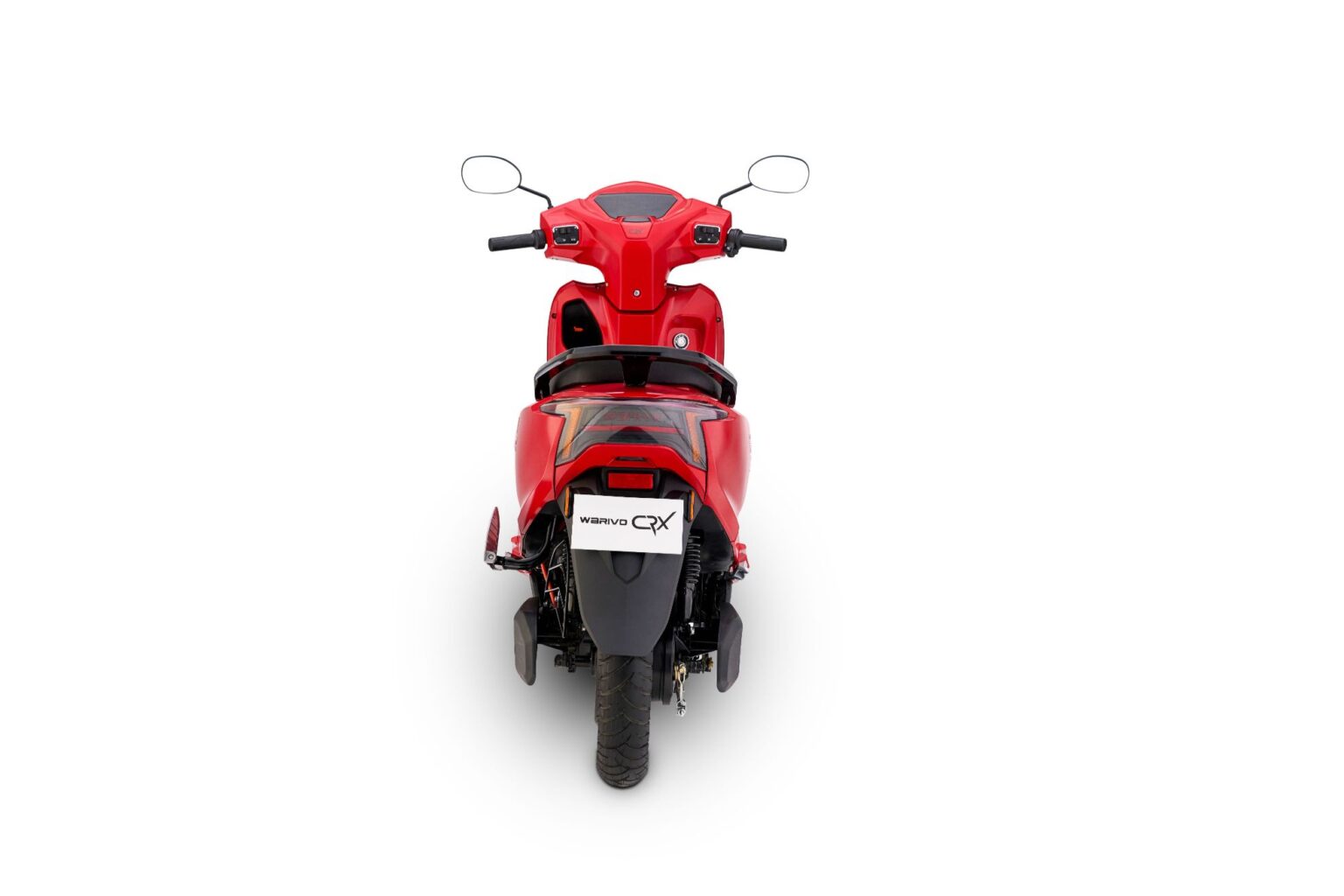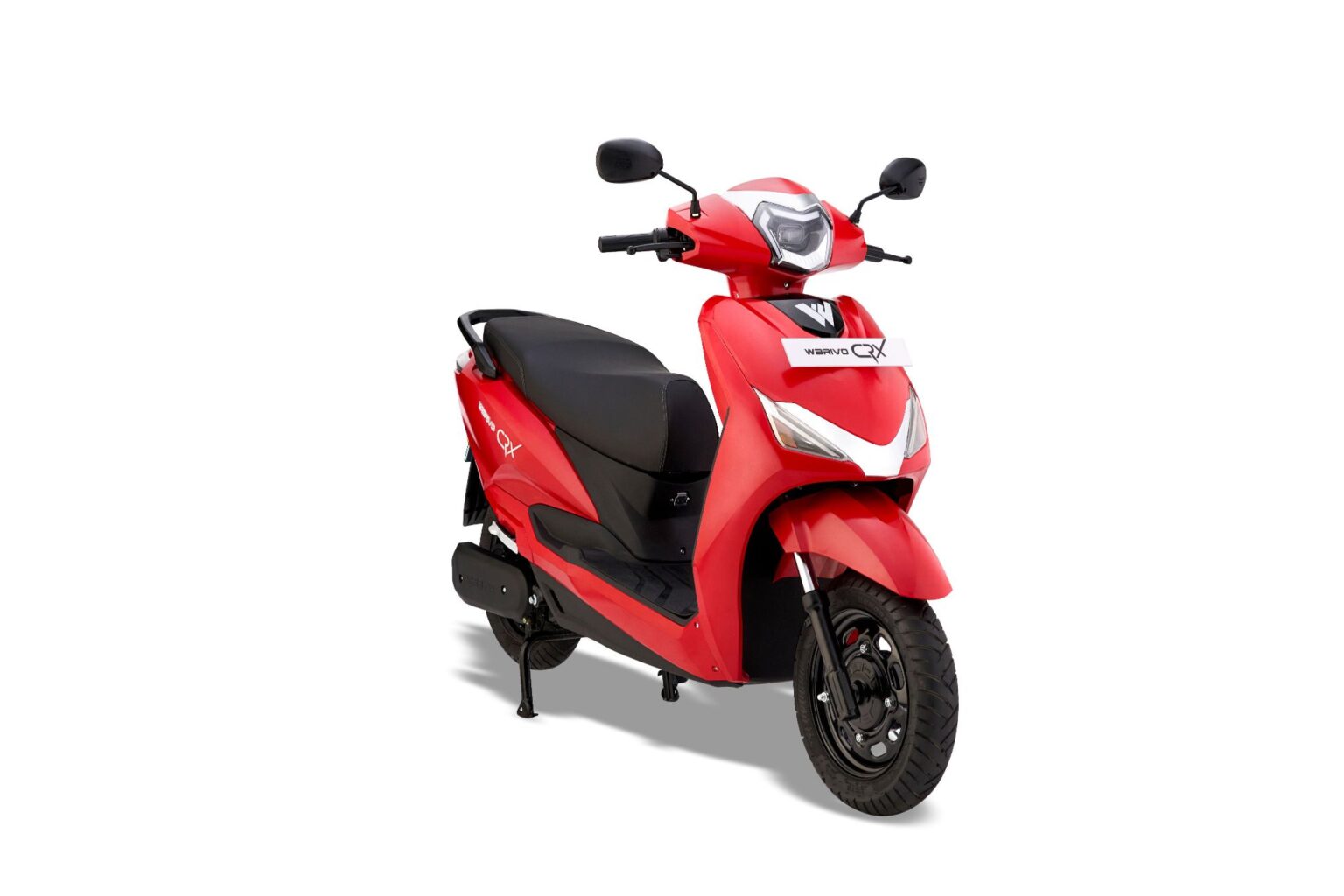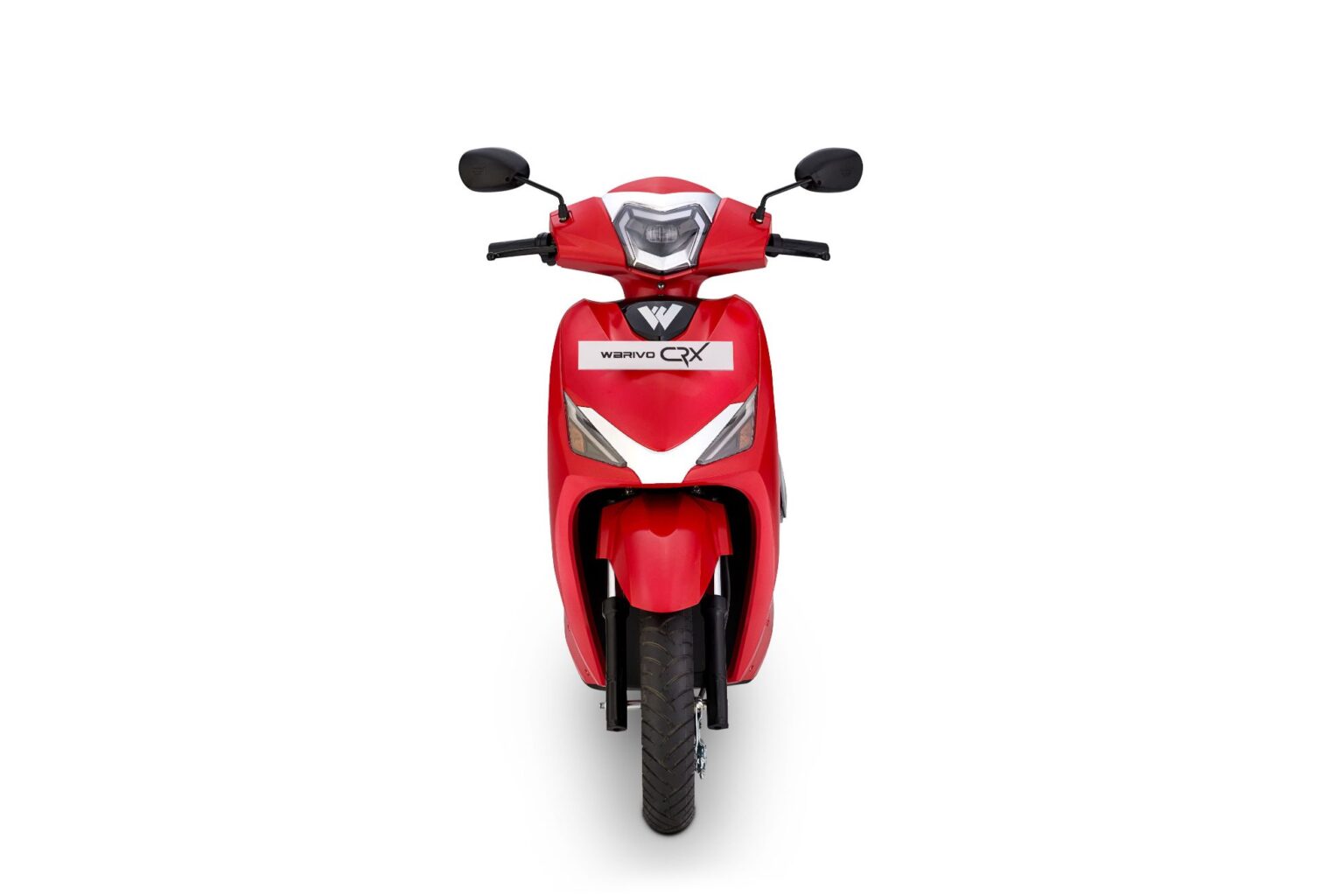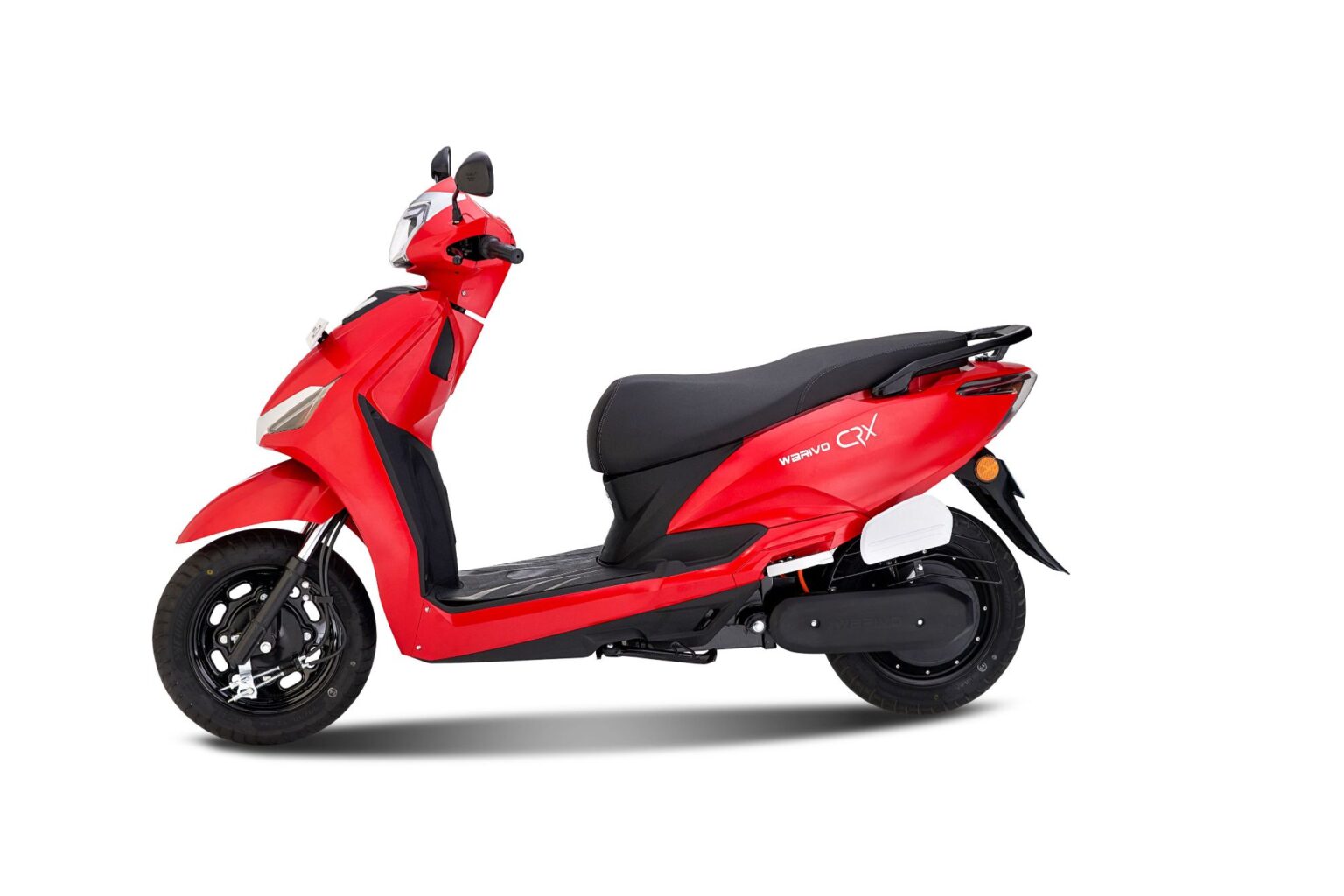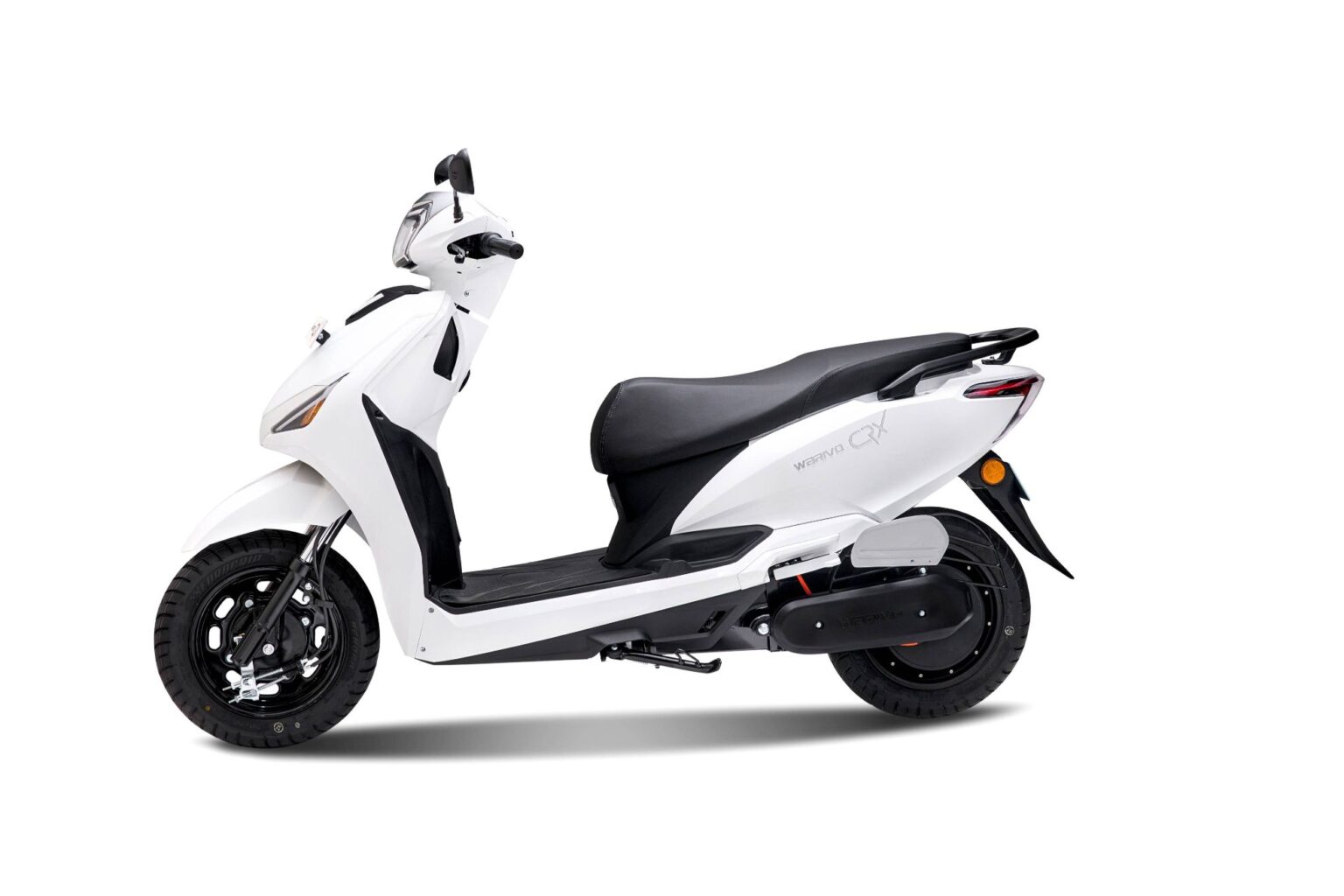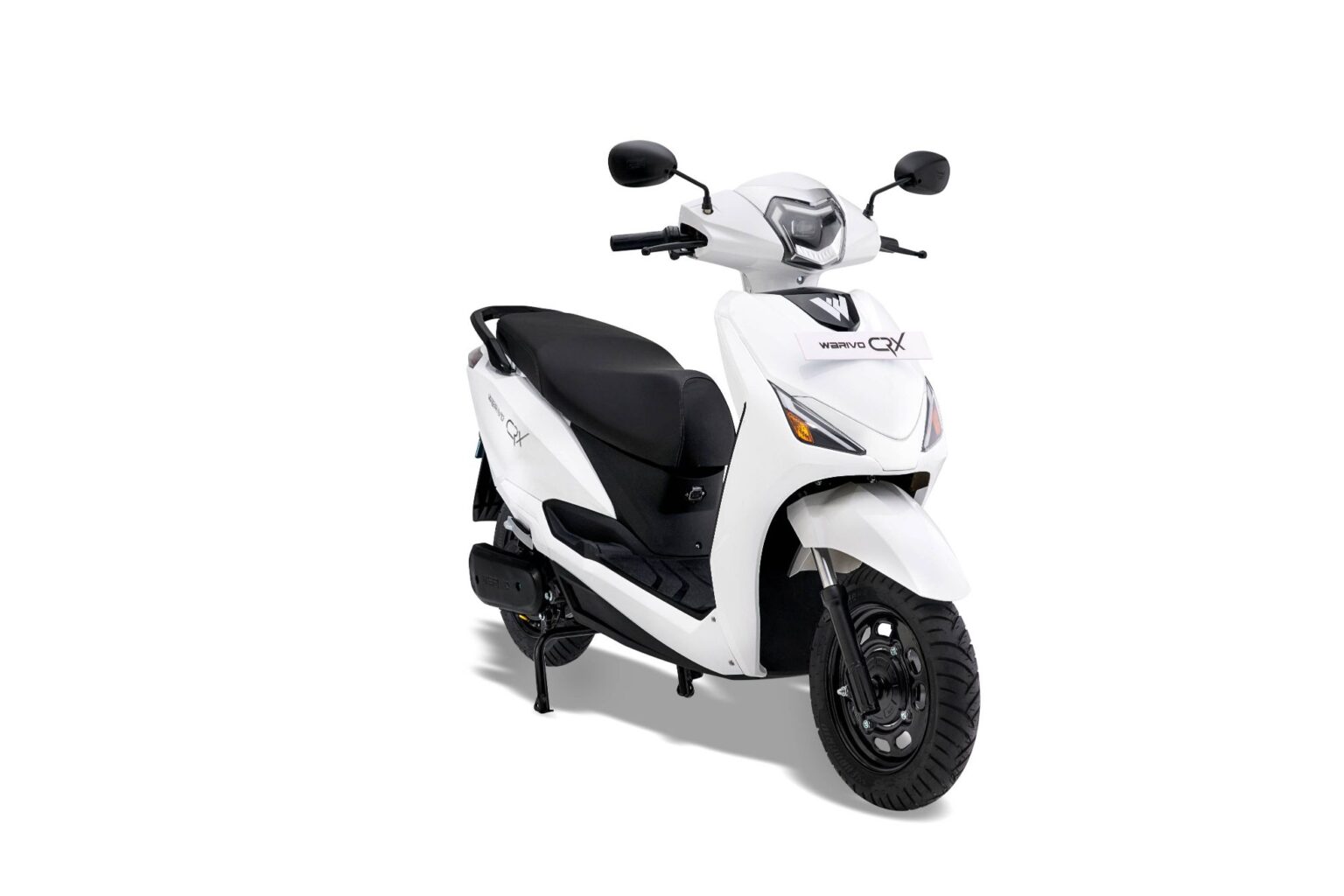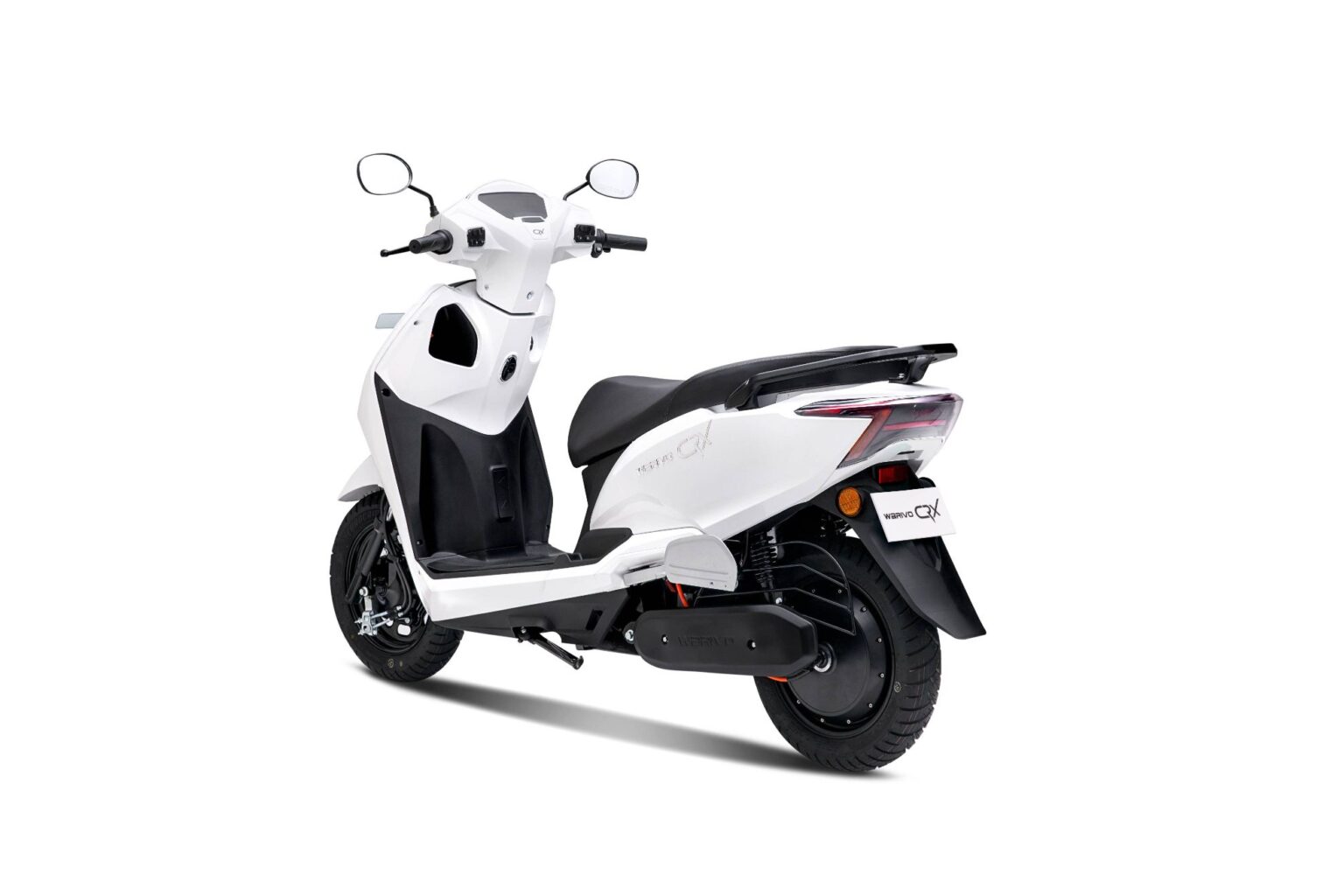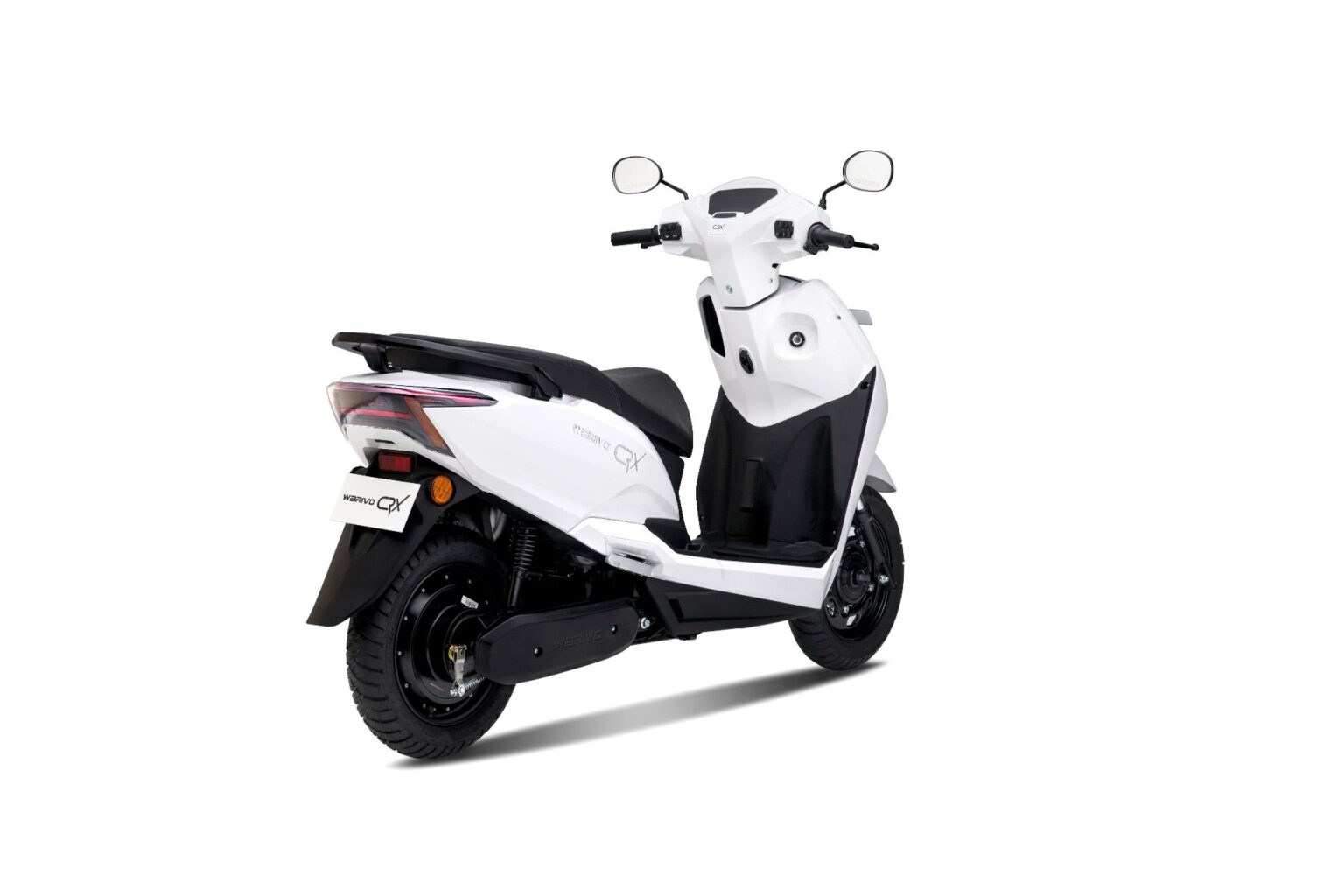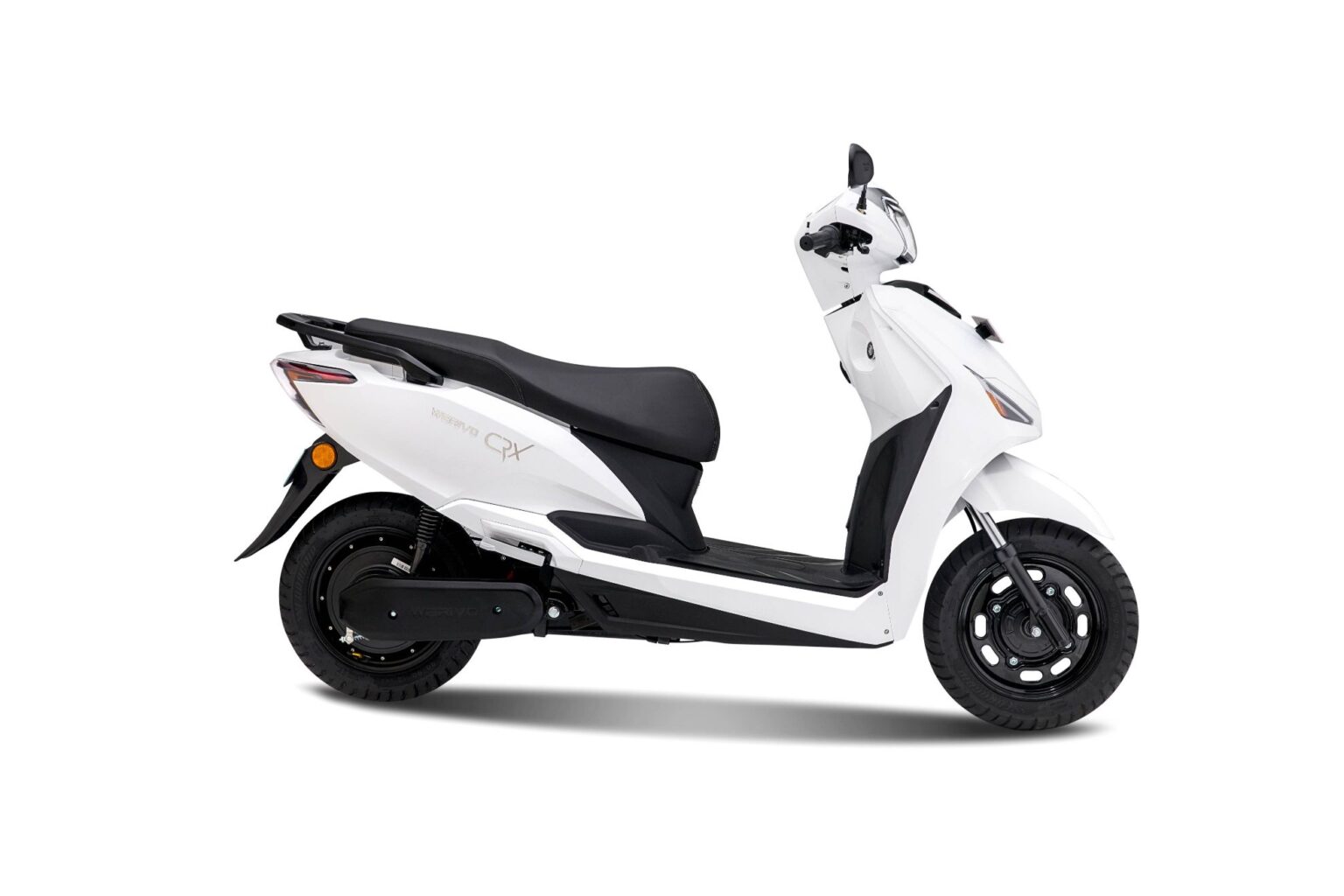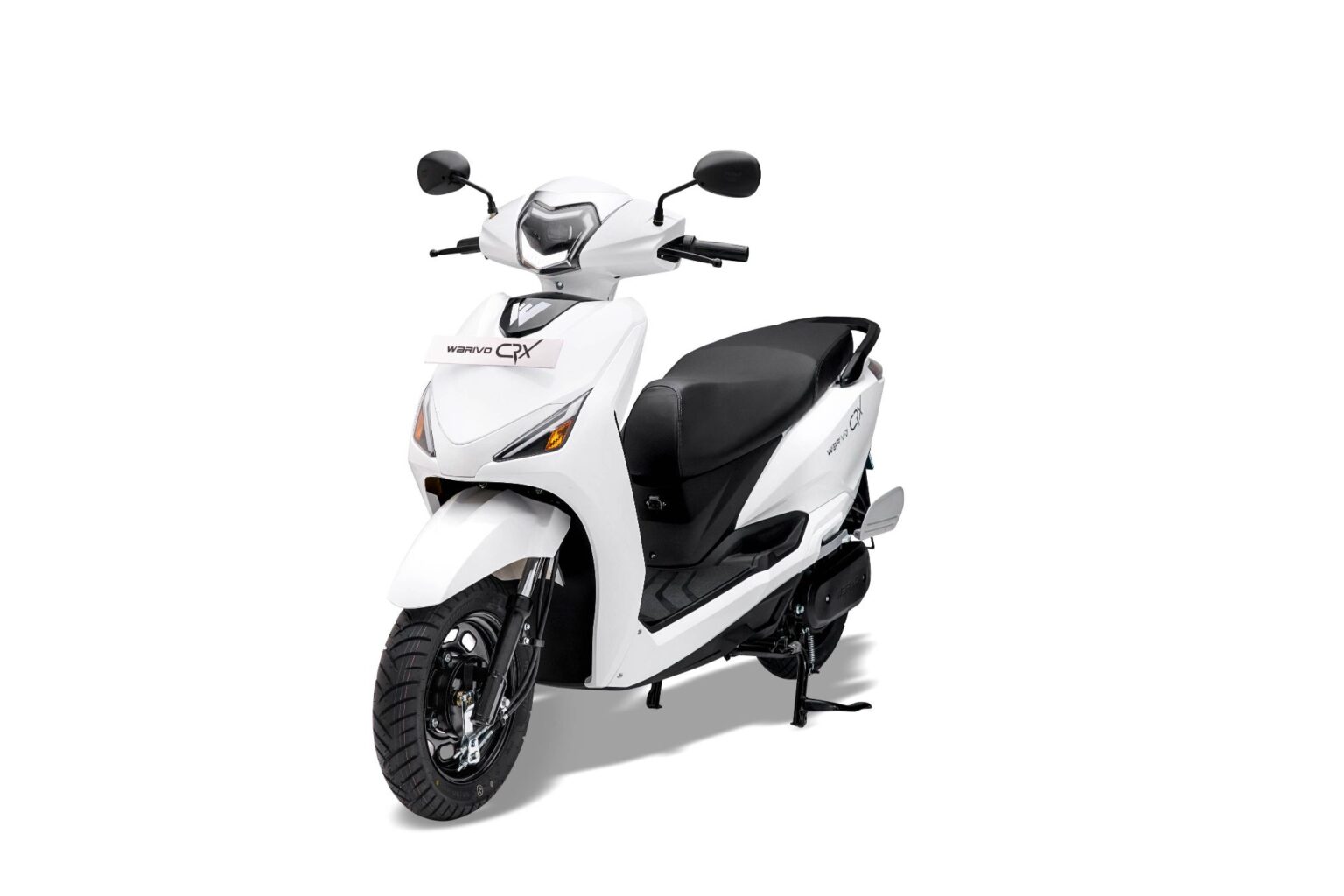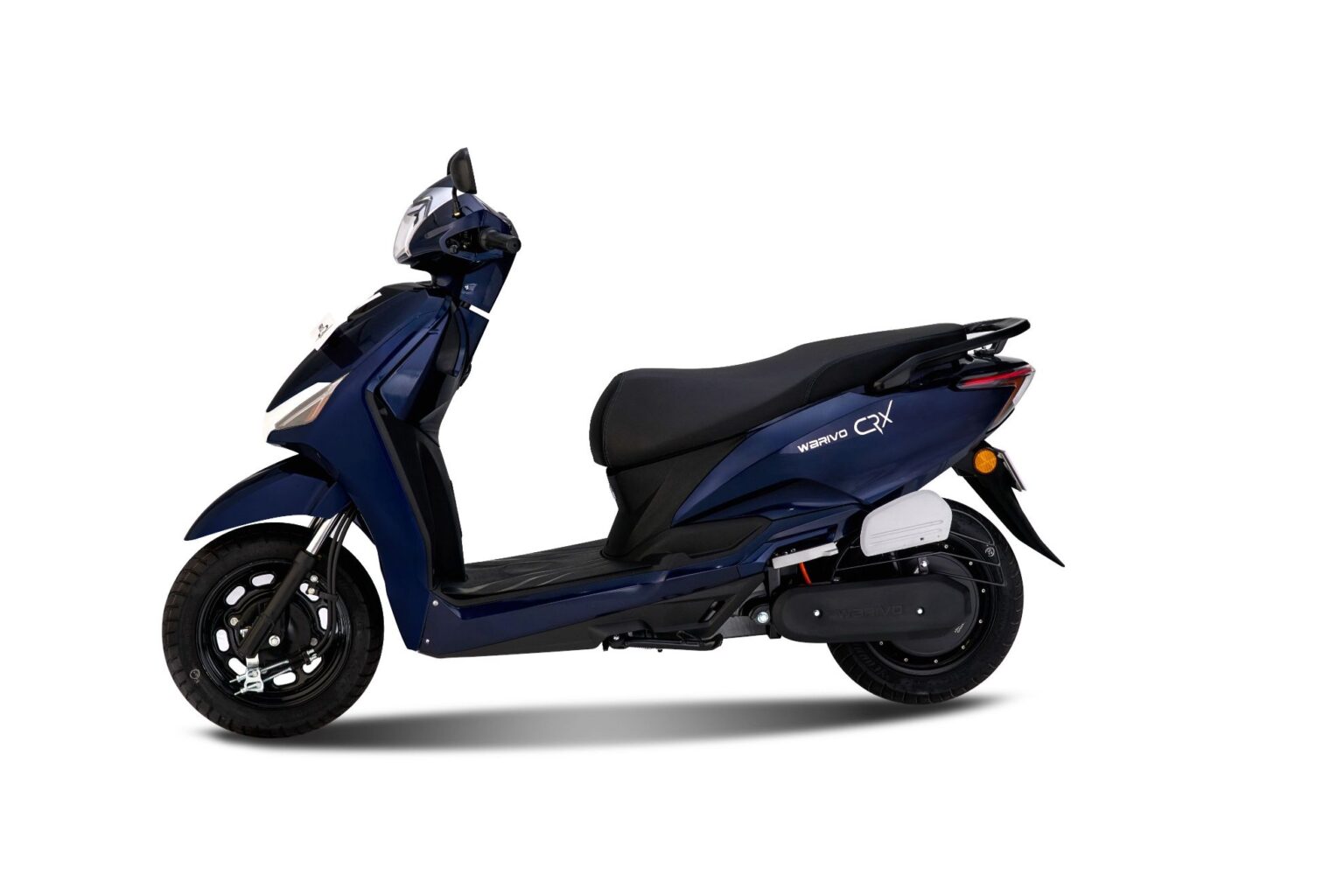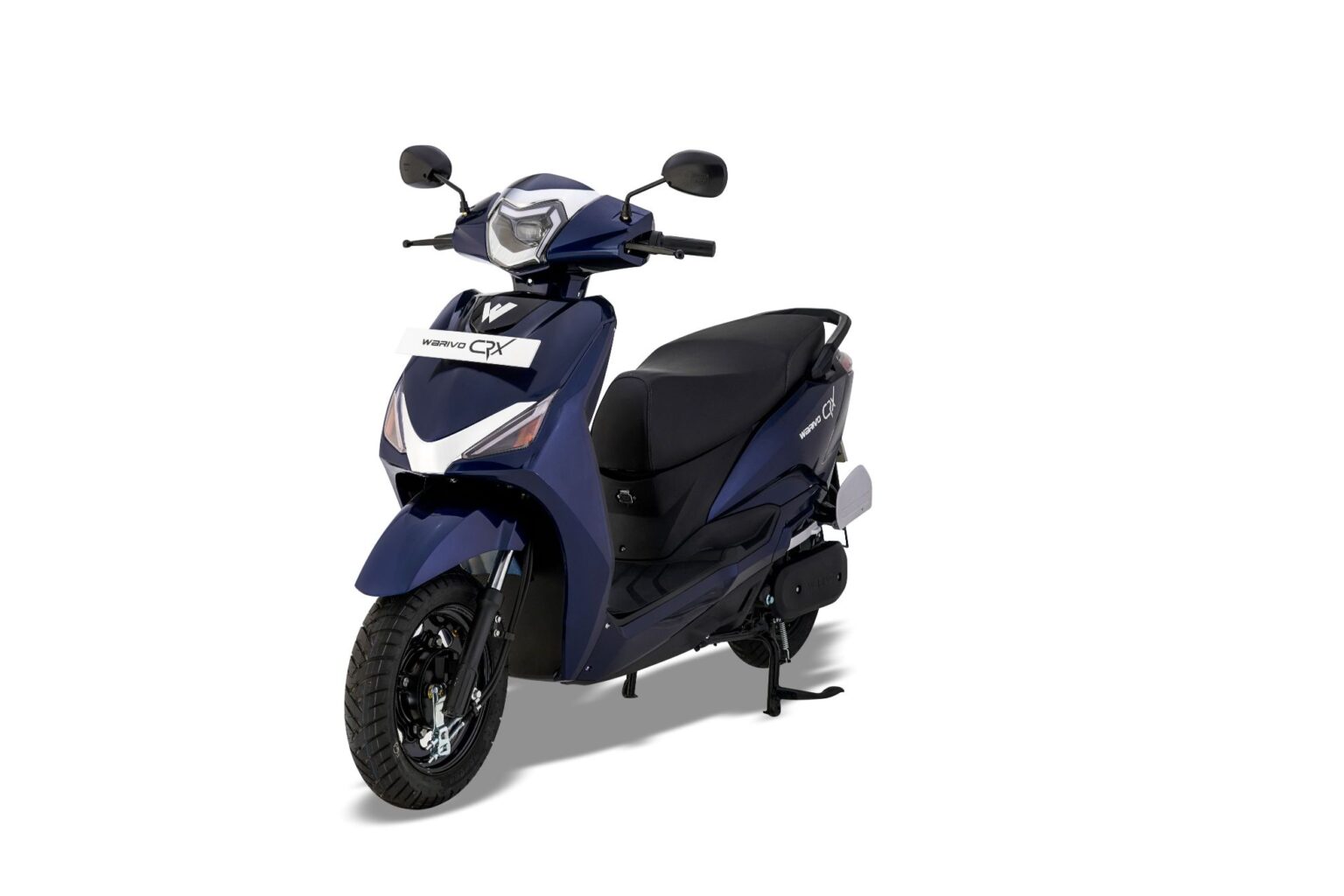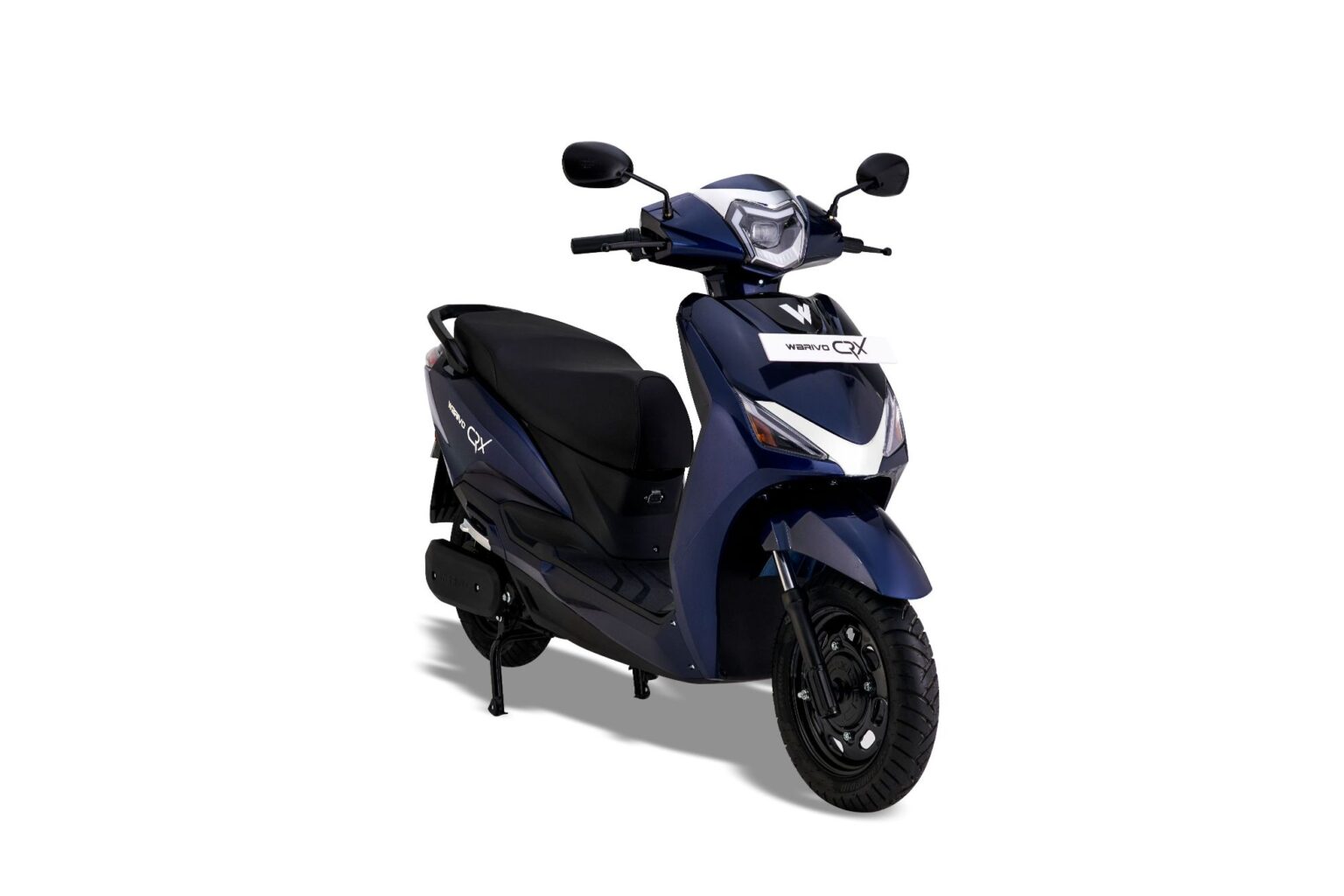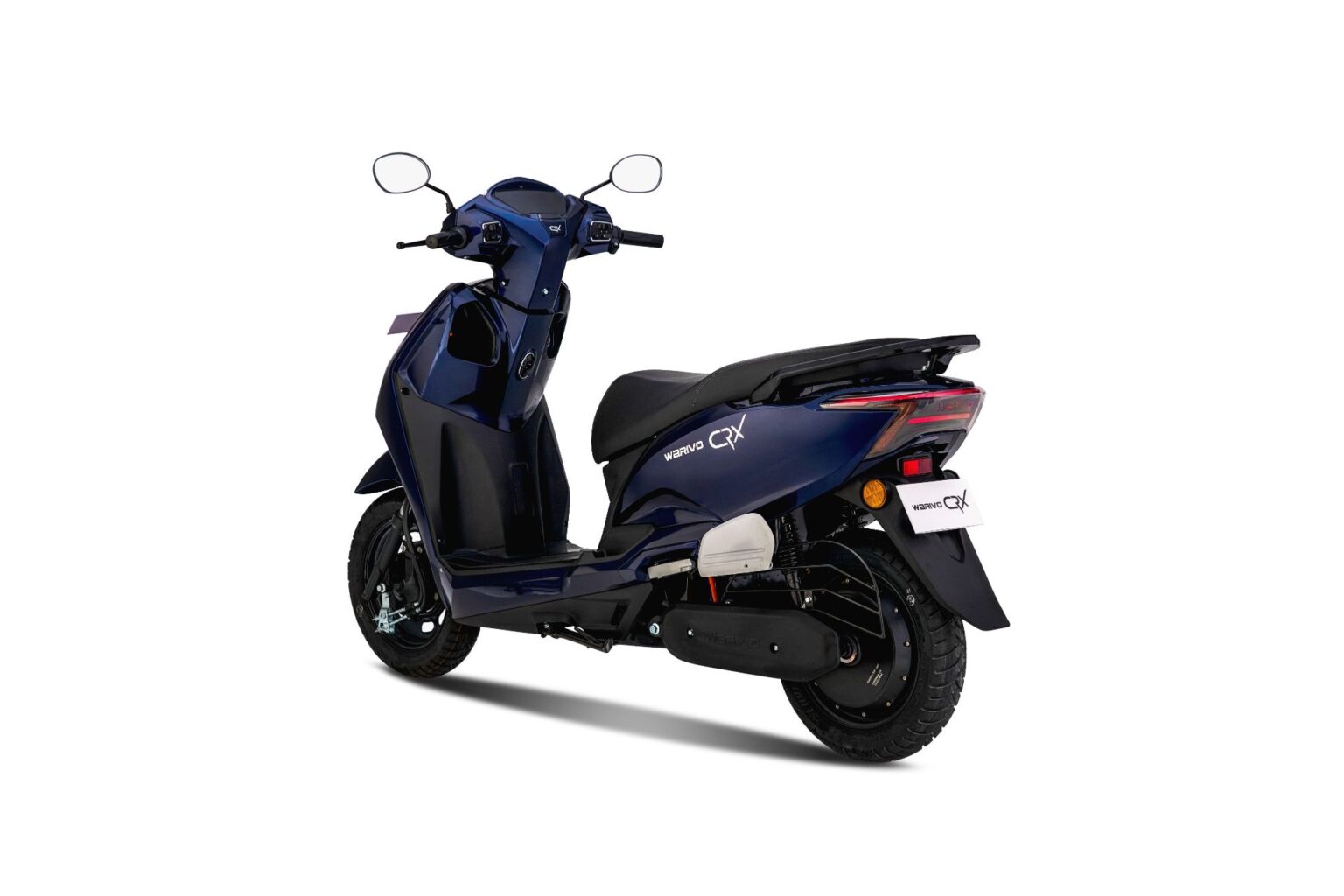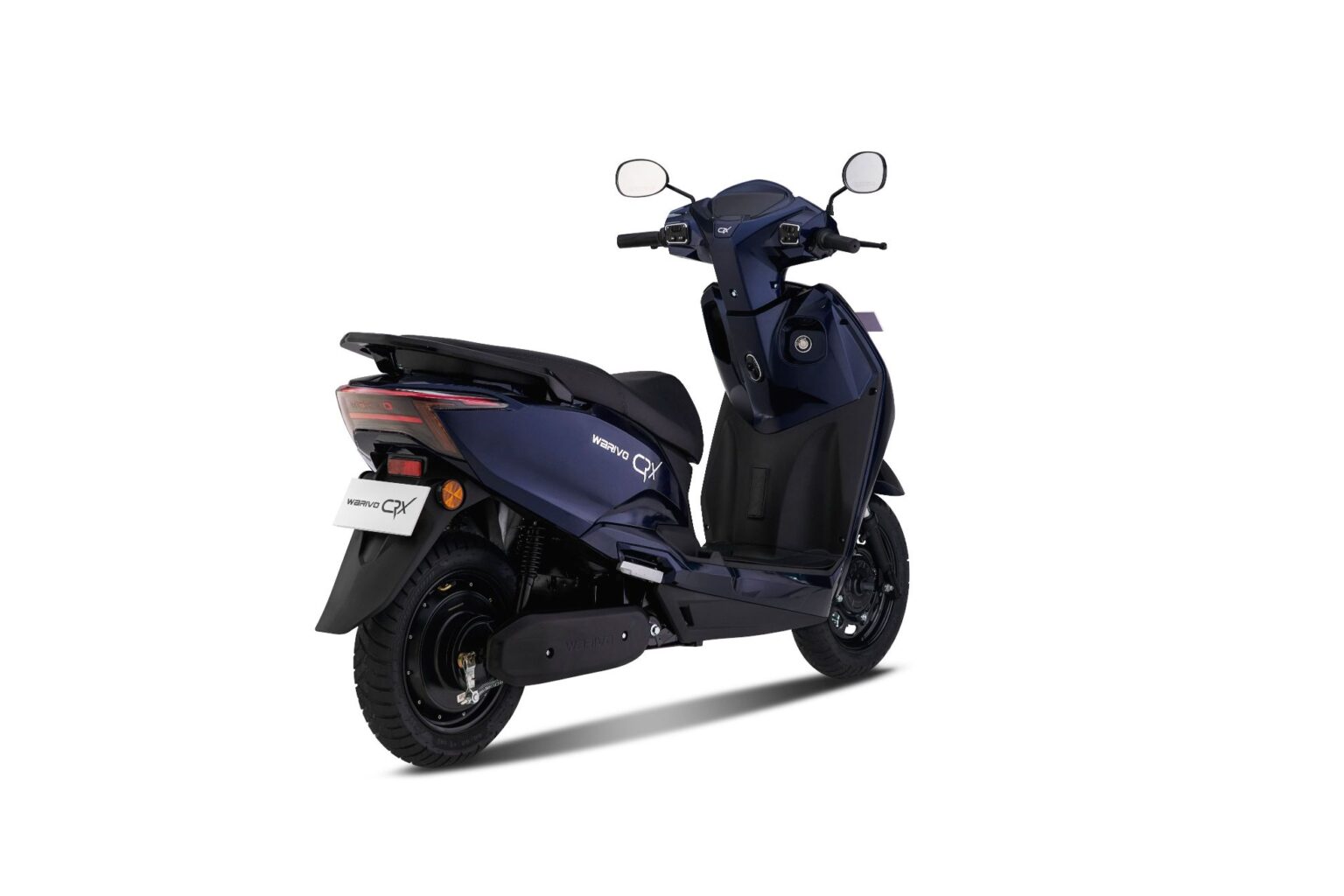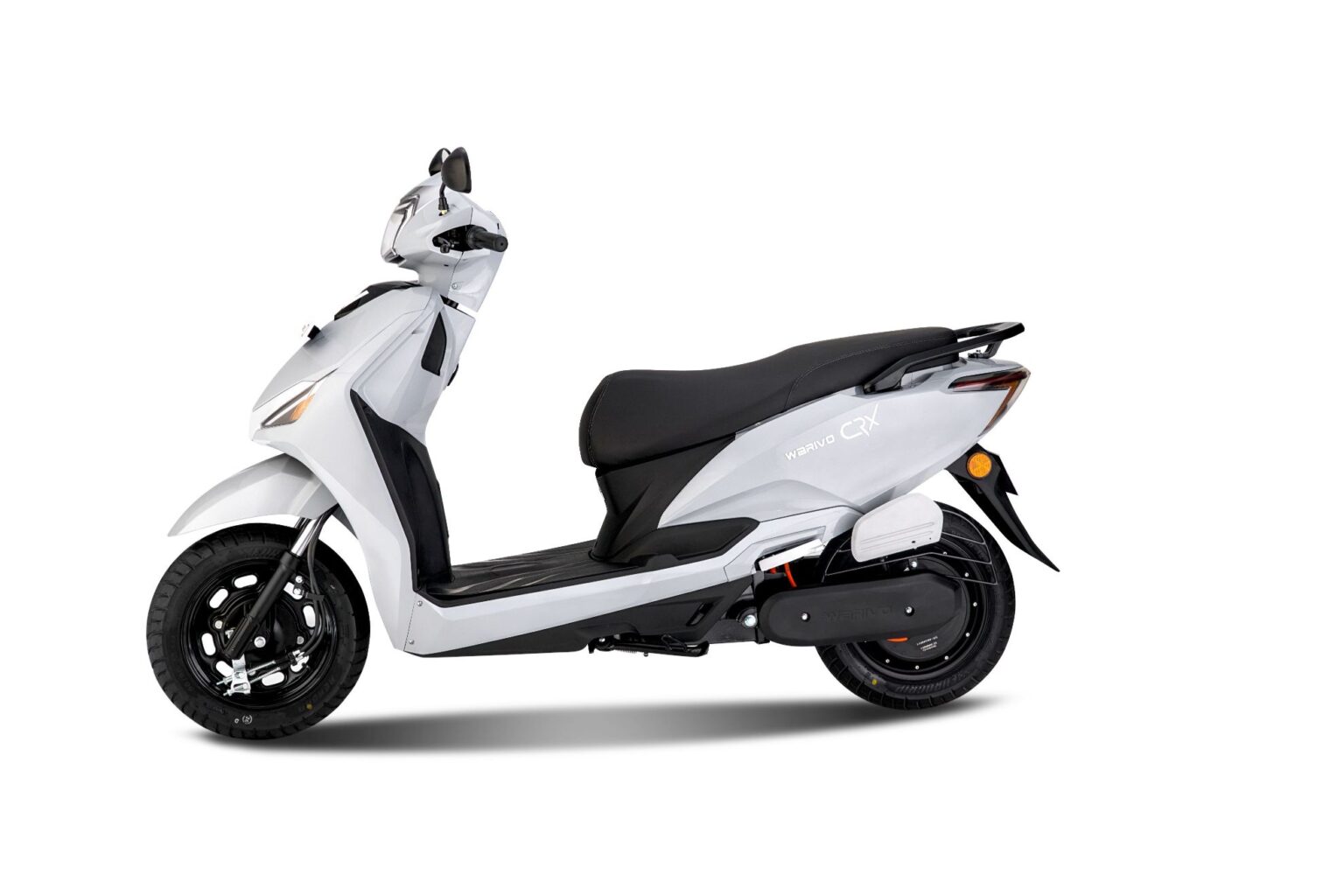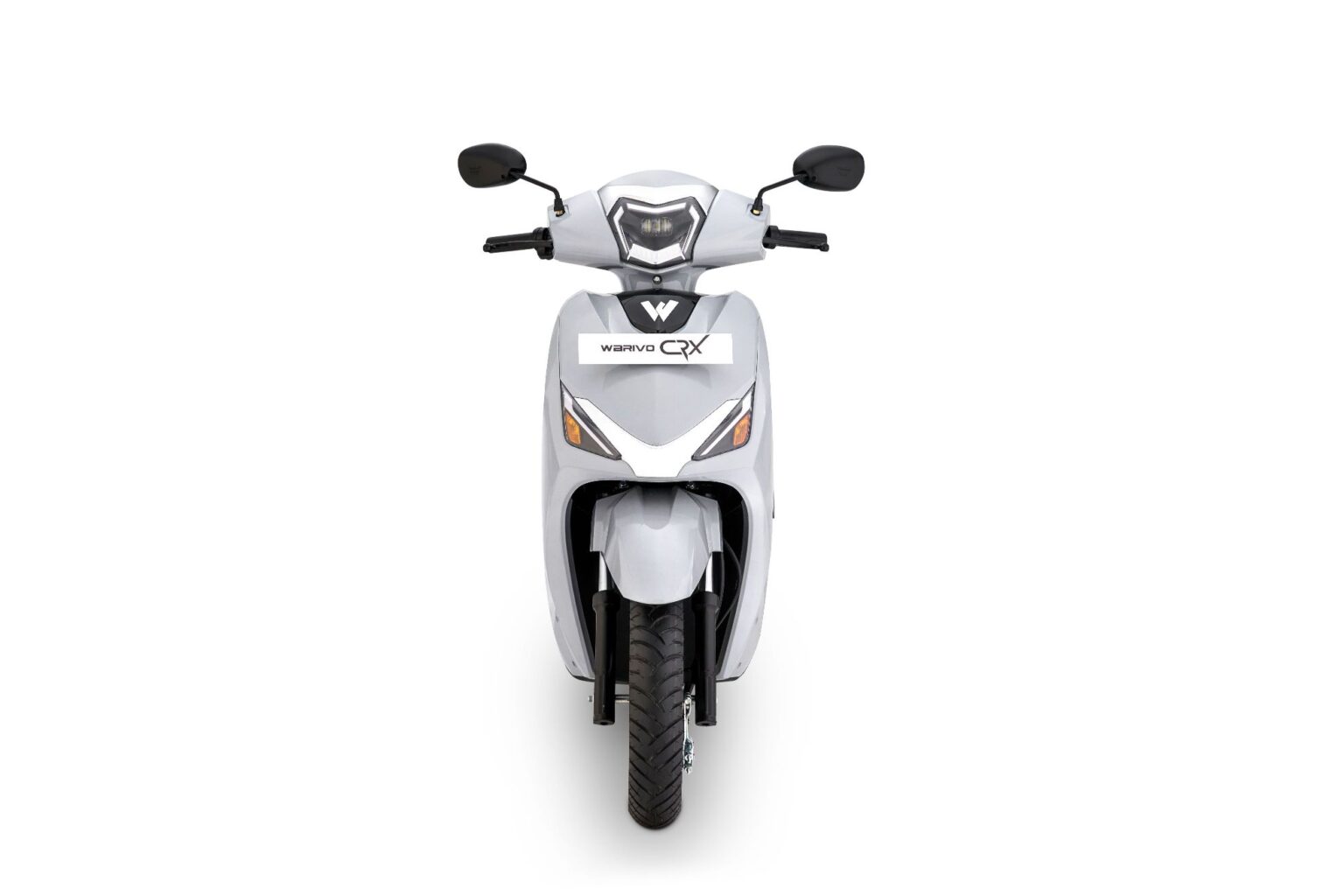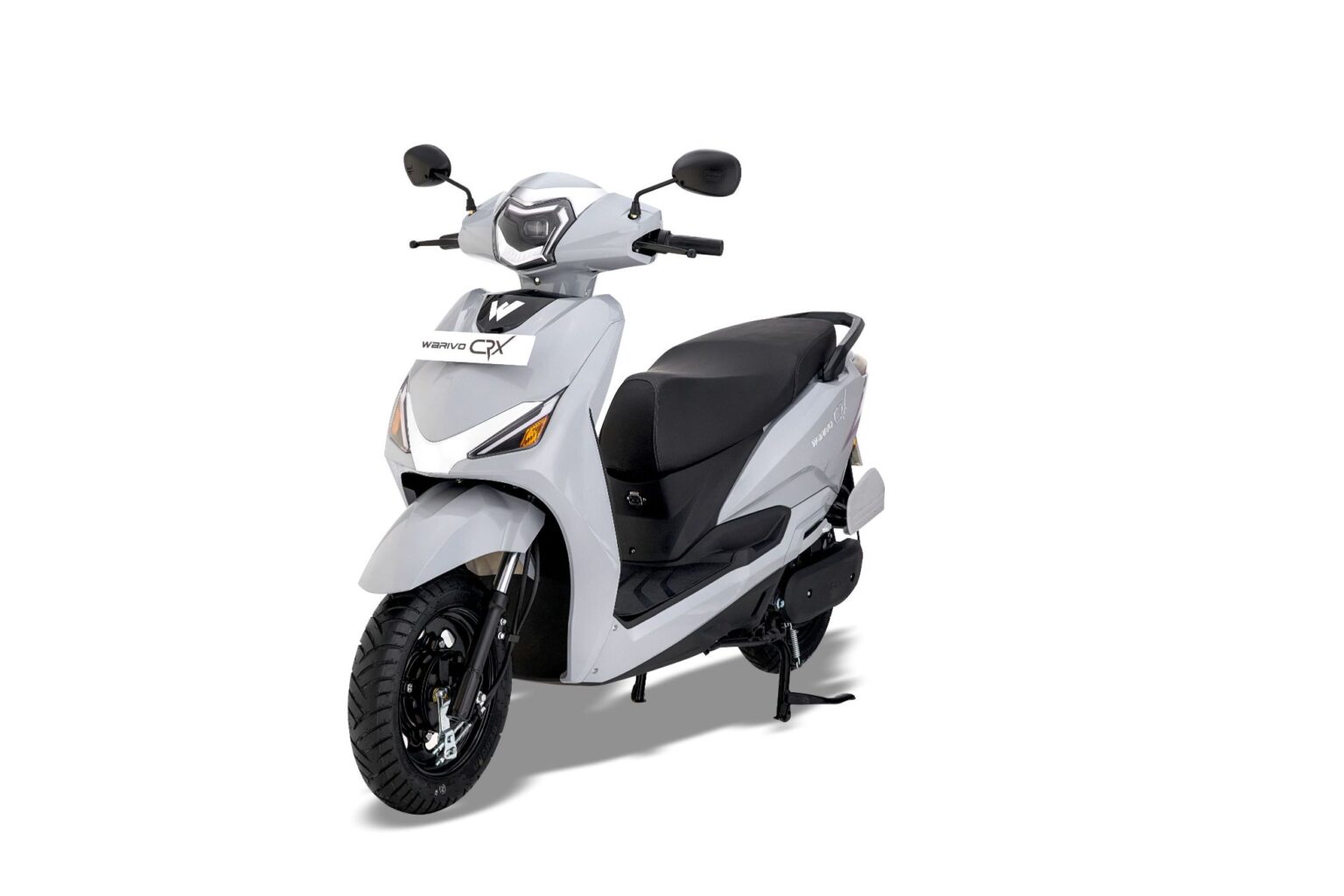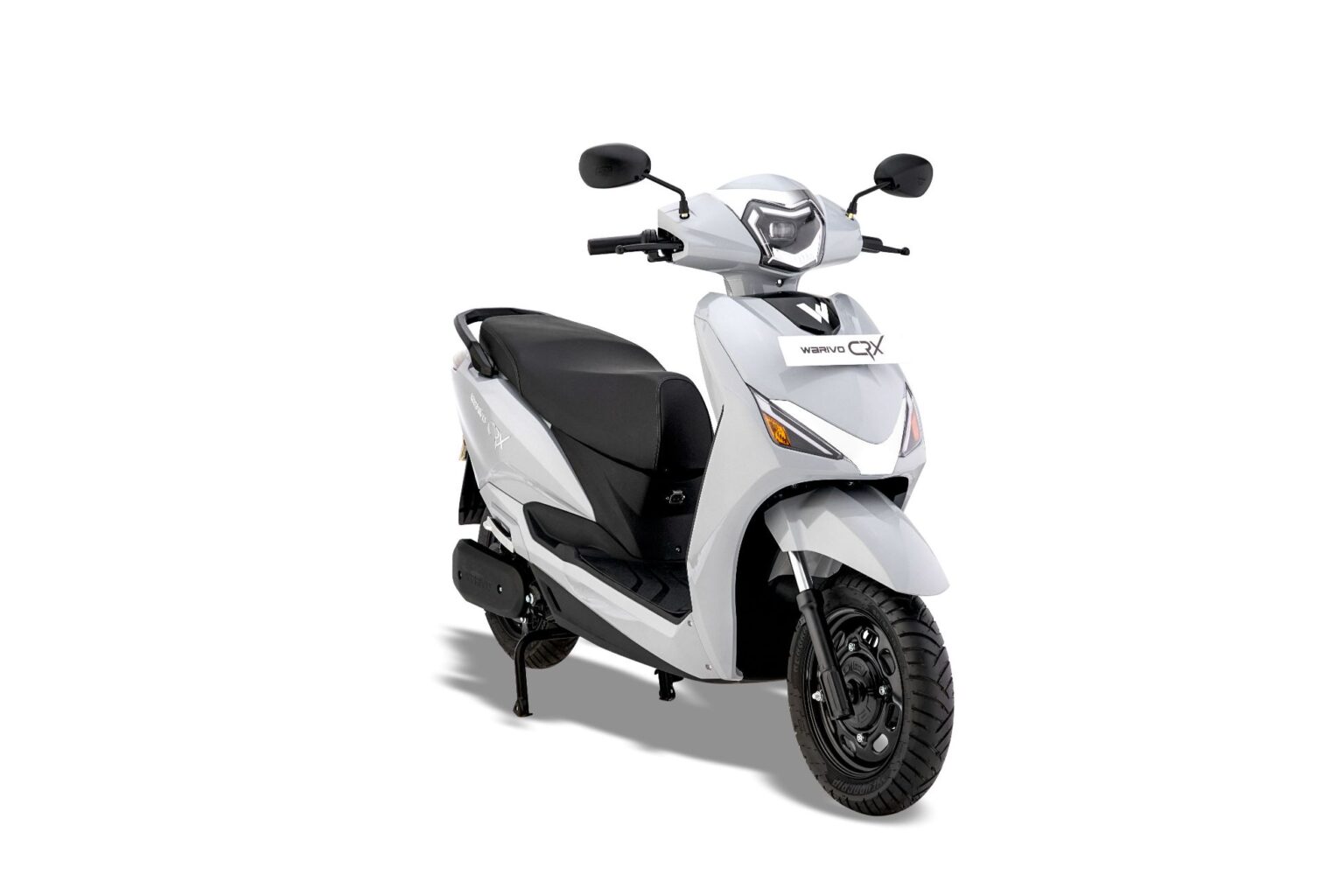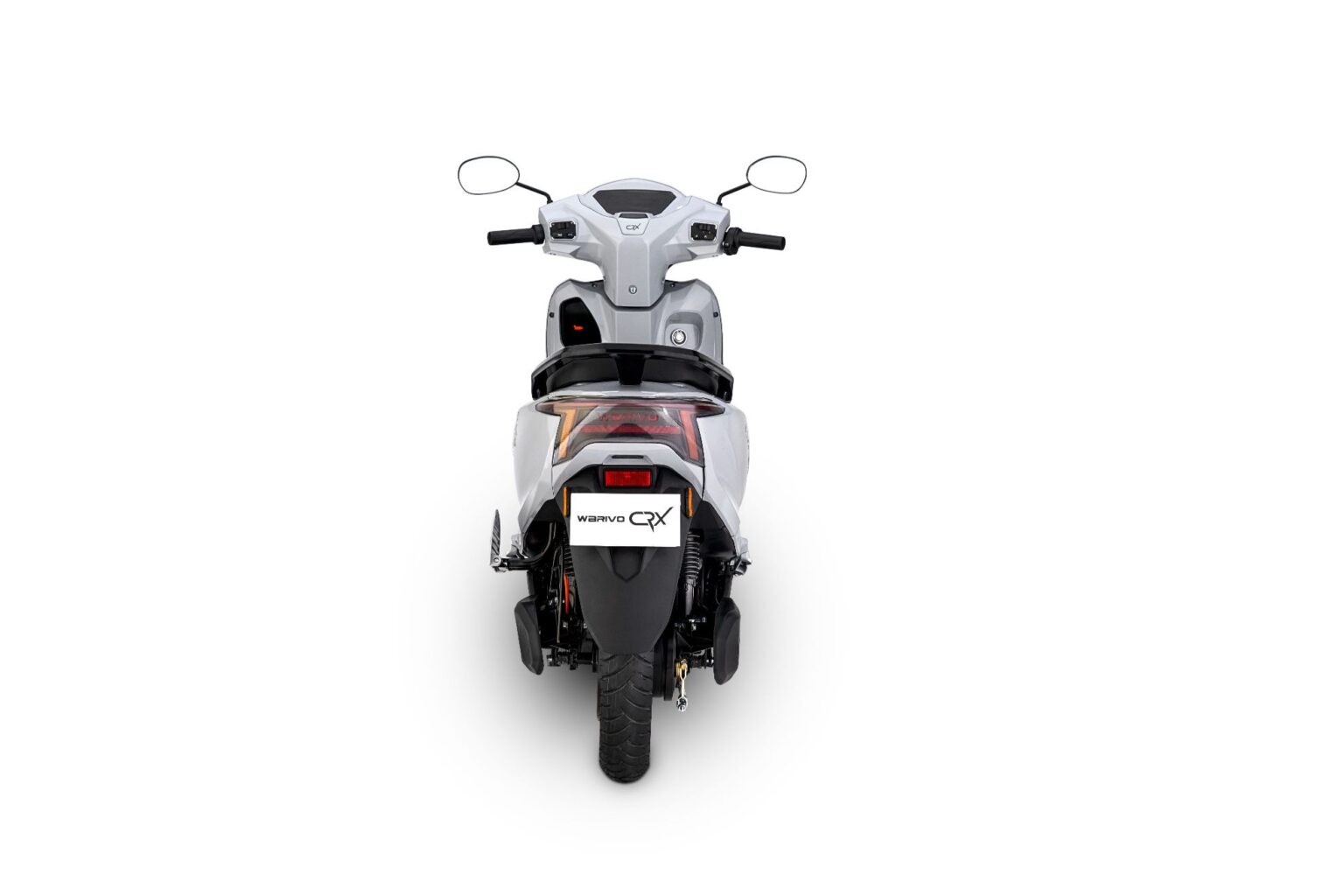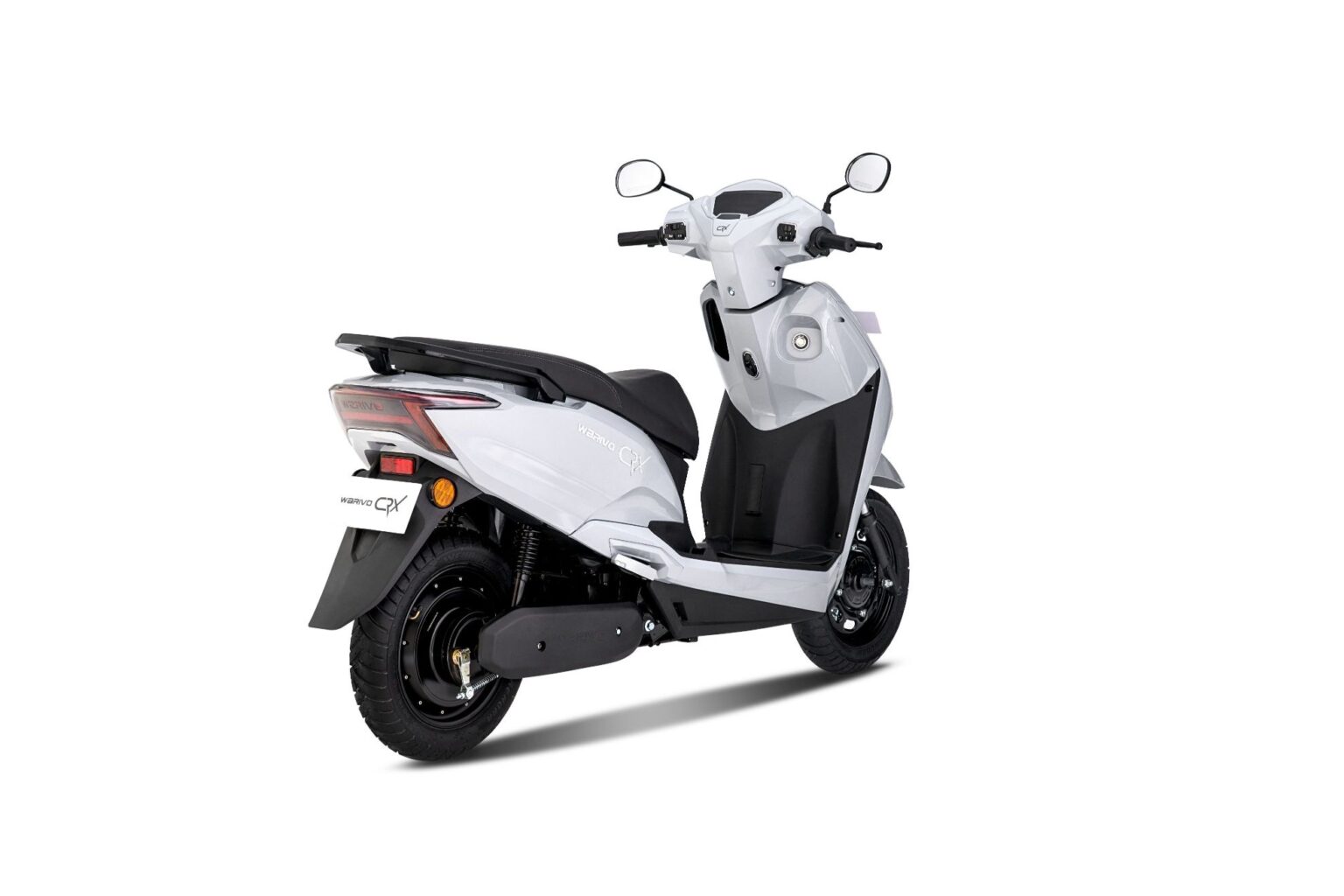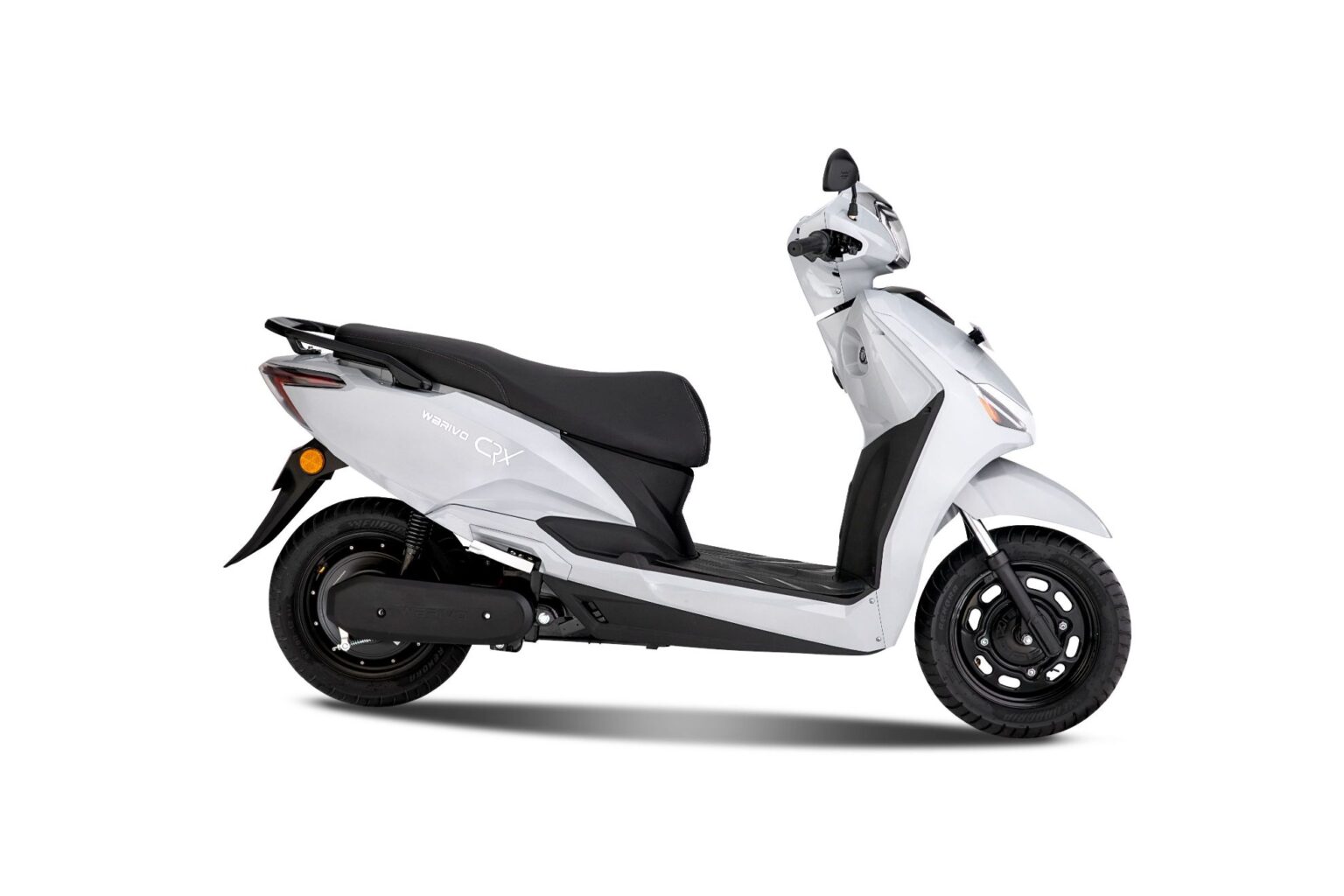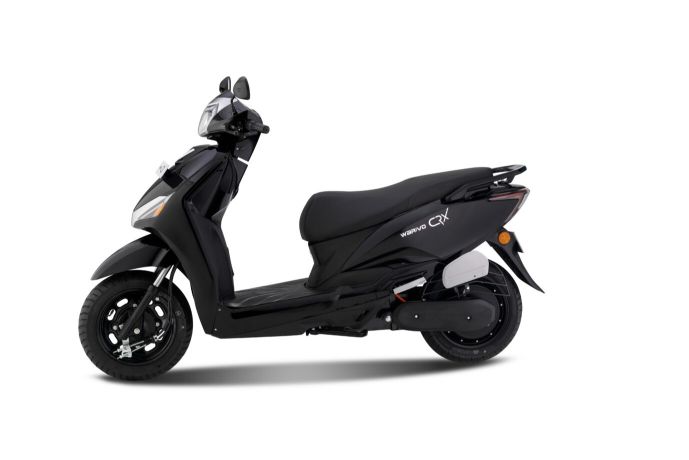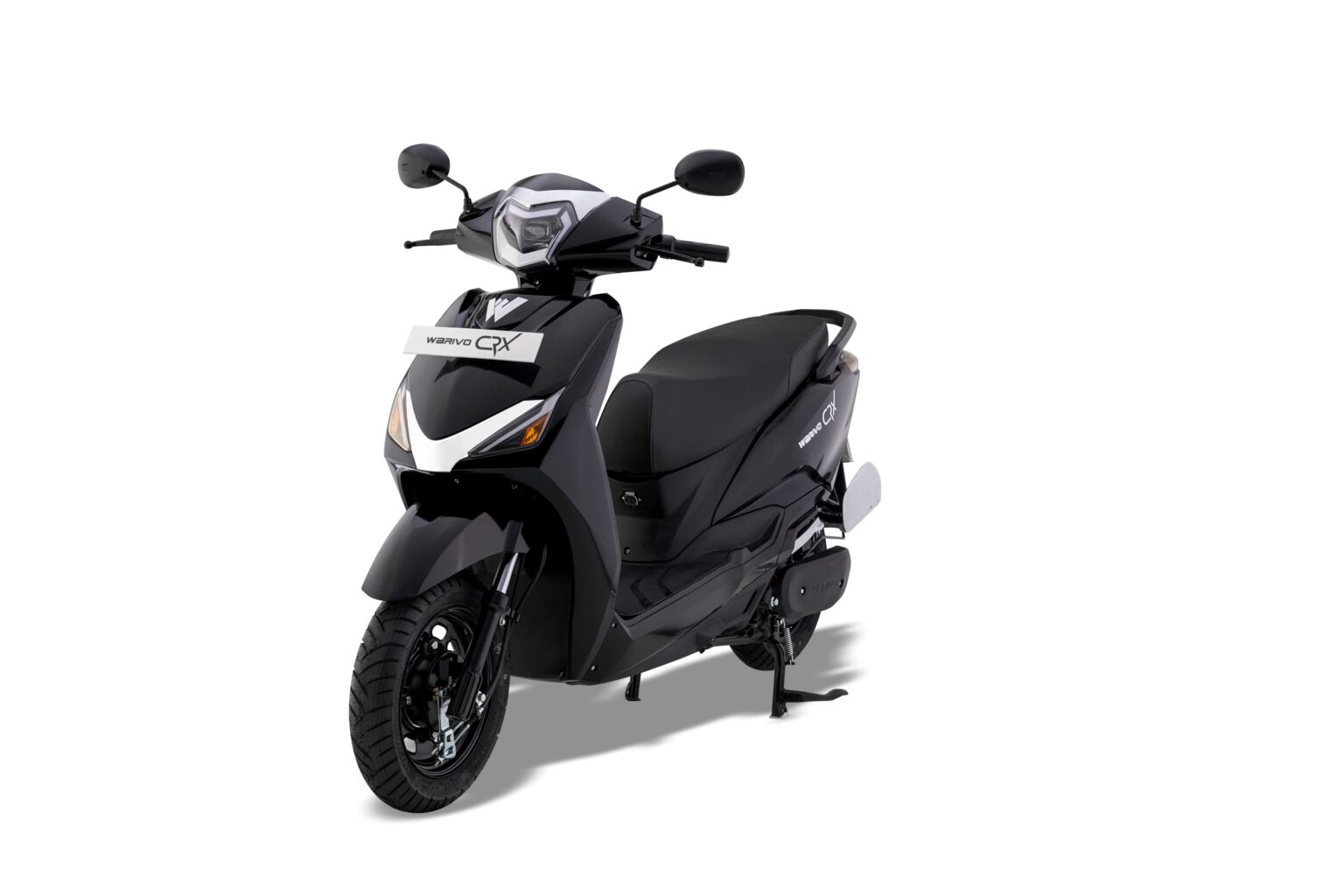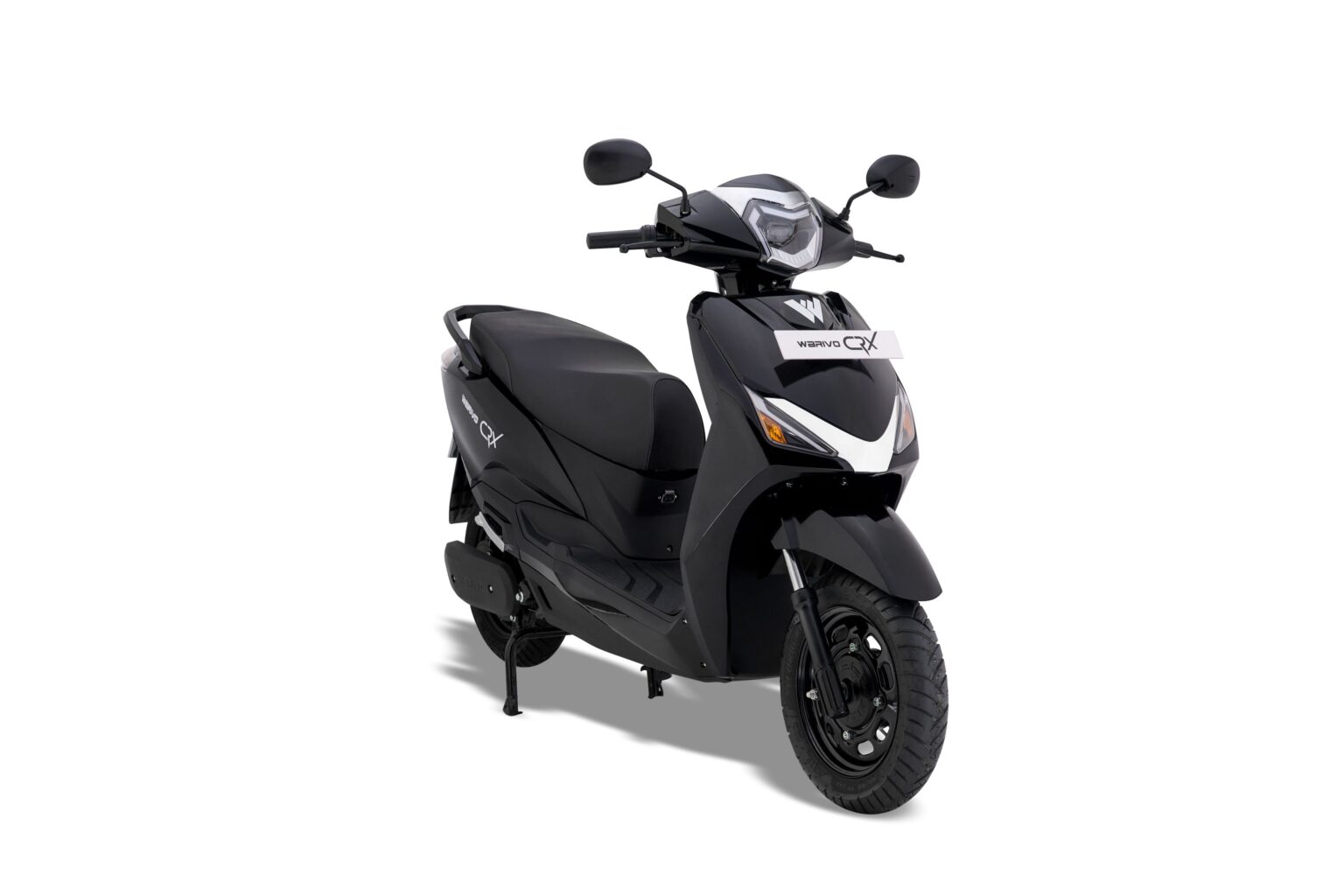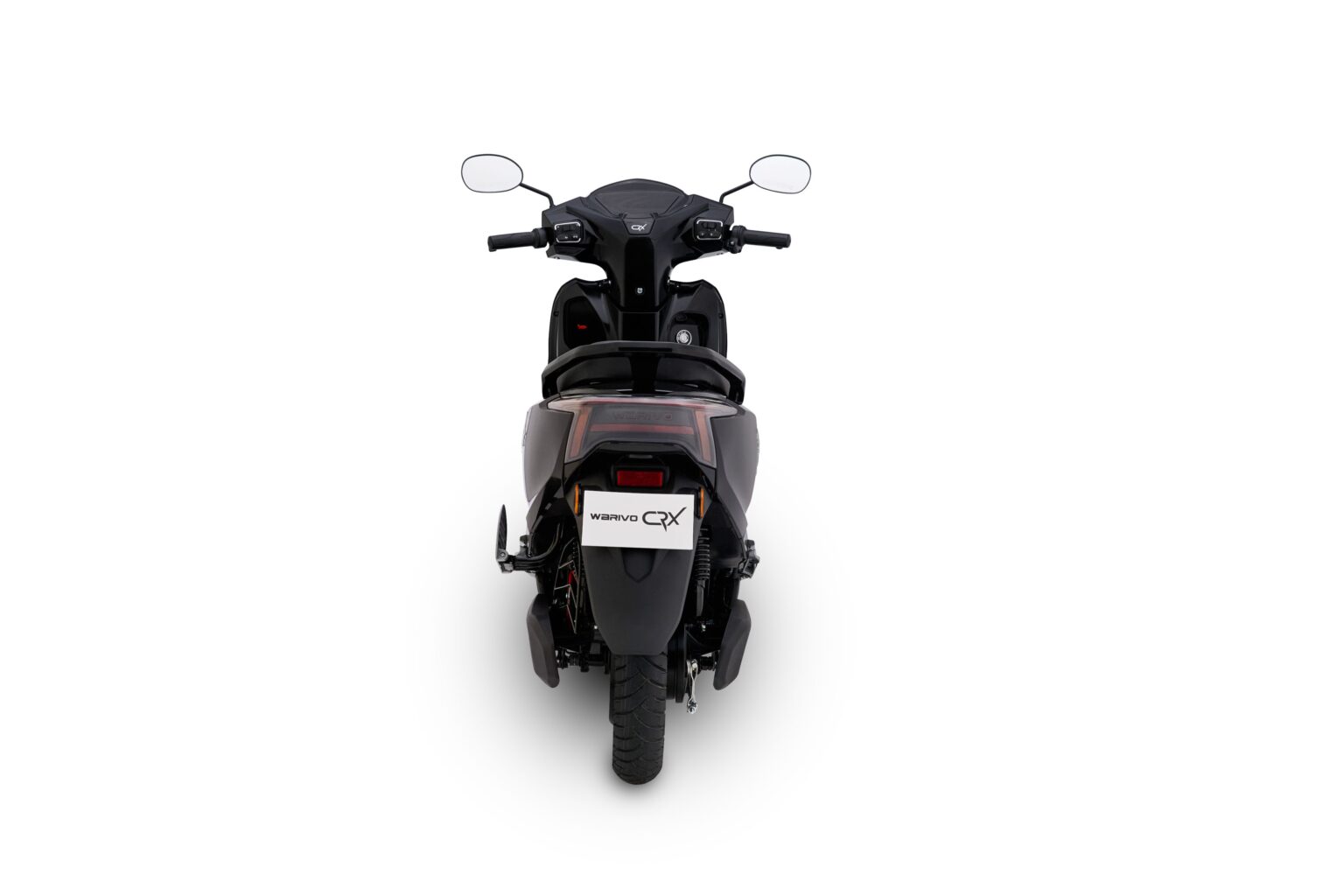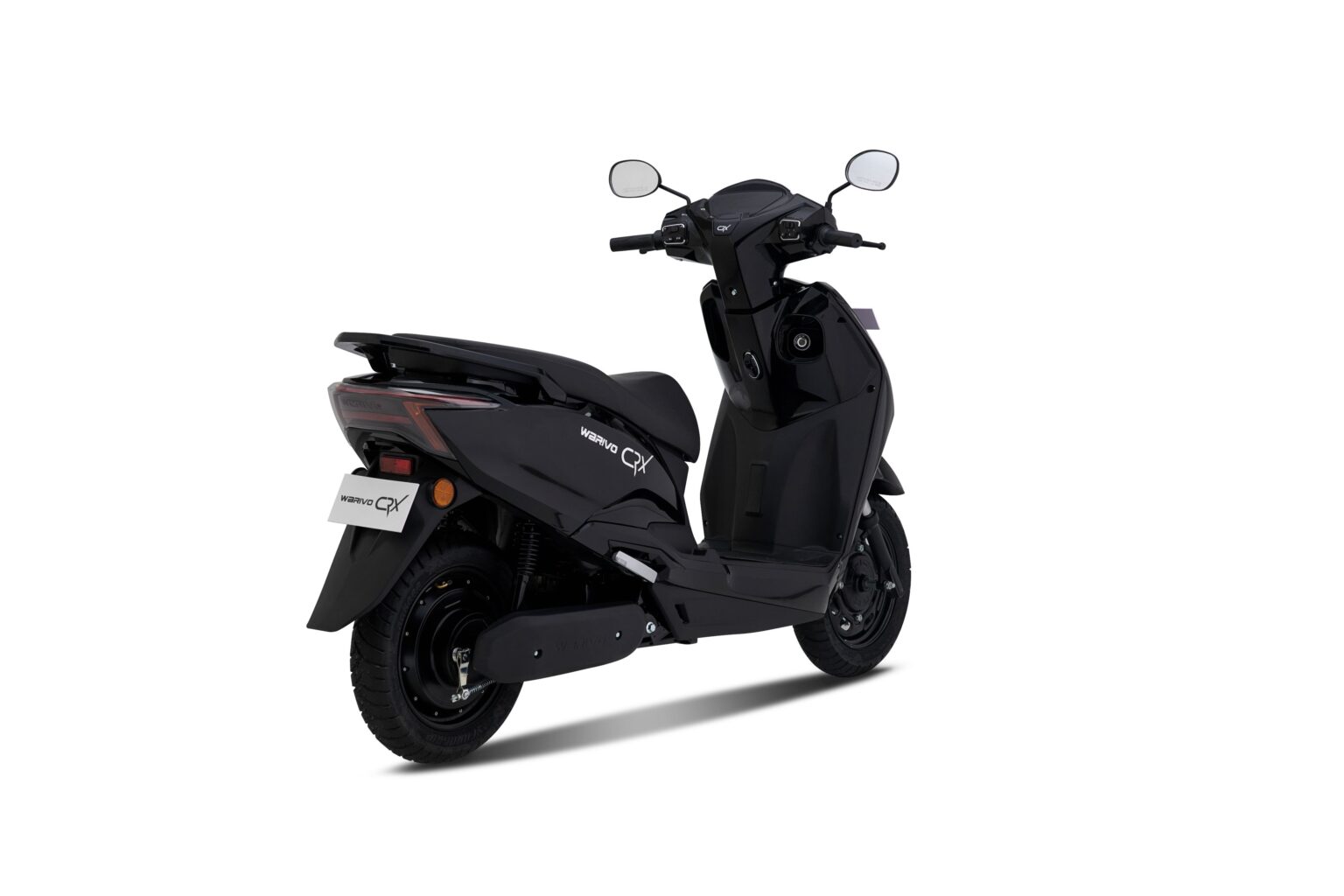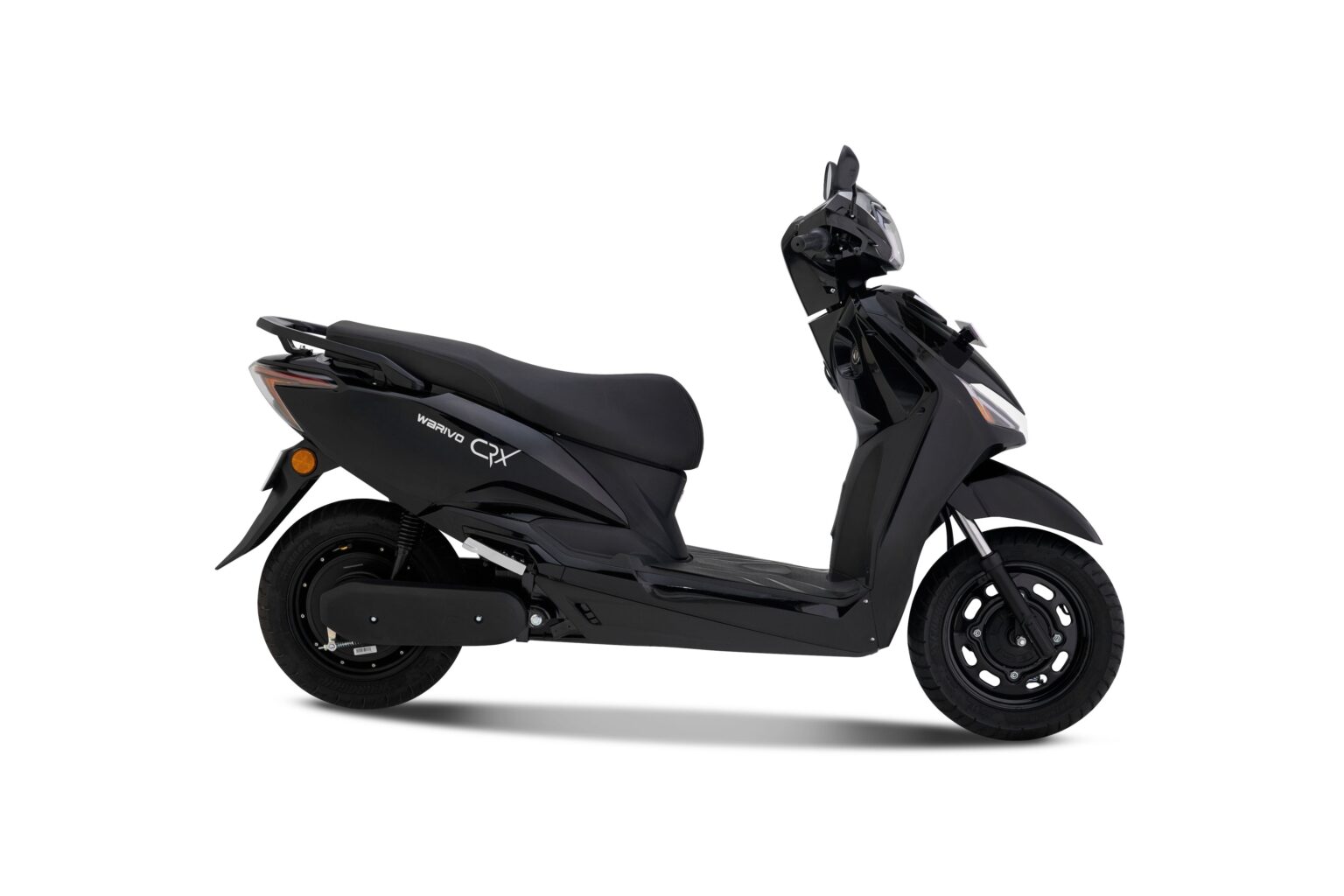
Electric scooters have quickly become one of the most popular ways to commute in cities
around the world. They’re compact, environmentally friendly, affordable, and often faster than
cars in traffic-heavy urban areas. Whether you’re riding a personal e-scooter or using a shared
rental service, it’s easy to appreciate the convenience and thrill they offer. But as their popularity
grows, so does the importance of safety.
Many new riders underestimate how much protection they need, especially when using scooters
capable of speeds between 20 and 40 mph. While the ride may feel casual, the risks are very
real. Falls, collisions, and uneven terrain can result in injuries ranging from mild scrapes to
severe head trauma. The good news? Most injuries can be prevented or minimized with the
right safety gear.
This comprehensive guide covers the essential safety gear every EV scooter rider should
own, why each item matters, and how to choose gear that fits your riding style. Whether you’re
a beginner or a seasoned commuter, this is your checklist for a safer ride.
1. The Helmet: Your First and Most Crucial Line of
Defense
If you buy only one piece of safety gear, let it be a helmet. Studies consistently show that
helmets reduce the risk of head injury by more than 60%. Yet many riders skip them, often
because they believe they’re “just going a short distance.”
Why a helmet is non-negotiable
● Falls often happen unexpectedly: potholes, gravel, sudden braking, or a car door
opening in front of you can send you over the handlebars.
● Even low-speed impacts can cause brain injuries.
● Road surfaces are unforgiving—unlike bicycles, scooters have smaller wheels that make
you more vulnerable to losing balance.
Types of helmets for EV scooter riders
1. Bicycle Helmet – Lightweight and breathable; ideal for short commutes under 20 mph.
2. Skate/Urban Helmet – Offers better coverage on the back and sides of the head;
popular for city riders.
3. Full-Face Helmet – Recommended for high-speed scooters; protects jaw, chin, and
teeth.
4. Smart Helmets – Some feature integrated lights, turn signals, Bluetooth, and
crash-detection technology.
Features to look for
● Certified safety rating (CPSC, EN1078, ASTM)
● Snug but comfortable fit
● Good ventilation
● Hard outer shell and impact-absorbing lining
● Optional: built-in lighting for nighttime visibility
2. Gloves: Better Grip, Better Control, Better Protection
Your hands are often the first things to hit the ground in a fall. Gloves can prevent painful
abrasions and help you maintain control of the handlebars, especially when riding at higher
speeds or in wet conditions.
Benefits of wearing gloves
● Improves grip and stability
● Prevents blisters on long rides
● Protects palms and knuckles
● Reduces vibration from rough terrain
Types of gloves to consider
● Cycling gloves – Lightweight, padded, great for daily commuting.
● Motorcycle gloves – More durable with knuckle protection; ideal for fast scooters.
● Fingerless gloves – Good airflow for summer but less protective.
If you ride daily, gloves are a small investment that pays off every time you grip the handlebars.
3. Knee and Elbow Pads: Protection for High-Impact
Zones
One of the most common injuries among e-scooter riders involves knees and elbows. These
joints are vulnerable during falls because they tend to take the brunt of impact when riders
instinctively try to break their fall.
Why they’re important
● Prevent fractures, cuts, and bruises
● Provide cushioning on concrete and asphalt
● Especially helpful for beginners or fast riders
Types of pads
● Soft pads – Flexible and comfortable, suitable for low-speed commutes.
● Hard-shell pads – More rigid and protective, ideal for high-speed or off-road scooter
riding.
● Integrated armored clothing – Some jackets and pants include built-in pads.
If you ride in heavy traffic or unpredictable environments, knee and elbow pads are a smart
addition to your gear set.
4. High-Visibility Clothing: Be Seen Before You’re Hurt
It’s no exaggeration to say that visibility can save your life. Many accidents involving scooters
happen because drivers failed to see the rider, especially at night or in low-light conditions.
Visibility essentials
● Reflective vests or jackets
● Bright-colored clothing
● LED armbands or leg bands
● Reflective helmet decals
● Light-up backpacks or accessories
Why visibility matters
● Car drivers typically look for other cars, not small standing riders.
● Dark clothing blends into the evening and early-morning environment.
● Reflective elements catch headlights and instantly signal your presence.
If you frequently ride after sunset, high-visibility gear should be at the top of your list.
5. Eye Protection: Because Your Eyes Lead Your Ride
Scooter riding exposes your eyes to wind, dust, insects, and debris. Clear vision is critical for
safe navigation, especially at speeds above 15 mph.
Types of eye protection
● Clear or tinted riding glasses
● Shatterproof goggles
● Full-face helmets with visors
Reasons to wear eye protection
● Prevent irritated or watery eyes that impair vision
● Protect against flying insects or small stones kicked up by vehicles
● Reduce wind resistance at higher speeds
● Enhance comfort during long rides
If you’ve ever taken a bug to the eye at 25 mph, you know why this matters.
6. Riding Jacket and Pants: Not Just for Motorcyclists
While not always considered essential for casual riders, protective clothing becomes
increasingly important as scooters get faster. A good riding jacket or padded pants can
significantly reduce the severity of injuries in a fall.
What to look for
● Breathable materials for comfort
● Reinforced or padded elbows, shoulders, and back
● Reflective strips for visibility
● Abrasion-resistant fabrics (Kevlar, Cordura, or heavy polyester)
Some riders prefer armored hoodies, which blend everyday style with hidden protective
padding.
7. Protective Footwear: Protect the Base That Balances
You
Many riders make the mistake of riding in sandals or soft shoes. Foot and ankle injuries are
common because scooters require constant balance and foot control.
Ideal footwear
● Closed-toe shoes with non-slip soles
● Ankle support (e.g., high-top sneakers, riding boots)
● Reinforced toe and heel areas
Avoid
● Flip-flops
● Dress shoes
● Soft loafers or slippers
If you need to suddenly step off the scooter or plant your foot to stabilize yourself, proper shoes
make all the difference.
8. Lights and Reflectors: See and Be Seen
Even if your scooter already comes with built-in lights, they may not be bright enough for safe
nighttime riding. Many stock lights are designed for basic visibility—not for illuminating the road
ahead.
Essential lighting gear
● High-lumen front headlight (200–600 lumens recommended)
● Rear LED light (flashing modes help attract attention)
● Side reflectors (stick-on or integrated into clothing)
● Helmet-mounted lights (help drivers notice head movement)
Why additional lighting matters
● Lights increase your reaction time by illuminating hazards
● Drivers can spot you earlier from longer distances
● Lighting improves visibility around corners or blind spots
Never ride at night with insufficient lighting—it’s one of the biggest contributors to urban scooter
accidents.
9. Phone Mount and Safety Apps: Stay Connected, Not
Distracted
Navigation is essential for many riders, but using your phone while riding is extremely
dangerous. A phone mount keeps your screen visible without requiring your hands.
Benefits of using a mount
● Hands-free navigation
● Ability to monitor speed or battery level
● Reduces temptation to handle your phone while moving
Safety apps to consider
● Route planning apps with safe bike/scooter paths
● SOS or crash-detection apps
● GPS tracking for theft protection
● Weather apps to avoid rain or high winds
A mount isn’t physical protection, but it helps you ride responsibly.
10. First Aid Kit: Small Addition, Big Help
Every rider should consider carrying a compact first aid kit. It doesn’t need to be large—just
enough to handle minor injuries.
What to include
● Antiseptic wipes
● Bandages and gauze
● Adhesive tape
● Tweezers
● Alcohol pads
● Pain relievers
It’s a simple addition to your backpack or scooter storage bag that can make a stressful incident
easier to manage.
Final Thoughts: Gear Up to Ride Smart
EV scooters bring convenience, fun, and freedom to your daily commute. But safety can’t be
optional—especially in crowded urban environments where riders are surrounded by cars,
pedestrians, and unpredictable road conditions.
The right safety gear doesn’t just protect you in an accident—it helps prevent accidents
altogether by improving visibility, control, and comfort. Whether you’re a casual weekend rider or
a daily commuter, investing in proper gear is one of the smartest decisions you can make.
Ride smart. Ride safe. Gear up every time.